
Wird geladen...
Wird geladen...
Lining and maintenance of sintering furnaces, HIP plants (hot isostatic pressing) and heat treatment furnaces for the additive manufacturing of metallic components. Enables densification, stress-relief annealing and microstructure optimisation of 3D-printed parts.
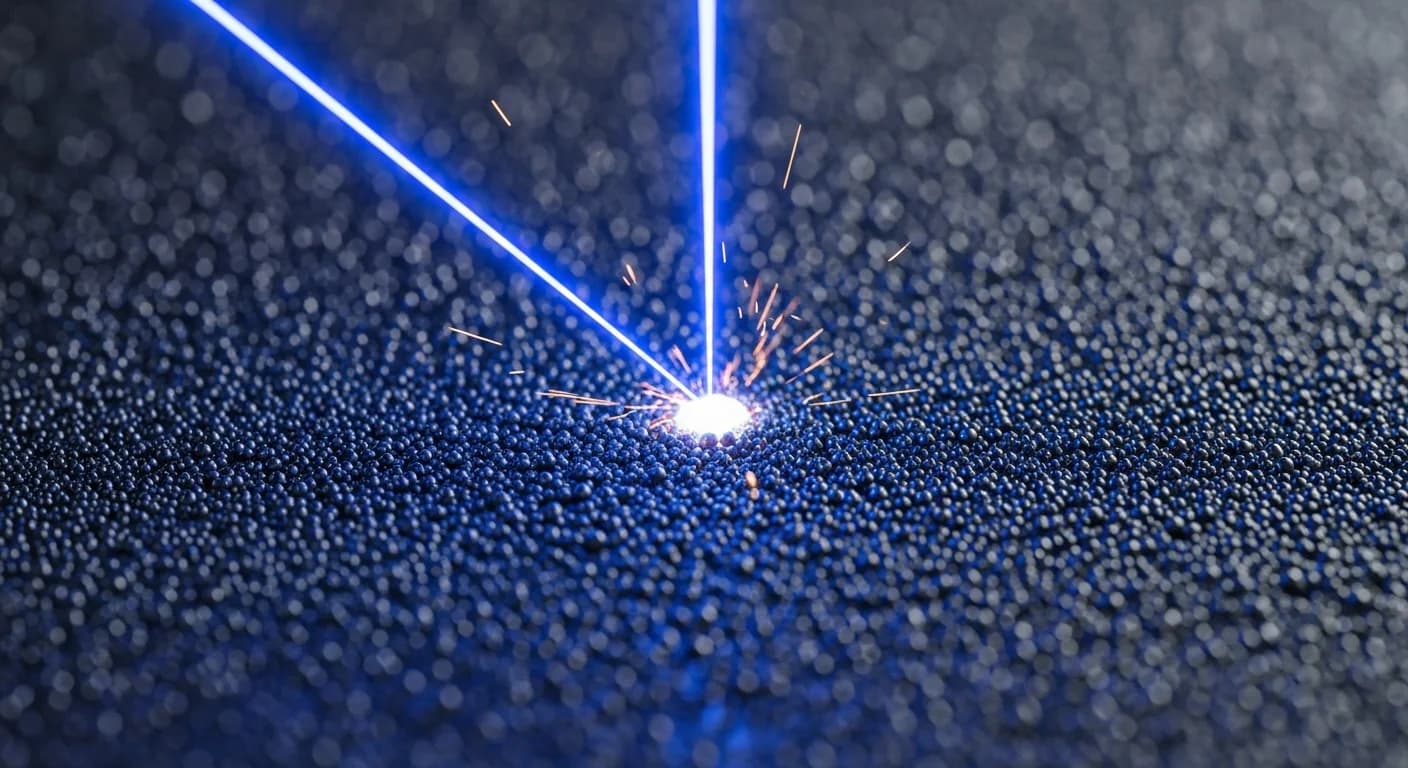
Additive manufacturing (metal 3D printing)
Additively manufactured metal components only achieve their final material properties through thermal post-processing. Sintering, hot isostatic pressing and heat treatment are process-critical steps that require precisely controlled furnace atmospheres and temperature profiles.
SBS Refractory Service supplies the refractory infrastructure for these thermal processes: furnace linings that reliably withstand temperatures of up to 1,400 °C under vacuum or inert gas while meeting the highest purity requirements.
Additive manufacturing opens up new possibilities for the defence industry: complex geometries, spare parts on demand and decentralised production. Furnace technology is the decisive link between the printed blank and the deployable component.
Proven methods and specialised equipment for optimal results.
Refractory lining of vacuum and inert gas sintering furnaces for MIM and binder jetting components. High-purity materials prevent carbon and oxygen contamination during the sintering process.
Maintenance and lining of hot isostatic presses. The refractory lining must permanently withstand both temperatures of up to 1,400 °C and pressures of up to 200 MPa.
Lining of furnaces for stress-relief annealing, solution annealing and ageing of additively manufactured components. Precise temperature control is decisive for the resulting material properties.
Special linings for the thermal debinding of MIM and binder jetting green parts. The lining must withstand binder outgassing and be easy to clean.
Structured, transparent and on schedule — this is how we work.
Matching the refractory design to the material, process and quality requirements.
Analysis of the powder materials (Ti-6Al-4V, Inconel 718, 316L), sintering profiles and atmosphere requirements. Definition of the permissible contamination limits and temperature uniformity.
Selection and testing of the refractory materials for the specific additive manufacturing process.
Testing for outgassing behaviour, purity and compatibility with the process atmosphere. Material certificates and batch traceability.
Installation of the refractory lining and validation of furnace performance.
Professional installation, controlled drying, heat-up curve. Temperature uniformity survey (TUS) in accordance with AMS 2750. Calibration record.
Verification of the process results using sample components.
Sintering/HIP of reference components, testing of density, microstructure and mechanical properties. Correlation with process parameters for optimisation.
Scheduled inspection and periodic requalification of the furnace system.
Regular repeat TUS, inspection of the refractory lining, replacement of wear zones. Documentation in accordance with NADCAP requirements.
Proper separation, recovery and disposal of all resulting materials.
The most widely used titanium alloy in additive manufacturing. Sintering at 1,200–1,350 °C under high vacuum. Requires a contamination-free furnace lining.
Superalloy for operating temperatures of up to 700 °C. Heat treatment (solution annealing + double ageing) is process-critical for the mechanical properties.
Refractory metal heating elements for operation up to 1,700 °C under vacuum. The refractory lining must prevent molybdenum oxidation by means of leak-free vacuum containment.
Non-reactive setter plates for the sintering process. They prevent adhesion and contamination of the components. Reusable after cleaning.
Typical situations in which Additive manufacturing (metal 3D printing) is used.
Building up sintering capacity for additive series production
Heat treatment of complex 3D-printed engine and structural components
HIP densification of additively manufactured titanium and nickel alloys
Decentralised spare parts production using mobile sintering and heat treatment furnaces
Qualification of new powder materials for additive manufacturing
Everything you need to know about Additive manufacturing (metal 3D printing)
Your question not listed?
Request a personal consultationWhether complete relining, repair or emergency — free initial consultation and a fast response.