
Wird geladen...
Wird geladen...
Planning, installation and maintenance of refractory and thermally insulating systems to protect infrastructure and personnel from extreme heat exposure. Covers fire protection, explosion protection and passive thermal barriers.
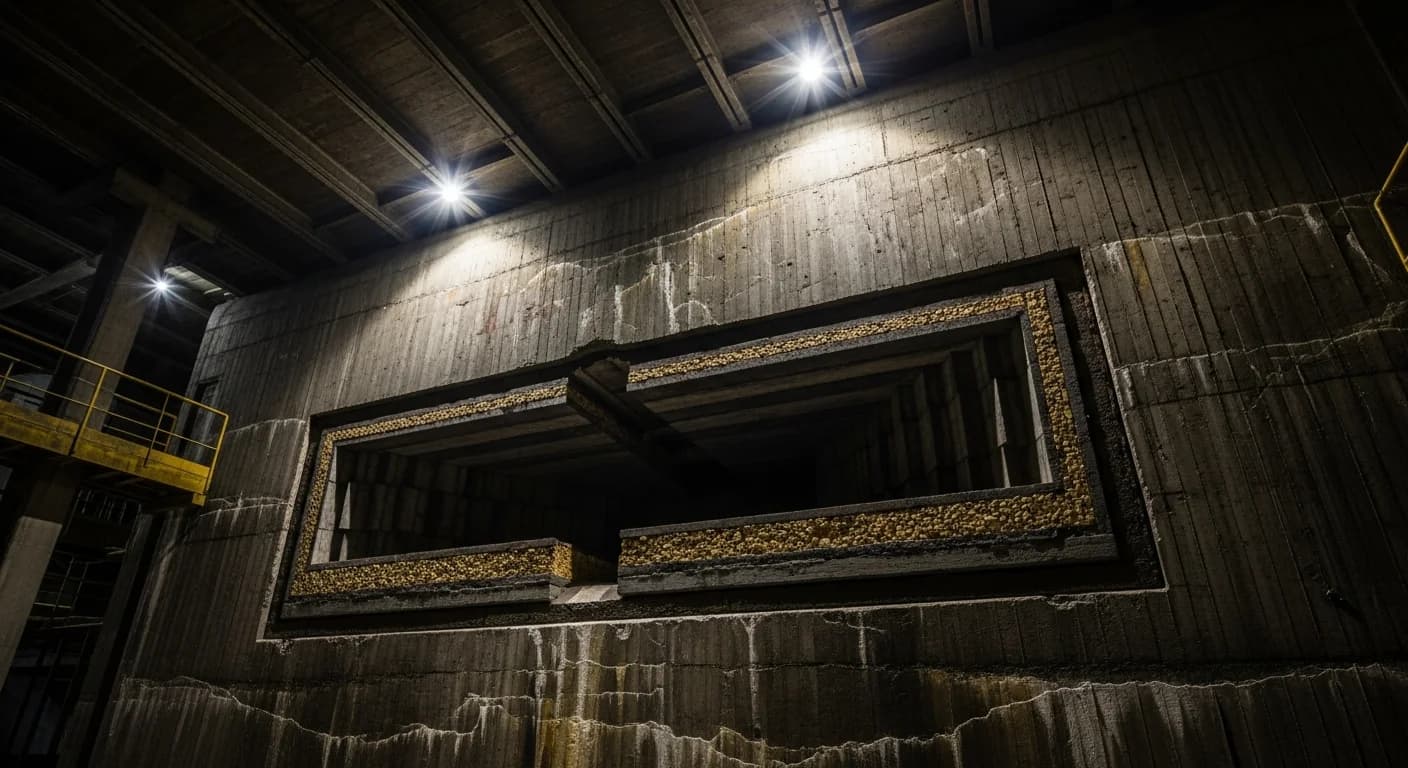
Thermal protection systems
Military infrastructure is exposed to extreme thermal loads: missile launches generate exhaust temperatures in excess of 2,500 °C, ammunition depots must achieve defined resistance periods in the event of fire, and shelters require thermal barriers against blast effects.
SBS Refractory Service transfers its expertise from industrial refractory construction to the requirements of defence infrastructure. Our refractory solutions withstand not only high temperatures but also the mechanical loads caused by blast waves and vibration.
Every project is designed individually for the specific threat situation and the structural conditions on site. From material selection through design to acceptance, we work closely with planning offices and military construction departments.
Proven methods and specialised equipment for optimal results.
Sacrificial layers that absorb thermal energy through controlled decomposition. Used on missile launch pads and test stands. Regenerated by replacing the panels after exposure.
Multi-layer lining systems consisting of refractory bricks, insulating boards and anchoring. They protect concrete structures from thermal decomposition and enable defined fire resistance classes.
Spray application of refractory castables onto existing structures. Rapid application over large areas and complex geometries. Particularly suitable for retrofitting and repair.
Refractory-lined steel closure elements for ammunition depots and shelters. They combine mechanical blast wave resistance with a defined fire resistance.
Structured, transparent and on schedule — this is how we work.
Definition of the thermal and mechanical load cases, determination of the protection objectives.
Analysis of the temperature-time curves, blast wave parameters and exposure durations. Selection of the protection strategy: insulation, ablation or a combination. FEM simulation where required.
Testing and certification of the refractory materials for the specific application.
Laboratory tests: compressive strength at temperature, thermal shock resistance, ablation rate. Documentation of the material characteristics and batch traceability.
Professional installation of the protection systems by trained refractory specialists.
Anchoring in the supporting structure, installation of the refractory layers in the specified sequence, jointing and sealing. Quality control of every layer.
Performance verification of the protection system by inspection and, where applicable, load testing.
Visual inspection, layer thickness measurement, thermography. Where required, fire testing or blast wave testing on sample panels. Acceptance documentation.
Regular condition checks and replacement of protective layers that have been exposed.
Inspection intervals in accordance with the manufacturer's specification and the exposure profile. Documentation of the degree of wear, replacement of ablative panels, repair of damage.
Proper separation, recovery and disposal of all resulting materials.
Composite material that absorbs thermal energy through controlled pyrolytic decomposition. Protects the underlying structure from temperatures of up to 2,500 °C.
Porous refractory bricks with low thermal conductivity (< 0.3 W/mK). They reduce heat transfer and protect load-bearing structures in the event of fire.
Machine-applicable refractory castable with good adhesion to concrete and steel. Rapid application, including on vertical and overhead surfaces.
Stainless steel anchors with defined thermal expansion allowances. They secure the refractory layers even under dynamic loading and thermal cycling.
Typical situations in which Thermal protection systems is used.
Thermal protection of missile launch pads and engine test stands
Fire-resistant lining of ammunition depots and stores
Fire protection lining of shelters and bunkers
Retrofitting of existing infrastructure with thermal protection systems
Heat protection for fuel depots and refuelling facilities
Everything you need to know about Thermal protection systems
Your question not listed?
Request a personal consultationWhether complete relining, repair or emergency — free initial consultation and a fast response.