
Wird geladen...
Wird geladen...
Acid-resistant linings protect vessels, containment bunds and process plants against chemical attack by acids, alkalis and other aggressive media.
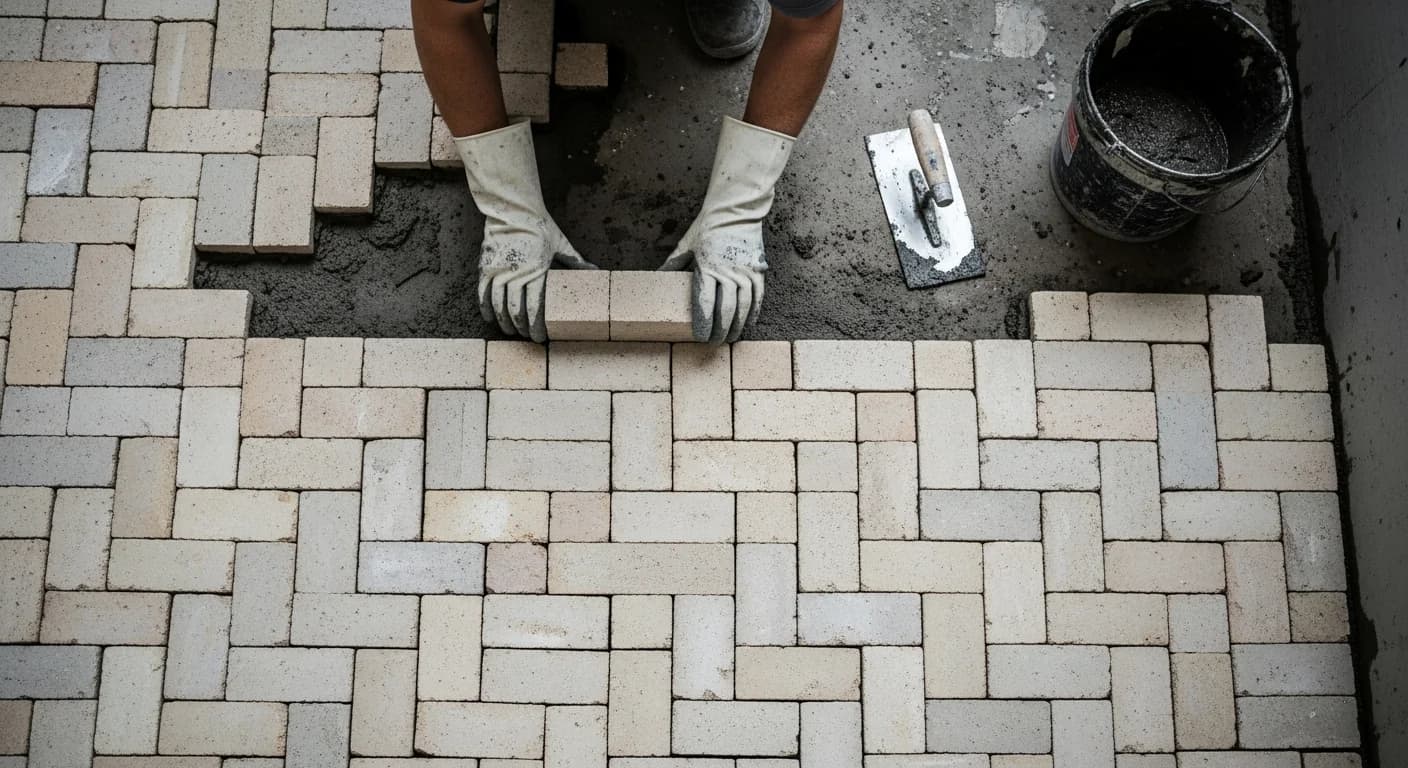
Wherever aggressive chemicals such as sulphuric acid, hydrochloric acid, hydrofluoric acid or alkalis are used, reliable corrosion protection is indispensable. Our acid-resistant linings provide lasting protection for your vessels, containment bunds, channels and process plants against chemical attack – while complying with all relevant environmental and safety regulations.
Material selection is critical for acid-resistant linings: temperature, concentration and the type of medium determine whether acid-resistant bricks, chemically resistant mortars, special coatings or combinations of these are used. Our engineers have access to comprehensive chemical resistance data and advise you on the optimum choice of materials.
From analysing the chemical exposure through professional installation and jointing to the final leak-tightness test, we offer the complete service. Particularly for containment bunds and installations subject to the German Water Resources Act (WHG), we ensure compliance with all statutory requirements and document the work without gaps.
Structured, transparent and on schedule — this is how we work.
Determination of the chemical exposure
We record all chemical media that come into contact with the lining – including concentration, temperature and exposure time. Mixed media and cleaning cycles are also taken into account. This analysis forms the basis for a material selection with guaranteed resistance.
Selection of resistant materials
Based on the media analysis, we select the optimum material combination: acid-resistant bricks, chemically resistant jointing mortars, coatings or plastic linings. We verify resistance using manufacturer data sheets and our own database of experience.
Professional installation and jointing
Installation and jointing are carried out by trained specialists in compliance with the manufacturer's instructions. Particular attention is paid to joint quality, as leaking joints are the most common cause of failure in acid protection linings. All work steps are documented photographically.
Testing and acceptance
On completion, the lining is subjected to a leak-tightness test – depending on the application, by spark testing, water level test or pressure test. The test report forms part of the acceptance documentation and serves as evidence for authorities and insurers.
Our material selection covers the entire pH spectrum – from highly concentrated acids to strong alkalis.
For containment bunds and installations subject to the German Water Resources Act (WHG), we meet all statutory requirements and provide the corresponding evidence.
Every lining is subjected to a leak-tightness test – you receive a test report as evidence.
We advise not only on the lining itself, but also on design measures that improve corrosion protection.
Typical situations in which this service is used.
Pickling lines
Containment bunds
Electroplating tanks
Flue gas scrubbers
Everything you need to know about Acid-Resistant Linings
Your question not listed?
Request personal adviceWhether complete relining, repair or emergency — free initial consultation and a fast response.