Wird geladen...
Wird geladen...
ESG reports and carbon footprints matter. But real sustainability arises where the energy is consumed: in industry's furnaces and thermal processes.
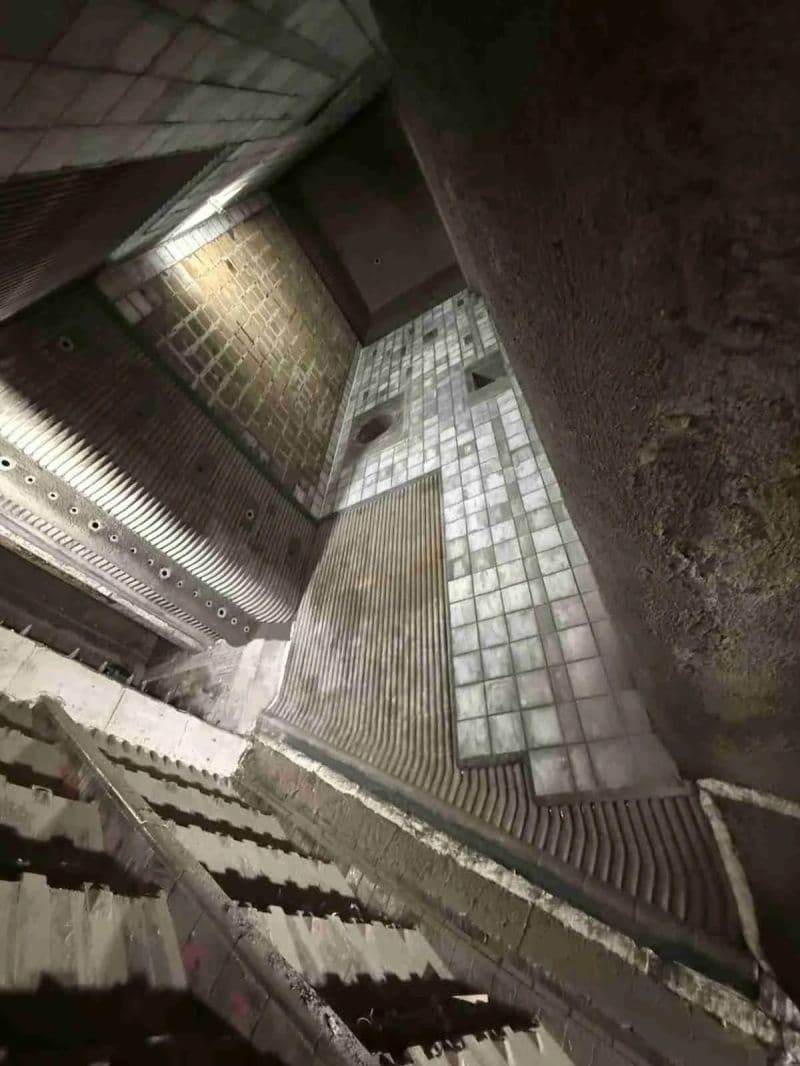
The sustainability debate in industry is increasingly driven by regulatory requirements. CSRD, the EU taxonomy, the carbon border adjustment mechanism: reporting obligations are growing, and with them the effort required for documentation and compliance. That is necessary and right. But there is a danger that looking at the reports obscures the view of the actual levers. The greatest sustainability effects in industry do not arise in the sustainability report, but at the thermal units — in other words, where the energy is actually consumed.
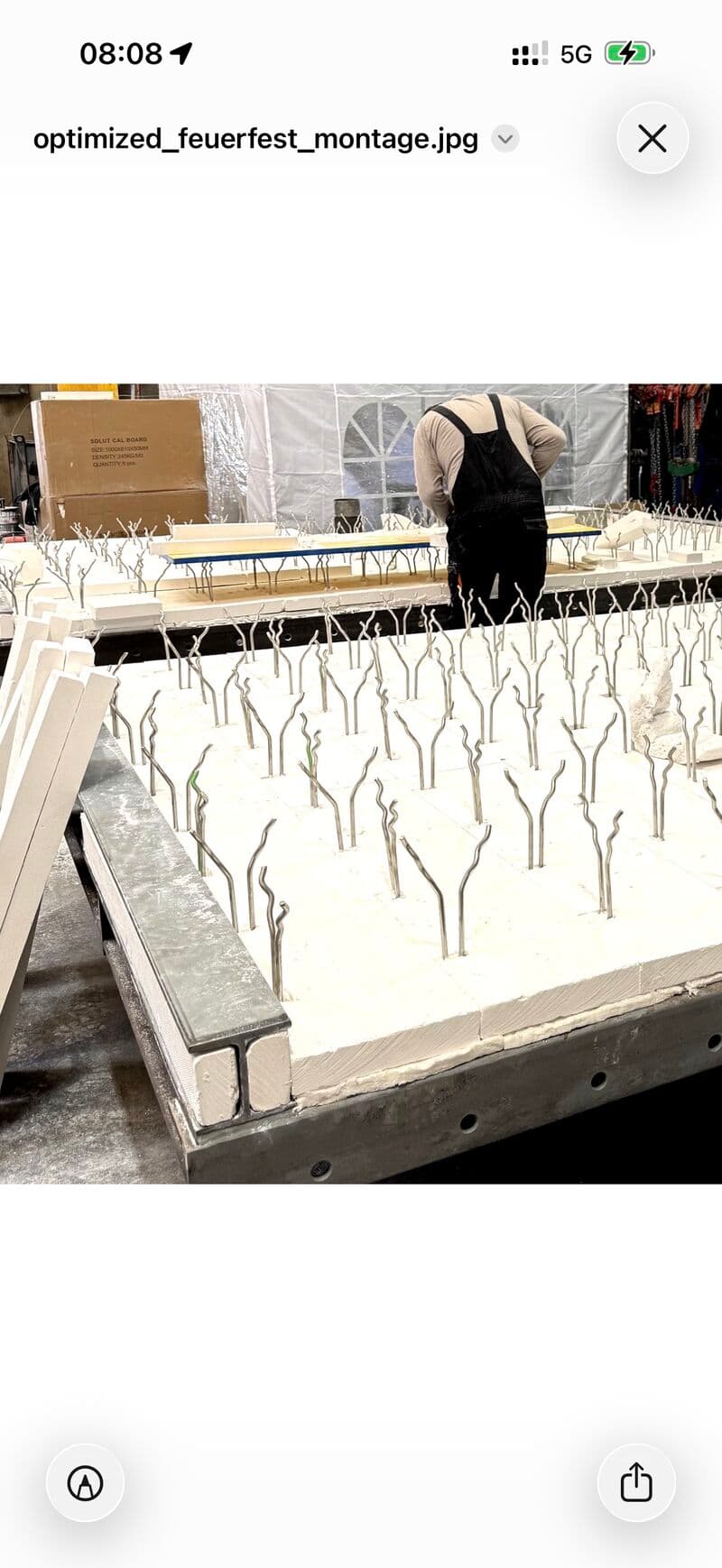
An industrial furnace is not a static component but a dynamic system whose efficiency changes over its operating life. A new, optimally designed refractory lining works at maximum efficiency: heat losses are minimal, the temperature distribution is even, the specific energy consumption is low. As wear progresses, these figures deteriorate. The lining becomes thinner, thermal conductivity rises, heat losses increase. Without countermeasures, energy consumption creeps up, often by 15 to 25 per cent over the length of the campaign. In many plants these losses are accepted, because they do not make themselves felt as a single event but develop gradually.
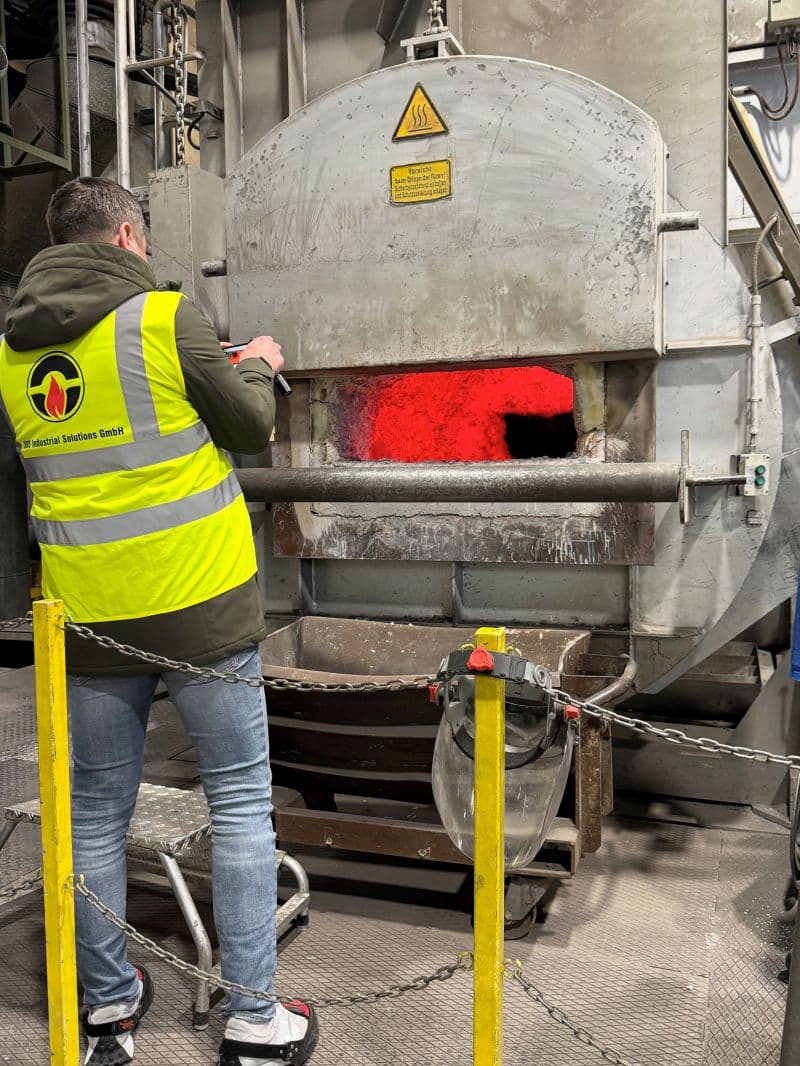
On a medium-sized aluminium melting furnace, energy consumption raised by 15 per cent through a worn refractory lining means additional costs of 50,000 to 100,000 euros a year. On top of that come the corresponding CO2 emissions, which under the EU ETS translate directly into higher allowance costs.
As CO2 prices in the European emissions trading system rise, the business case for refractory investment changes fundamentally. What used to be regarded as pure maintenance cost becomes, once CO2 costs are included, a strategic investment in competitiveness. An optimally designed refractory system not only saves energy costs, it also directly reduces CO2 emissions and therefore allowance costs. At a CO2 price of 80 to 100 euros per tonne, as is increasingly becoming established, payback periods for high-quality refractory solutions move forward considerably.
Sustainability in industry is not an abstract concept but concrete engineering work. At SBS Refractory Service we see ourselves as a partner for the operational side of sustainability. We help our customers to make their thermal processes more efficient, to reduce energy consumption and to maximise service lives. That is refractory technology's contribution to sustainability: not in reports, but in the furnace.
Whether complete relining, repair or emergency — free initial consultation and a fast response.