
Wird geladen...
Wird geladen...
Professional breaking down, disassembly and disposal of industrial machinery, conveyor systems, pipework systems and steel structures. Including hazardous substance removal, heavy-load logistics and recovery.
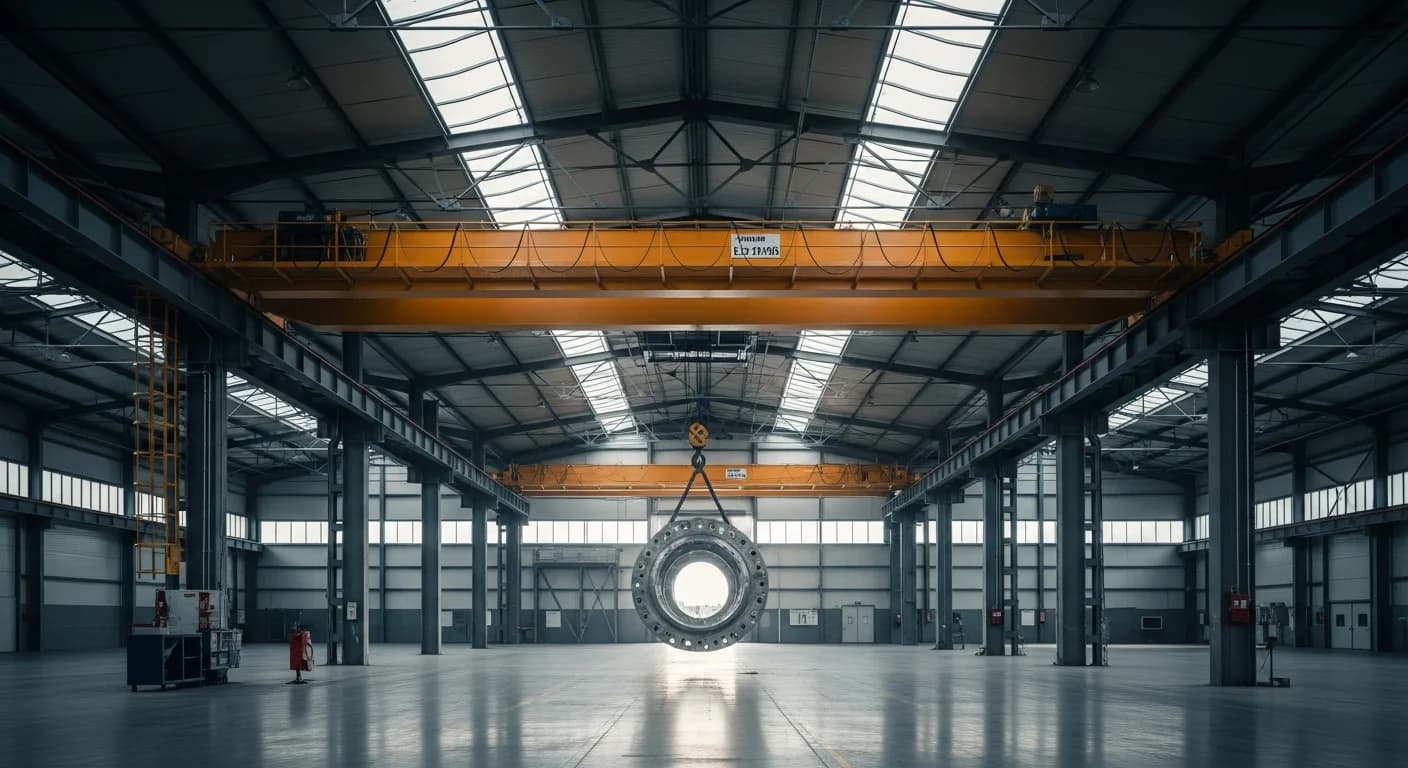
Plant & machinery disassembly
Industrial production plants consist of machines weighing many tonnes, branched pipework systems, electrical installations and load-bearing steel structures. Dismantling them requires engineered planning, heavy-lifting technology and a precise understanding of the disassembly sequence.
SBS plans every dismantling project backwards from the desired end situation: which area is to be cleared, which media supplies disconnected, which foundations removed? This determines the optimum disassembly sequence — taking account of the load-bearing structure, crane capacities and removal routes.
Particular attention is paid to the preliminary hazardous substance survey: waste oil in hydraulic systems, PCBs in capacitors, MMMF (man-made mineral fibres) insulation on pipework or lead-based paints on steel structures are identified and professionally removed before mechanical disassembly.
Proven methods and specialised equipment for optimal results.
Mobile cranes with a lifting capacity of up to 250 t for lifting large-format machine components and steel structures. Lift planning with load chart and ground pressure calculation.
Oxy-fuel flame cutting to break down massive steel structures on site. Plasma cutting for stainless steel and non-ferrous metals. Fire watch and hot work permit mandatory.
Whatever can be unbolted is unbolted: disassembly in reverse order of assembly. Preservation of reusable components and modules. Use of hydraulic presses and pullers.
SPMT transporters, low-loaders and heavy-duty forklifts for in-plant transport and loading. Transport permits and escort vehicles for over-width loads.
Structured, transparent and on schedule — this is how we work.
Documentation of the existing condition, determination of machine weights, checking of foundation anchorages, mapping of media connections.
Photographic documentation, 3D surveying on complex plants. Identification of components containing hazardous substances (capacitors, insulation, operating fluids).
Preparation of the disassembly sequence, crane positioning plan, media isolation concept, health and safety plan (SiGe plan).
Where hazardous substances are suspected: sampling and laboratory analysis. Coordination with the client, the authorities and, where applicable, neighbouring businesses.
Removal of materials containing hazardous substances before mechanical disassembly: extraction of operating fluids, removal of MMMF insulation, removal of PCB capacitors.
Disposal as hazardous waste using the consignment note procedure. Clearance measurement of the areas that have been cleared of hazardous substances.
Breaking the plant down into transportable units. Sequence from the top downwards and from the outside inwards.
Grade-pure separation: steel, stainless steel, copper, aluminium, cables. Weighing records as proof of recovery.
Removal of foundations where contracted, fine cleaning, handover report with photographic documentation.
Soil samples where contamination by operating materials is suspected. Area handed over swept clean or development-ready, as agreed.
Proper separation, recovery and disposal of all resulting materials.
Machine bodies, frames, steel structures, pipework made of structural steel. The largest fraction by quantity in plant disassembly.
Copper pipework, aluminium cladding, brass fittings. High material value — grade-pure separation is economically worthwhile.
Power and control cables, data and bus cables. Separate collection, recovery by specialist cable recyclers.
Hydraulic oil, gear oil, cooling lubricants. Extraction before disassembly is strictly required.
Typical situations in which Plant & machinery disassembly is used.
Decommissioning of individual production lines
Modernisation and replacement of existing plant
Plant relocation with disassembly on site
Clearance of production areas following insolvency
Conversion or change of use of existing hall areas
Removal of old pipework systems and service ducts
Everything you need to know about Plant & machinery disassembly
Your question not listed?
Request a personal consultationWhether complete relining, repair or emergency — free initial consultation and a fast response.