Wird geladen...
Wird geladen...
The quality of the refractory lining determines energy consumption, melt losses and furnace availability. Why the refractory system is the most important lever for economical furnace operation.
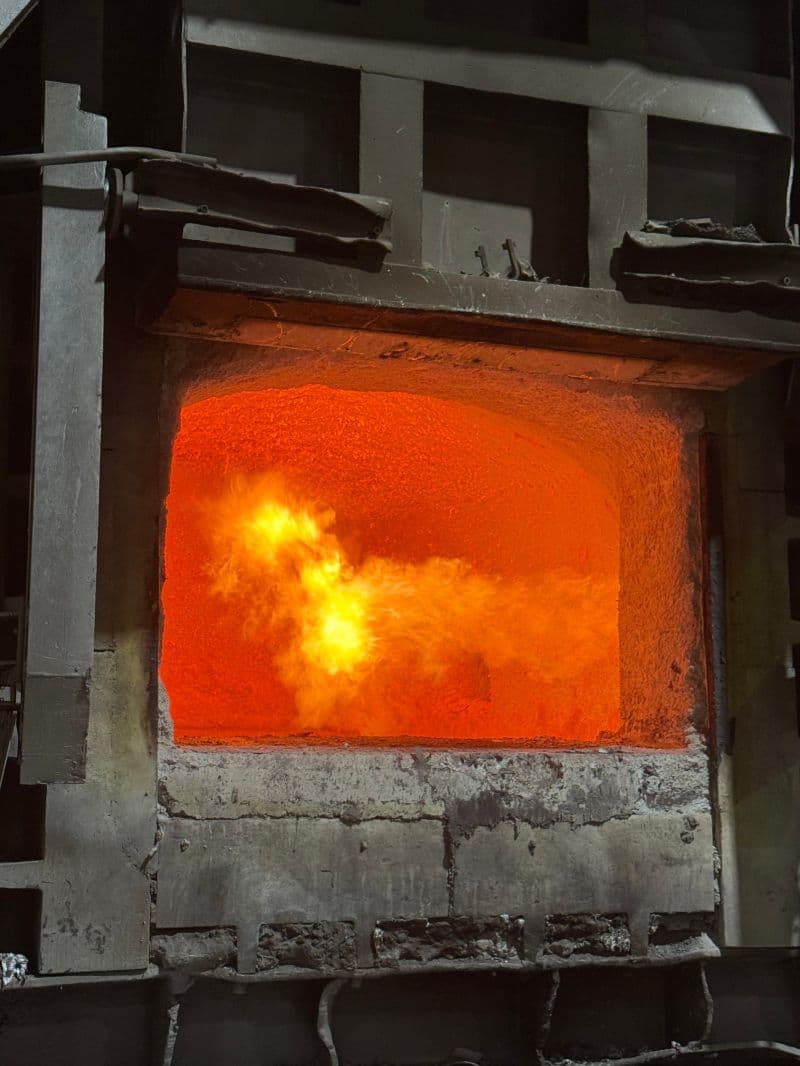
In the aluminium industry, the refractory lining is often regarded as a pure consumable: it protects the steel shell, keeps the heat in the furnace and is replaced when it is used up. This view falls far short. The refractory system is the central factor determining energy efficiency, metal yield and product quality. A poorly designed or worn refractory system costs an aluminium plant considerably more than the lining investment alone, namely through increased energy consumption, higher melt losses and reduced furnace availability.
The thermal insulation of the furnace is largely determined by the build-up of the refractory lining. An optimum system consists of several layers: a hot-face working layer that withstands contact with the aluminium melt, one or more insulating layers that limit the flow of heat outwards, and a safety layer to protect the steel shell. The thickness and material selection of each individual layer influences the overall heat transfer. An insulating layer a few centimetres thinner, or a material with higher thermal conductivity, can increase energy consumption by 10 to 15 per cent. Over a furnace campaign of several years, that adds up to considerable sums.
A typical aluminium melting furnace loses 30 to 40 per cent of the energy it uses through the furnace wall, the hearth and the roof. Optimising the refractory system can reduce this share considerably. In most cases, the investment in high-quality insulation pays for itself within 12 to 18 months.
An underestimated cost factor is the interaction between the aluminium melt and the refractory material. Aluminium is an extremely reactive metal that enters into chemical reactions on contact with unsuitable refractory materials. In the process, metallic aluminium is converted into aluminium oxide and lost as what is known as dross. With a poorly designed refractory system, or where wear is advanced, melt losses can rise to 3 to 5 per cent and more. In a furnace that processes several thousand tonnes of aluminium a year, even small percentages mean considerable financial losses.
Optimising a refractory system calls for a holistic view. Material, design, installation, drying and operating practice all have to be matched to one another. The best material is of no use if it is installed incorrectly or heated up too quickly. The highest-quality design fails if the operating parameters lie permanently outside the design limits. At SBS Refractory Service we regard the refractory system as a whole. From material selection through design and installation to support during operation, we offer an end-to-end range of services that takes account of all the factors influencing service life and cost-effectiveness.
Whether complete relining, repair or emergency — free initial consultation and a fast response.