Wird geladen...
Wird geladen...
Biomass ashes and slags attack refractory materials chemically and mechanically. How the composition of the fuel determines the service life of the lining, and which protective measures work.
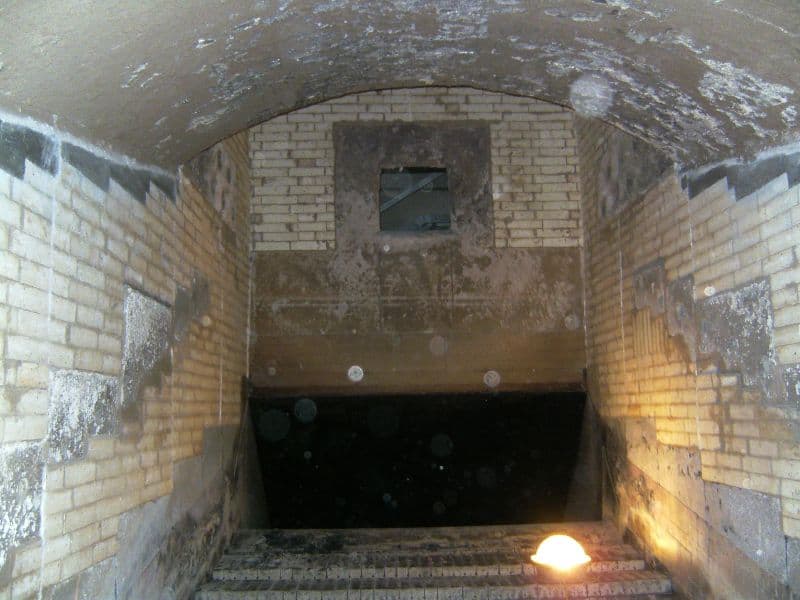
Biomass ash differs fundamentally from coal ash. Whereas coal ashes consist predominantly of relatively inert silicon and aluminium oxides, biomass ashes contain high concentrations of alkalis, especially potassium and sodium, as well as chlorine, sulphur and phosphorus. At combustion temperatures these elements form low-melting compounds that attack the refractory lining as a liquid phase. The chemical attack takes place through infiltration of the melt phase into the pore structure of the refractory material, where it reacts with the matrix constituents and destroys the structure.
The ash softening point of the fuel is a decisive parameter for designing the refractory lining. If it lies below 1,000 degrees Celsius, the risk of slagging rises dramatically. With waste wood containing contaminants, the ash softening point can fall below 800 degrees Celsius.
The most effective protection begins with the choice of fuel and the way combustion is managed. Fuel quality that is as constant as possible, with a known and controlled ash content, reduces the peak loads on the lining. The combustion temperature should be controlled so that it lies below the ash softening point wherever possible, although in practice this cannot always be achieved. On the material side, dense refractory materials with low porosity offer the best protection against infiltration. Materials with a low alumina content and a high silicon carbide content show good resistance to alkali corrosion. In particularly critical areas, special washes or ceramic coatings can form an additional barrier against slag attack.
Besides the right choice of material, operational measures are indispensable. Removing slag deposits regularly, before they develop into massive build-ups, extends service life considerably. Thermographic inspections allow the early detection of hotspots that point to advanced infiltration. And systematic documentation of the wear rates in different zones provides the data basis for continuously optimising the materials concept. At SBS Refractory Service we combine the experience of hundreds of combustion chamber projects with a deep understanding of the underlying materials technology. In this way we develop an individual strategy for each plant against its specific ash loads.
Whether complete relining, repair or emergency — free initial consultation and a fast response.