Wird geladen...
Wird geladen...
Not every area of a combustion chamber lining carries the same load. Whoever knows the critical zones and designs them specifically extends service life and cuts maintenance costs considerably.

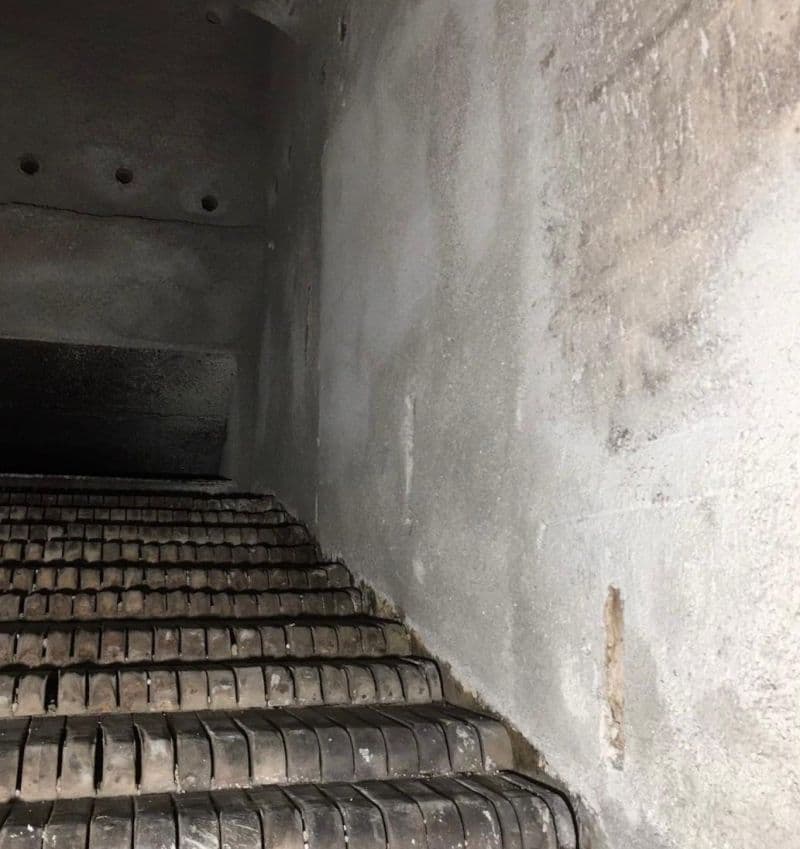
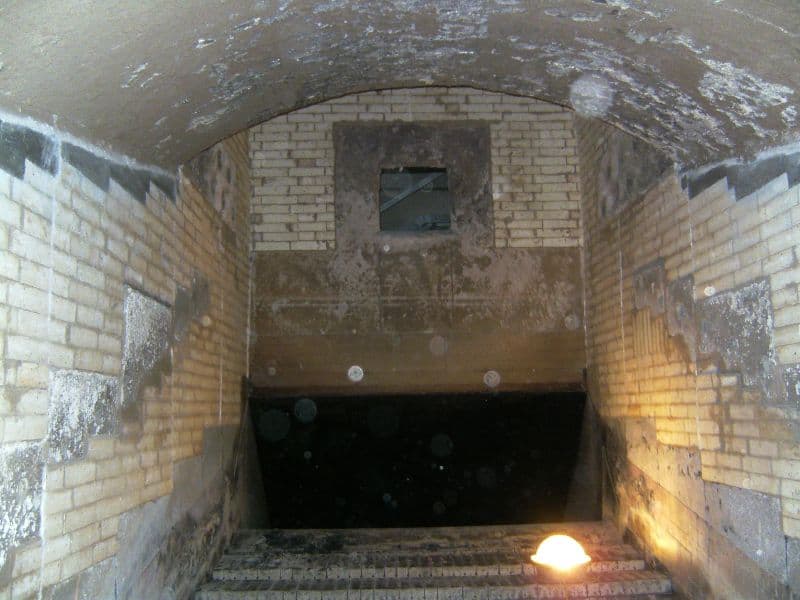
A combustion chamber is not a homogeneous system. Completely different combinations of loads act in different areas: temperature, chemical attack, erosion, thermal cycling and mechanical loading vary greatly depending on the position and function of each lining area. Whoever lines the whole combustion chamber with a single material either wastes money in uncritical areas or risks premature failure in the high-load zones. Deliberate zoning — assigning the optimum material to each load zone — is the key to an economical and long-lasting lining.
Experience shows that over 70 per cent of all refractory-related shutdowns occur in less than 20 per cent of the lining area. Identifying these critical areas and reinforcing them specifically is the most effective lever for increasing plant availability.
Correctly designing a critical zone involves more than choosing the right material. The wall thickness has to be dimensioned generously enough to ensure both the wear allowance over the planned campaign length and the required thermal insulation. The anchoring has to absorb the thermal expansion of the material without causing stress cracks. And the structural connection to the adjacent areas has to compensate for relative movement between different material zones.
In practice, the design often has to balance material costs against service life. High-grade special materials increase the investment cost per square metre, but can double or triple the service life in critical areas. The commercial assessment has to take the full life cycle costs into account: material costs, installation costs, downtime and lost production. In the vast majority of cases, the higher-grade material in the critical zones is the commercially better choice.
Even with optimum design, critical zones are subject to natural wear. What matters is monitoring this wear and initiating countermeasures in good time. Regular inspections, temperature monitoring on the outer furnace wall and systematic documentation of wear patterns make it possible to plan repairs specifically and to avoid unplanned shutdowns. Care spraying at the right moment can defer a costly complete relining by a further campaign.
Whether complete relining, repair or emergency — free initial consultation and a fast response.