What do 1260, 1350 or 1430 °C mean — can I run the material continuously at that temperature?+−
No. That is the classification temperature to DIN EN 1094-1 — the temperature at which linear shrinkage does not exceed 4 % after 24 hours of heat treatment. The continuous service temperature of amorphous wools is typically 100–150 °C lower and depends on the lining layer build-up, the cold-face temperature and the operating mode.
Is ceramic fibre carcinogenic?+−
Alumino-silicate wool (ASW/RCF) has a harmonised classification as carcinogen category 1B, H350i, and has been on the REACH Candidate List since 19 December 2011. Bio-soluble AES wool is exempt from this classification under Note Q of the CLP Regulation and carries no hazard labelling. As a mechanical fibre it remains a skin irritant — dust avoidance is advisable there too.
What does “bio-soluble” mean in practice — and where is the catch?+−
Bio-soluble fibres meet at least one of the four criteria of Note Q, for example a weighted half-life of fibres longer than 20 µm of less than 10 days in the inhalation biopersistence test. The catch: the practical service limit of AES wools is typically below approx. 900 °C — above that, ASW often remains technically necessary.
As an operator, do I have to assess whether I can replace ASW?+−
Yes. TRGS 619 requires a documented substitution assessment where technically and economically feasible. The result belongs in the risk assessment. The assessment covers service temperature, insulating performance, long-term behaviour and service life — we supply the technical data for this evaluation.
What respiratory protection do my people need during installation and removal?+−
Under TRGS 558 this depends on the exposure category: category 1 respiratory protection recommended, category 2 FFP2/P2 at exposure peaks, category 3 FFP3/P3 or powered respirator mandatory plus type 5 protective suit to DIN EN ISO 13982. TRGS 558 does not apply to bio-soluble AES wool.
How do I dispose of removed ceramic fibre?+−
High-temperature insulation wool that has not been thermally stressed falls under waste code 170603* (hazardous waste) and must be packed dust-tight. For wool that has been thermally stressed above 900 °C, TRGS 559 must additionally be observed because of possible cristobalite formation.
Blanket, module or board — which do I use for what?+−
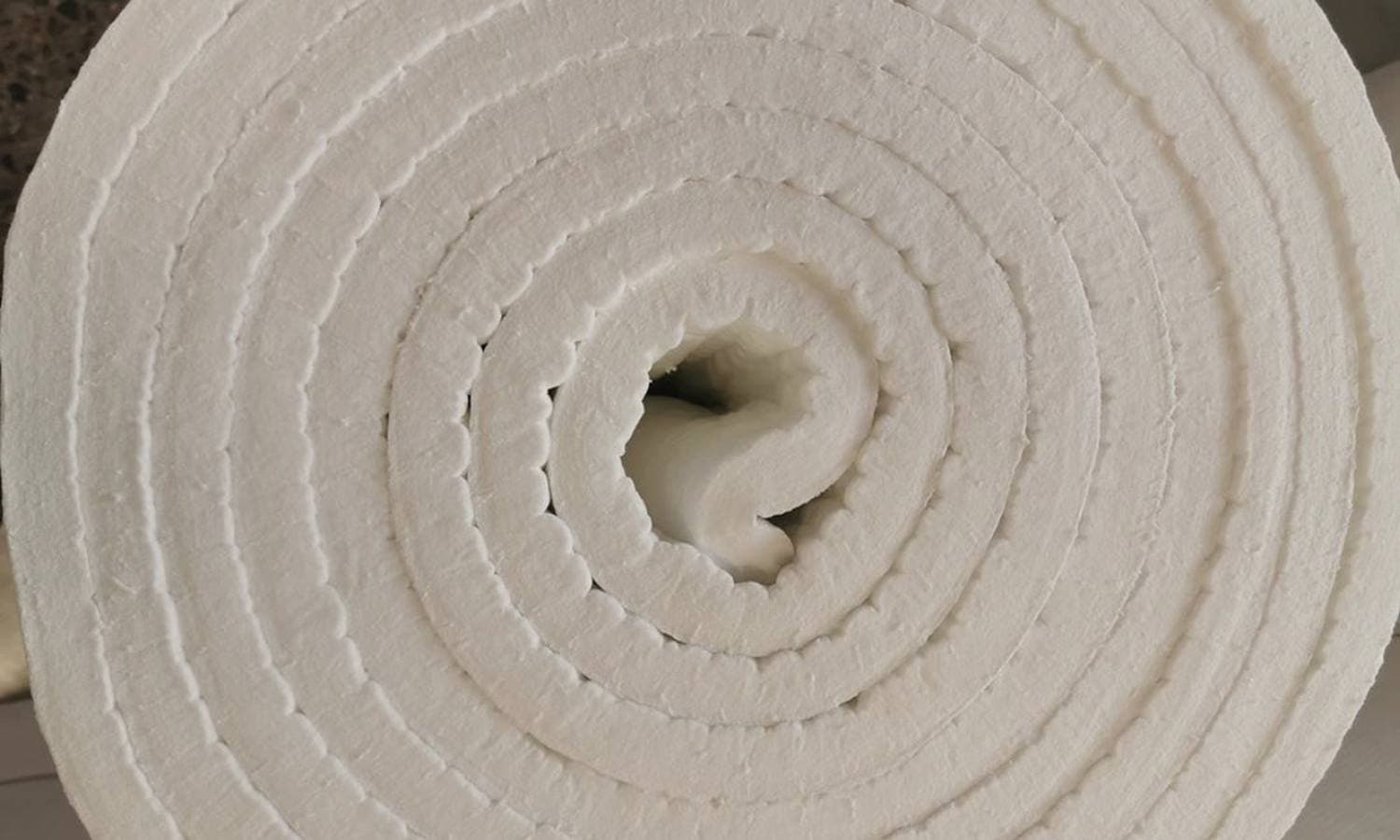
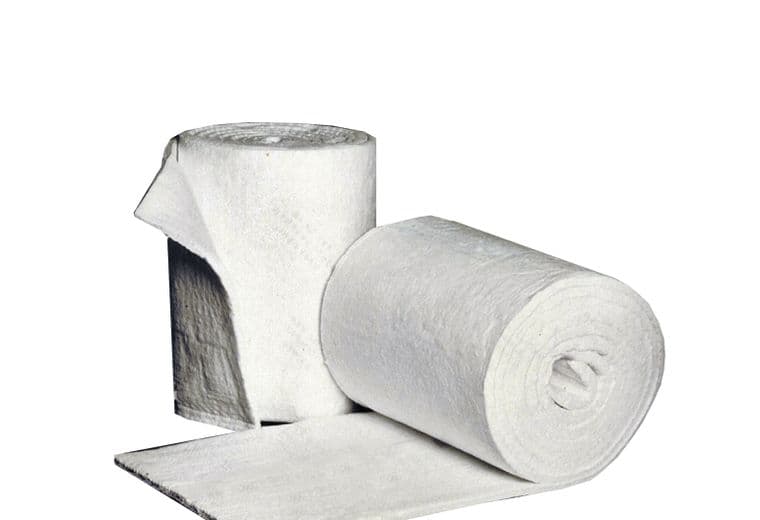
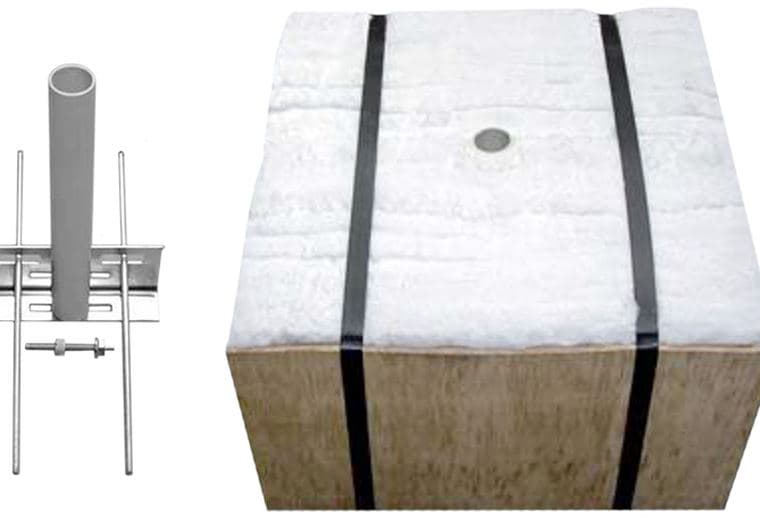
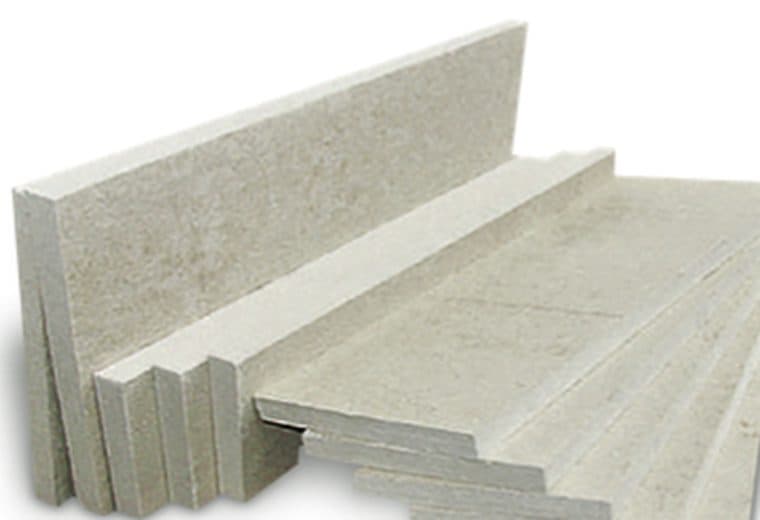
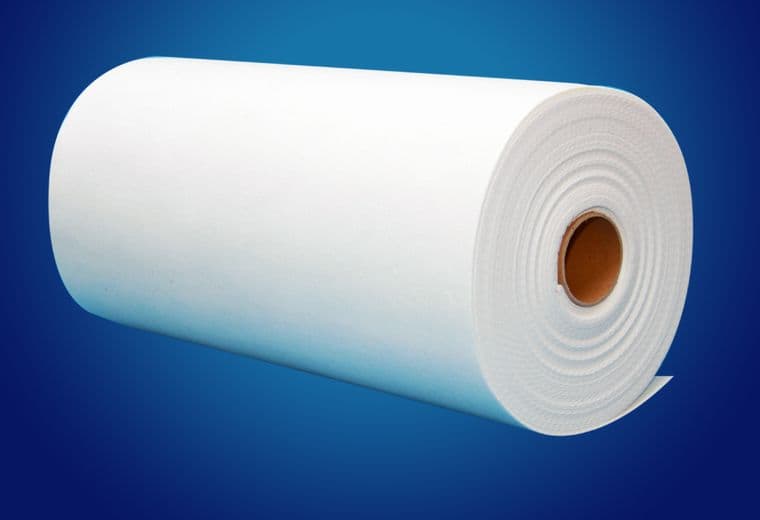
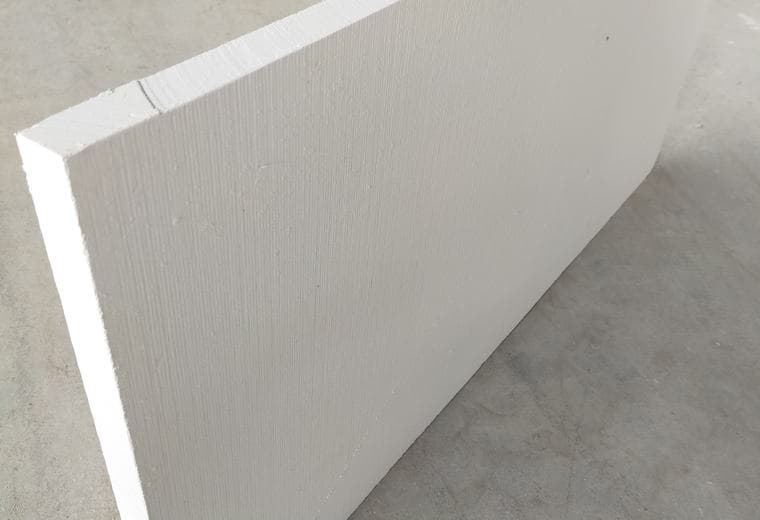
Blankets for flexible back-up insulation, compensation strips and seals. Folded modules for hot-face all-fibre linings of cyclically operated furnaces — low thermal mass, short heat-up times. Boards for rigid, mechanically loaded zones and as load-bearing insulation layers.
Why calcium silicate or microporous instead of fibre?+−
Fibre-free materials do not fall within the scope of TRGS 558. Microporous boards additionally offer the highest insulating performance per millimetre of build height — decisive when installation space is limited or the customer requires a fibre-free bill of materials.
Can I use fibre products in direct contact with molten aluminium?+−
No. Fibre products belong in the back-up insulation behind the refractory wear lining, not in contact with the melt.
Can I get cut pieces and special shapes?+−
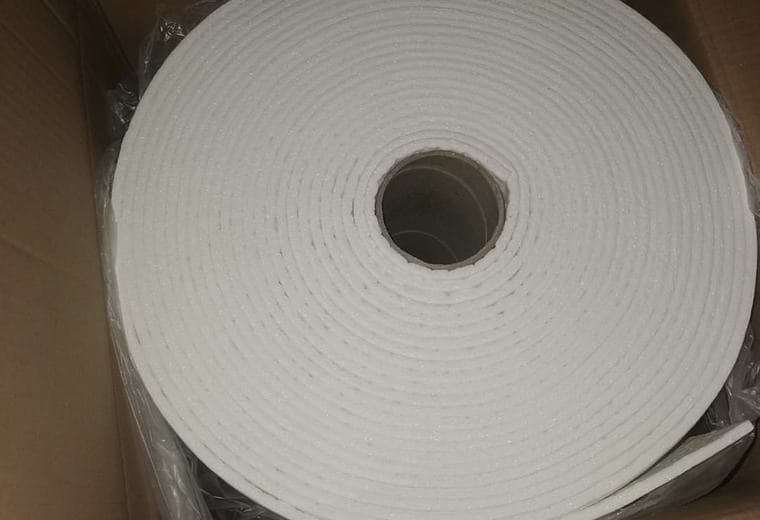
Yes — as cut pieces, strips, special thicknesses, roll widths to specification and as vacuum-formed parts to drawing. A roll width of 1220 mm is available on request.