Wird geladen...
Wird geladen...
In a combustion chamber with a moving grate, the fuel bed, the grate movement and the alkalis attack in completely different places. Line it all with the same material and you either overpay or stand still again next winter.
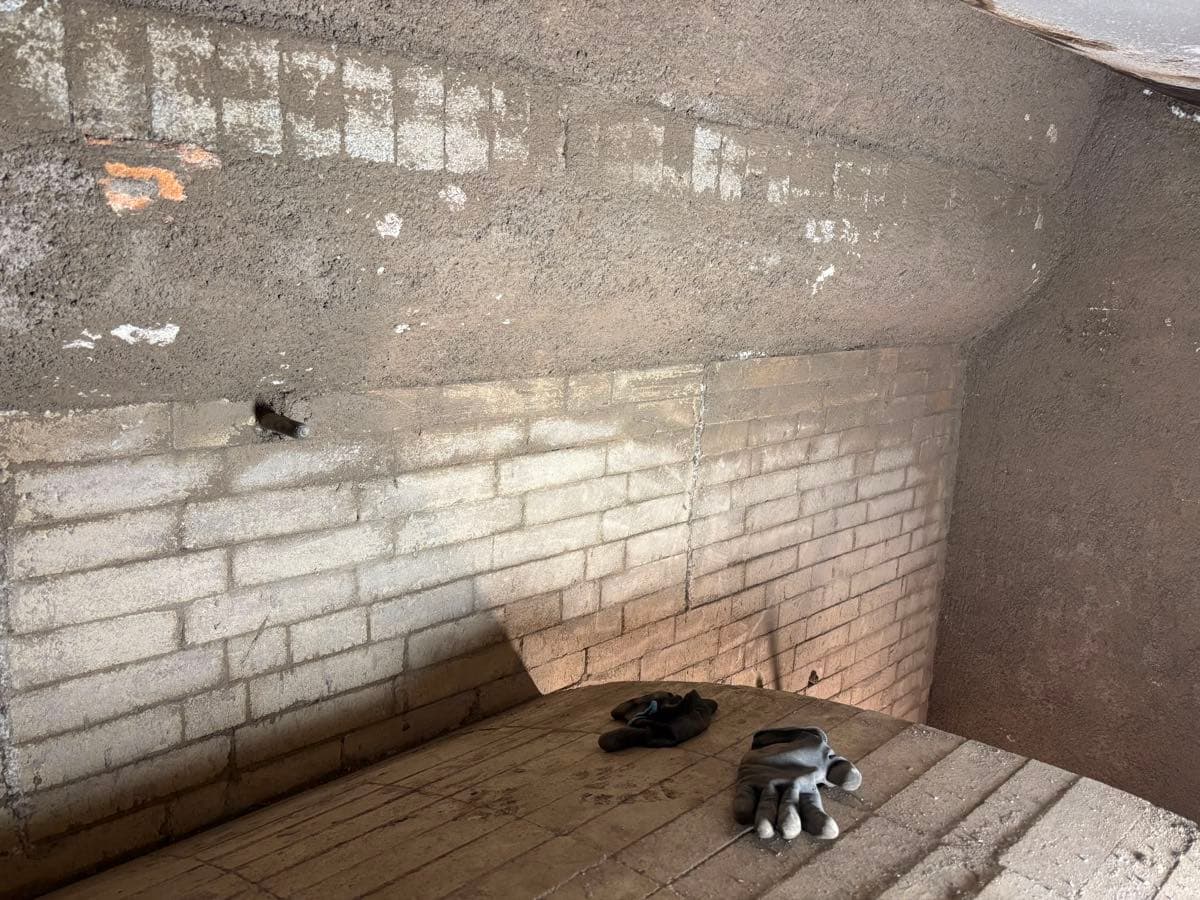
From the inside, a combustion chamber looks equally hot everywhere. It is not. Above the grate lies a fuel bed that shifts with every stroke and abrades the wall mechanically. Two metres higher, where the secondary air enters, the temperature and the turbulence are at their highest. Higher still, at the boiler inlet, the flue gas cools down — and that is precisely where alkalis condense. Three zones, three entirely different loads, in a single space.
The established manufacturers of wood-fired plants write in their documentation of the “complete refractory lining of the furnace”. That is correct and still incomplete: it says that the chamber is lined, but not with what and where. That decision is made on site, and it determines the service life.
The moving grate pushes the fuel bed forward in steps. What grinds along the side wall in the process is a mixture of embers, ash and mineral contaminants — sand from handling in the case of forest wood chips, stones and metal in the case of waste wood. That movement acts like abrasive paper, hour after hour, throughout the heating season.
Against mechanical abrasion, a fired brick beats an unfired castable. It has been fired above 1,300 °C in the works, its structure is finished, its density even. A monolithic castable only cures in service — and it does so faster at the hot face than in depth. In exactly the zone where the fuel bed grinds, it is at its most vulnerable.
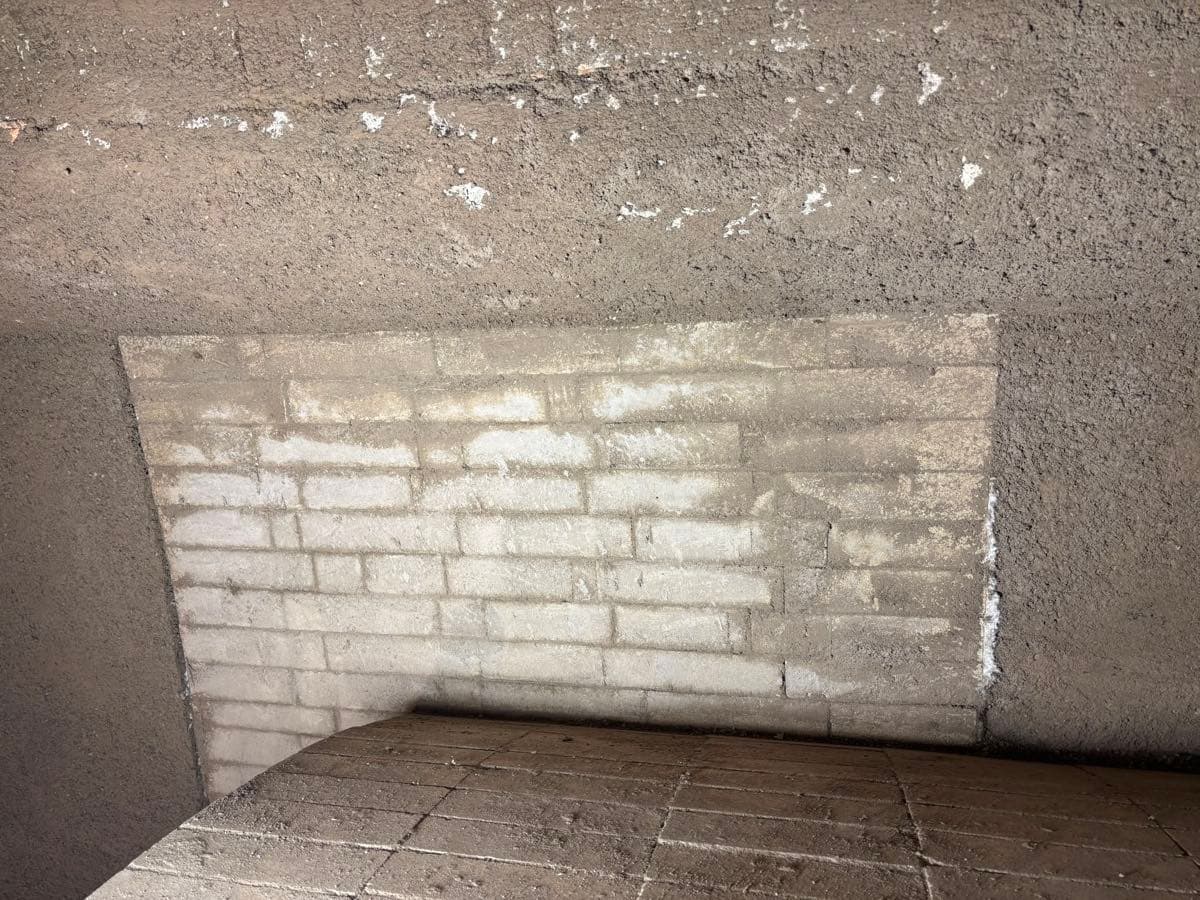
Above the grate zone the relationship reverses. There is no abrasion there any more, but there is geometry: corners, slopes, the transition to the boiler, penetrations for secondary air and instrumentation. Laying every one of those shapes in brick means cutting to fit, many joints, and many places where something can start.
A monolithic lining has no joints there. It follows the shape, encloses anchors and penetrations without a seam and can be placed in one pass. What counts against it above the grate — that it only reaches full strength in service — does not matter here.
The question is not whether brick or castable is the better material. The question is which load is the strongest at this particular point — and the choice is made against that.
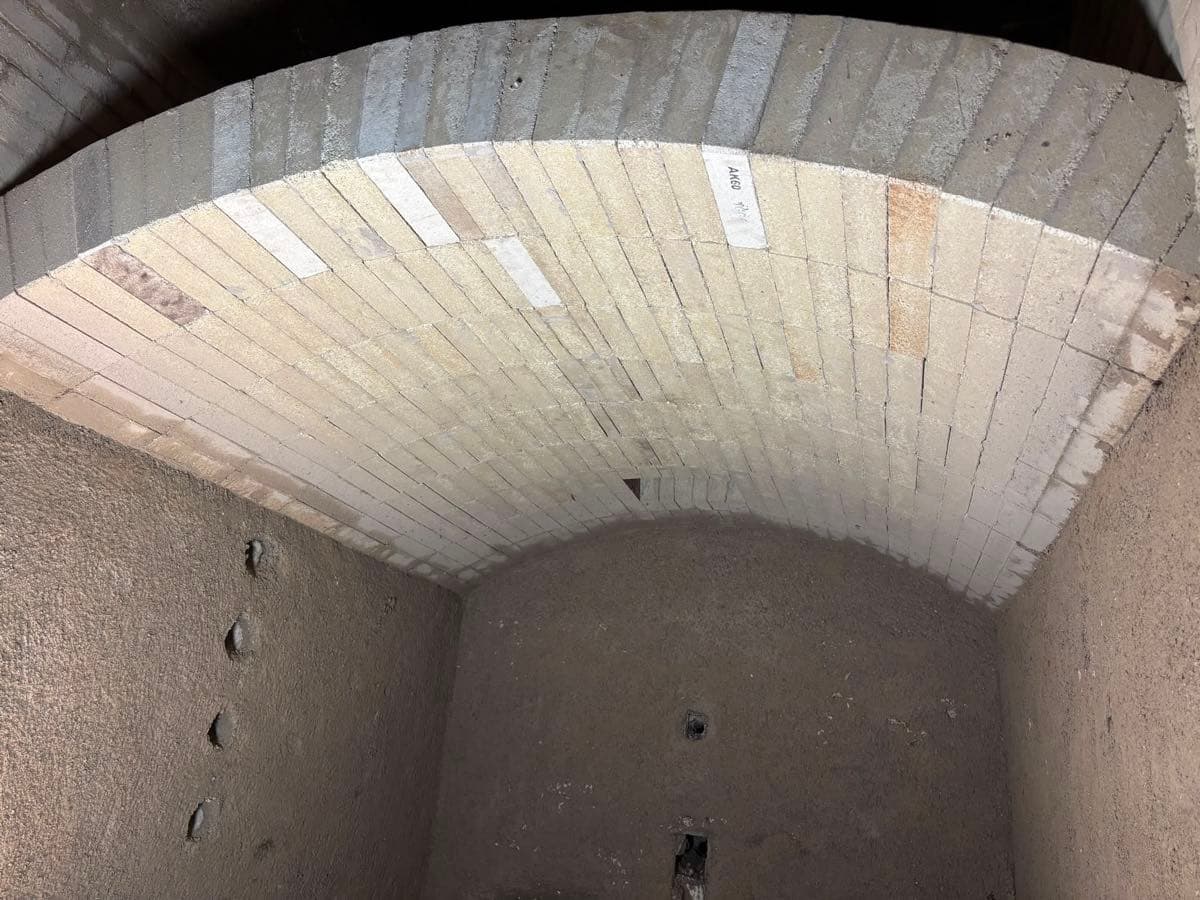
Where two materials meet, the weakest point of the whole lining is created. Brick and castable expand to different degrees, and they do so at different moments: the brick follows the temperature immediately, the castable lags and additionally shrinks during the first heat-up.
If that boundary runs as a straight horizontal line through the wall, a continuous predetermined breaking point has been built. It opens at the first load change, and from then on the crack works its way along the full length of the wall. That is why the boundary is toothed: the brick courses step into the castable, each step offset against the next. A crack that follows one step ends at the next.
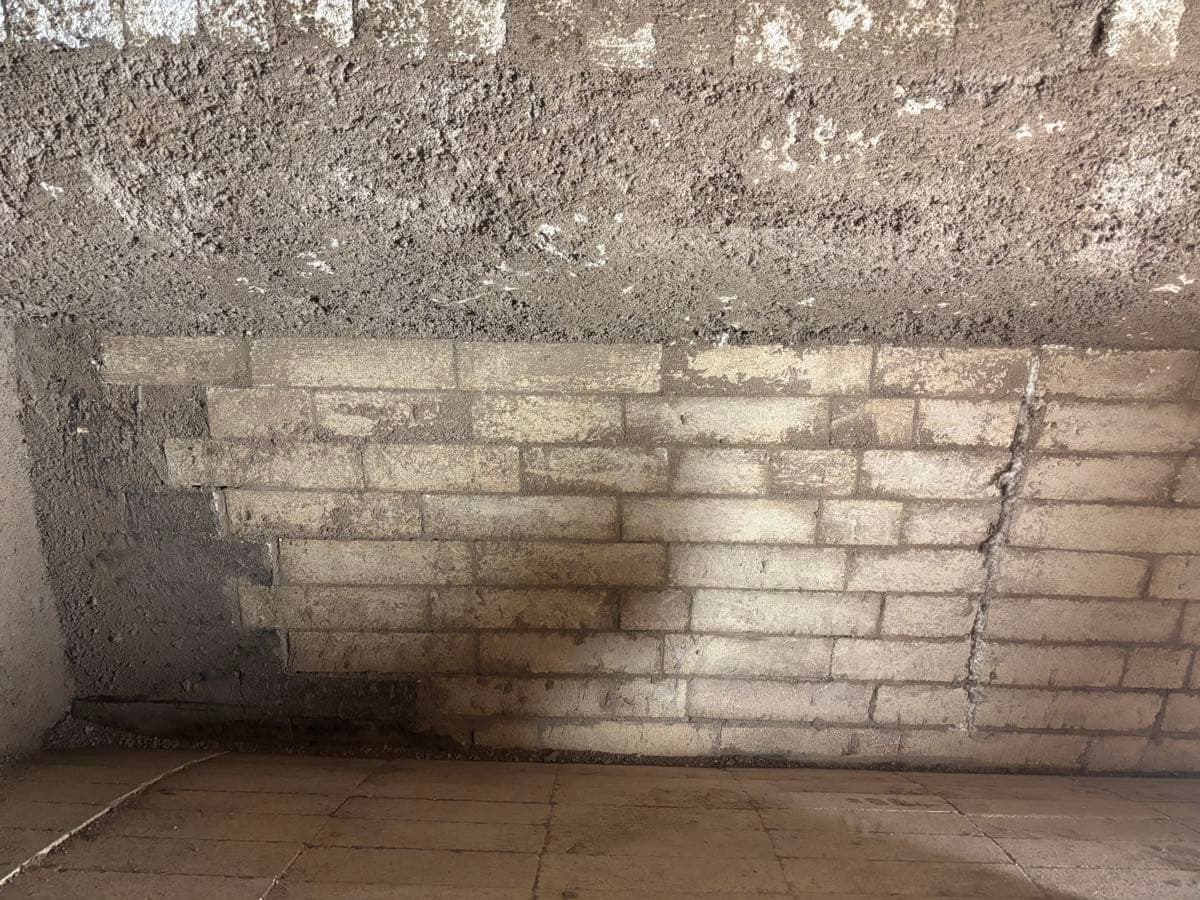
Refractory material expands as it heats. A ten-metre combustion chamber wall grows by several centimetres in the process. Given no room for that, it presses against itself, and somewhere it yields — usually where it is most expensive.
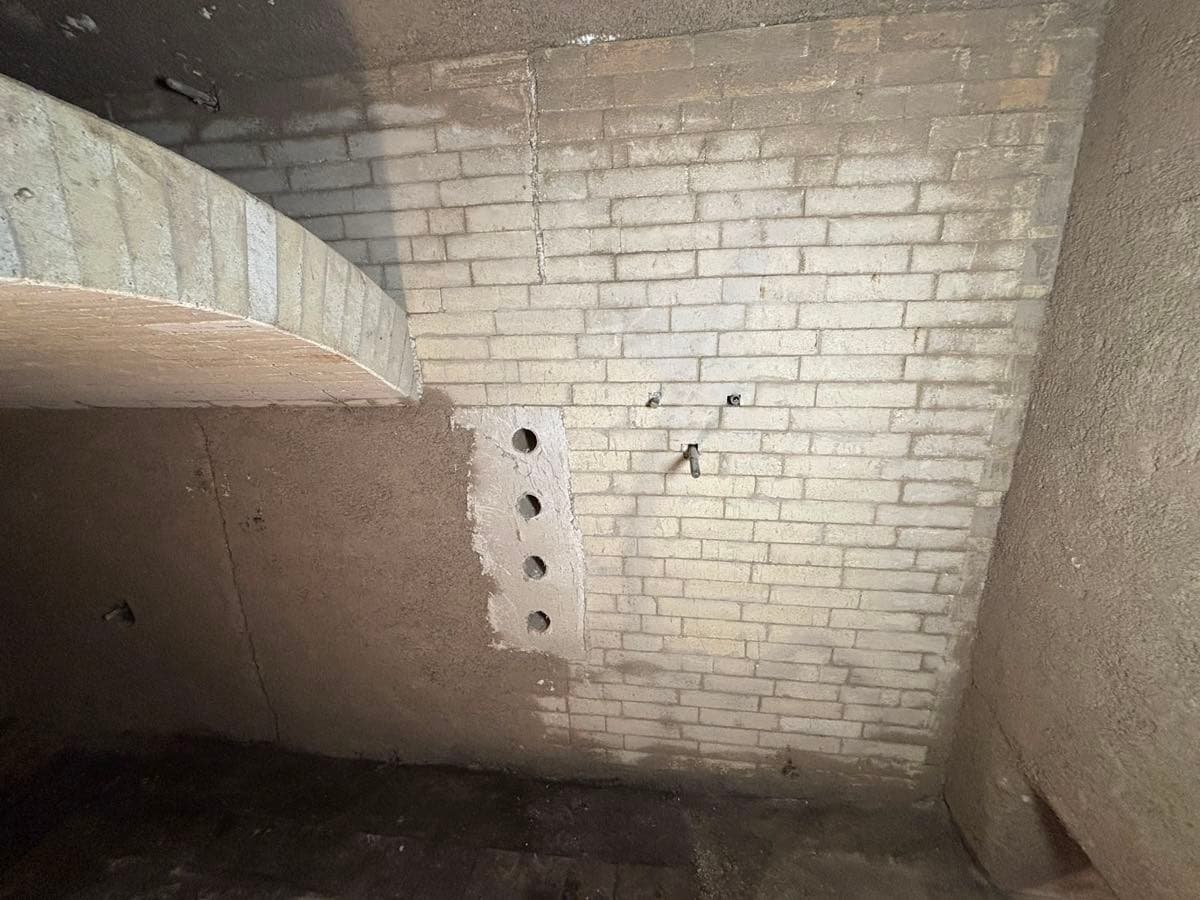
Secondary air is blown in above the fuel bed and provides the afterburning of the rising gases. If the openings sit wrongly, the burnout deteriorates measurably — in the established moving-grate designs the position of the nozzles is part of the combustion design and not a detail.
For the refractory work this means: the nozzles are set during installation, not chiselled through afterwards. A hole drilled later has no closed rim, the structure is disturbed at the bore, and the air streams uncontrolled along the lining instead of into the gas flow. If a panel containing nozzles is renewed, their position is surveyed beforehand and restored afterwards — to the millimetre.
Wood burns more cleanly than coal, but its ash is chemically more aggressive. Potassium and sodium evaporate in the fuel bed, rise with the flue gas and condense where it gets cooler — at the boiler inlet and on the first heating surfaces. There they form low-melting compounds with the silica in the lining. The surface turns glassy, becomes sticky, and ash clings to it.
That is why the cheapest quality must not be installed in this zone. A high-alumina material offers the alkalis less to attack than an ordinary fireclay. With waste wood and landscape management material the alkali content is higher than with clean forest wood chips — so the fuel has a say in which material belongs at the boiler inlet.
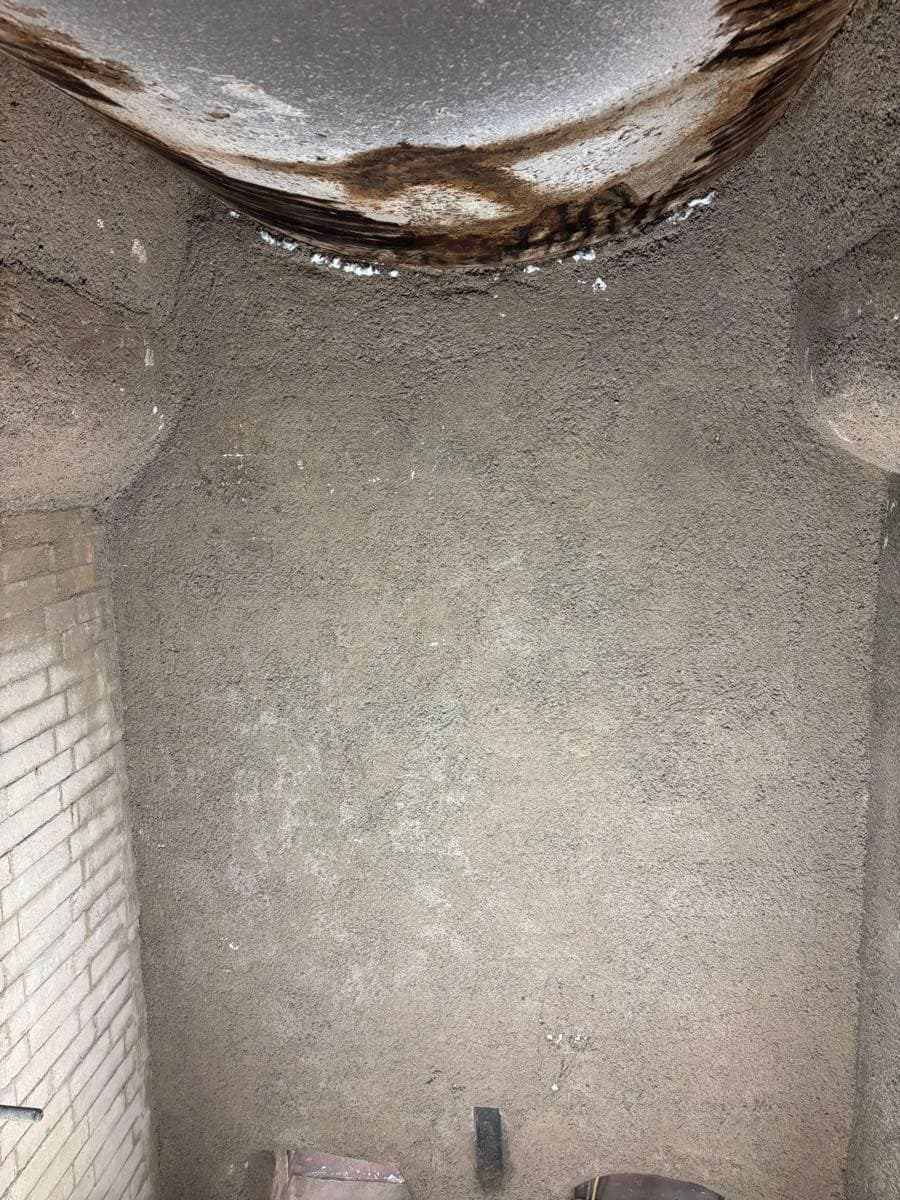
After installation every combustion chamber looks tidy. Whether it is can be seen at a few points that are worth looking at deliberately during the handover walk:
The last point is the one most often skipped. After installation a monolithic lining contains water that has to escape slowly. Ramp up too quickly and steam pressure builds inside the structure, and the surface spalls off. The most careful workmanship is then written off within a few hours.
A combustion chamber does not last because the most expensive material was installed — but because the right one stands at every point and the transitions are sound.
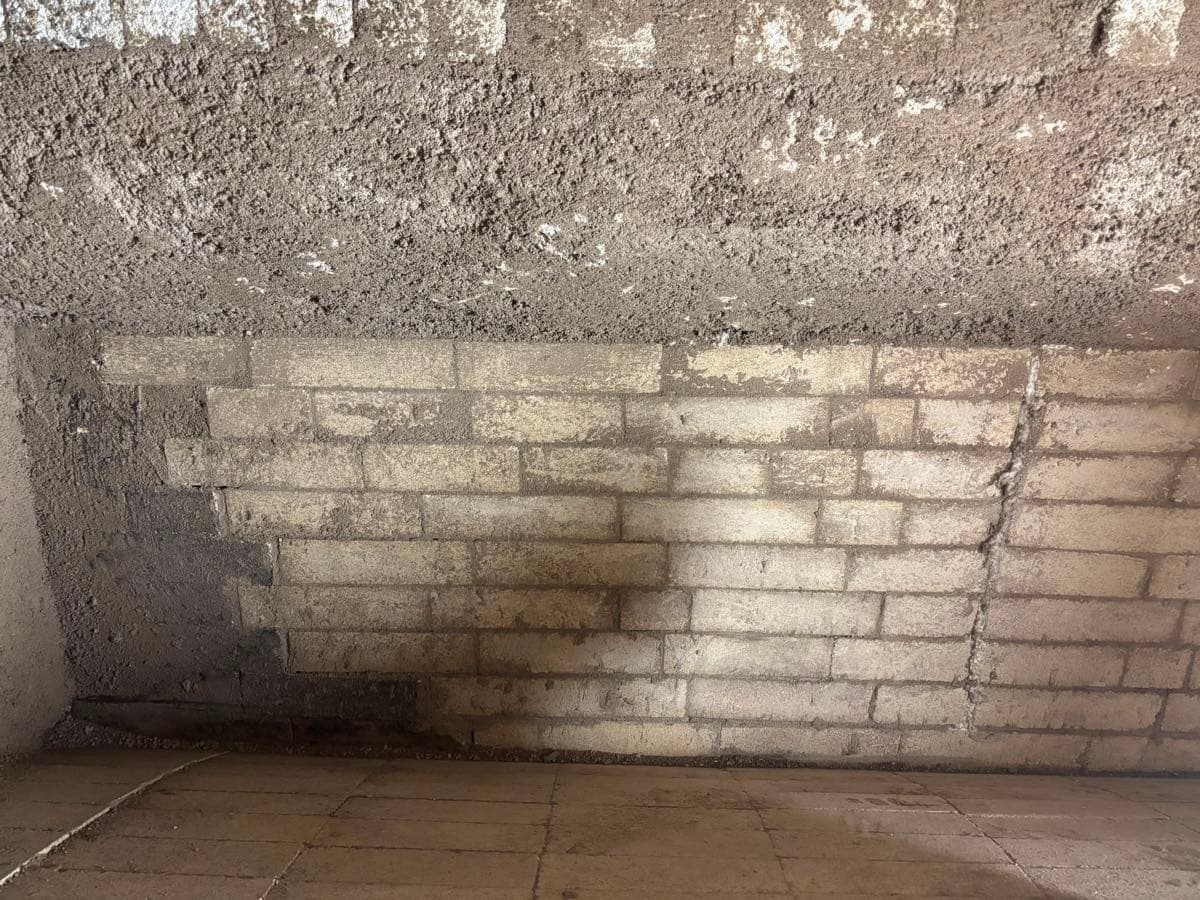
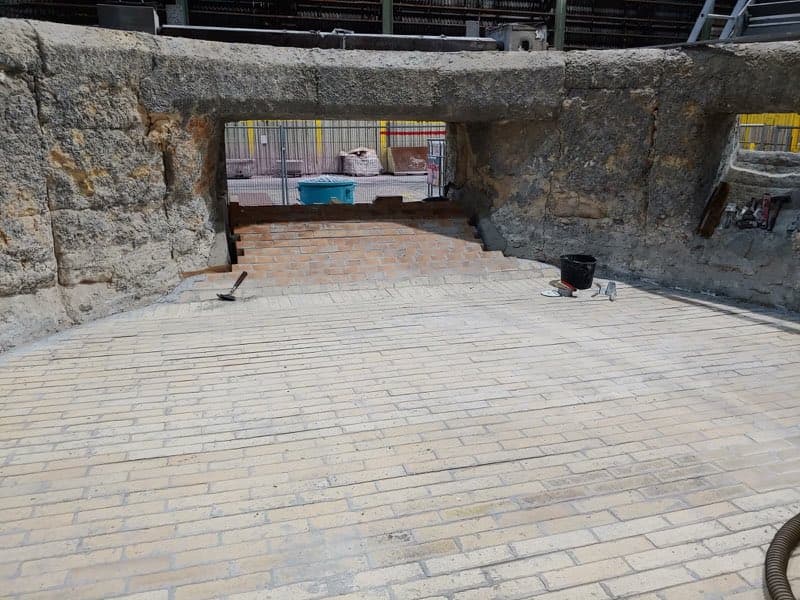
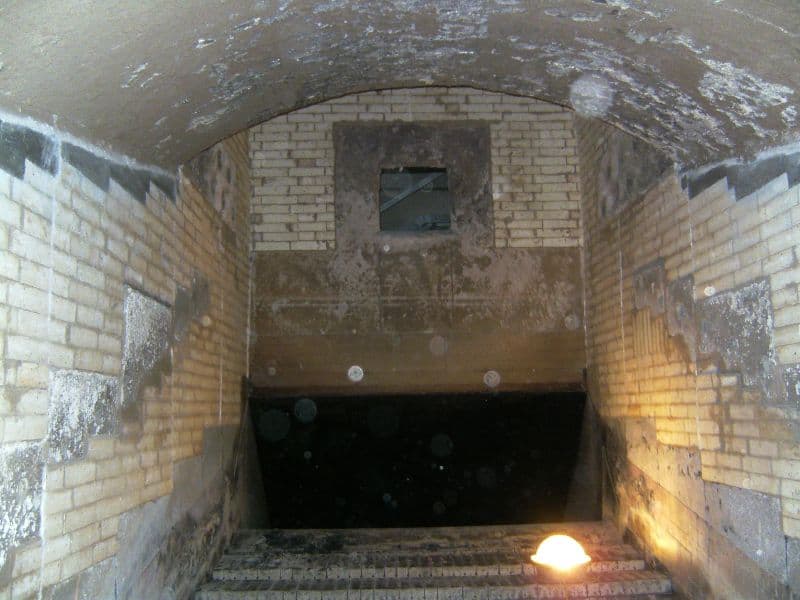
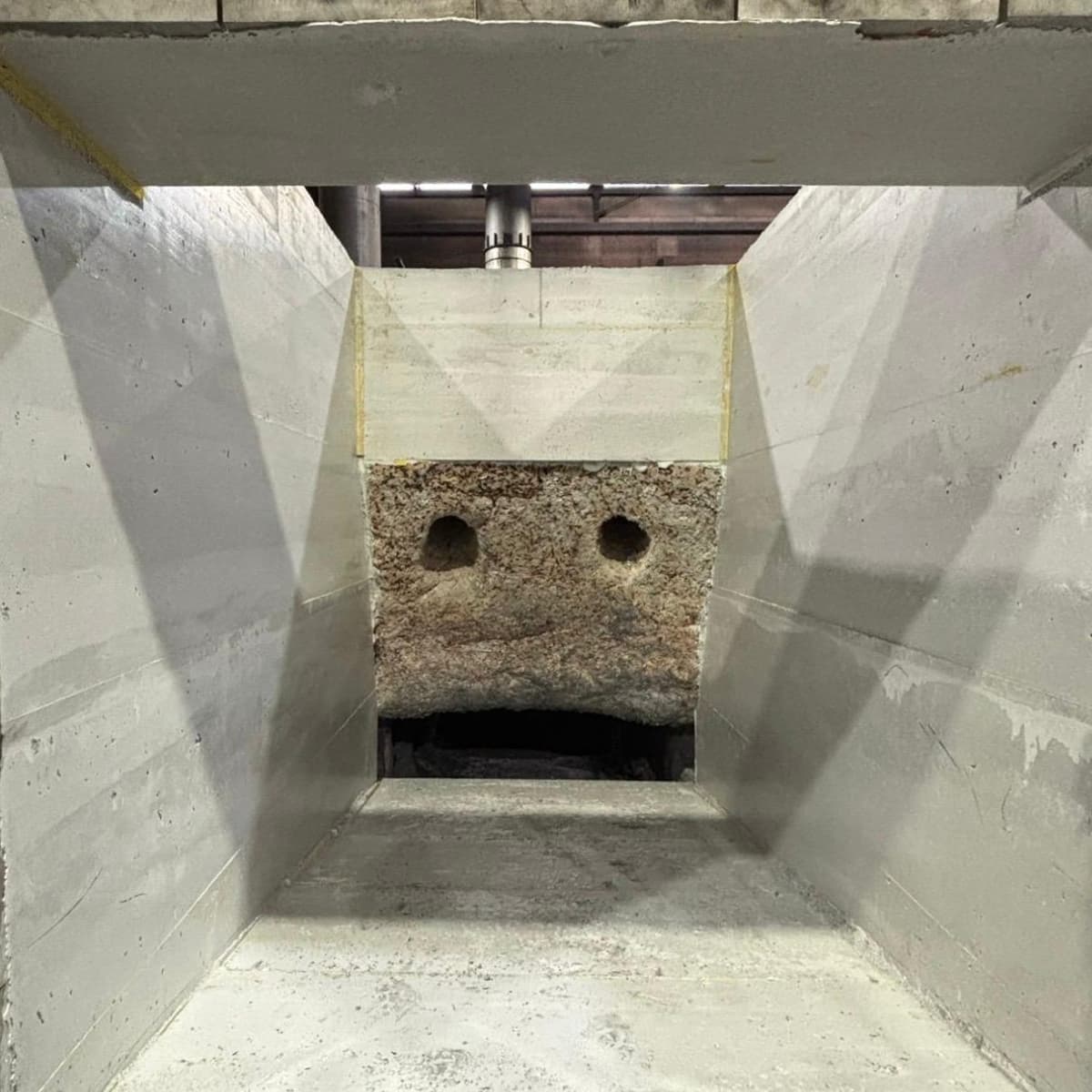
Relining of the combustion chamber of a biomass CHP plant with a moving grate: brickwork above the grate, monolithic lining above it, a stepped interlocking transition and secondary-air nozzles restored to the millimetre.
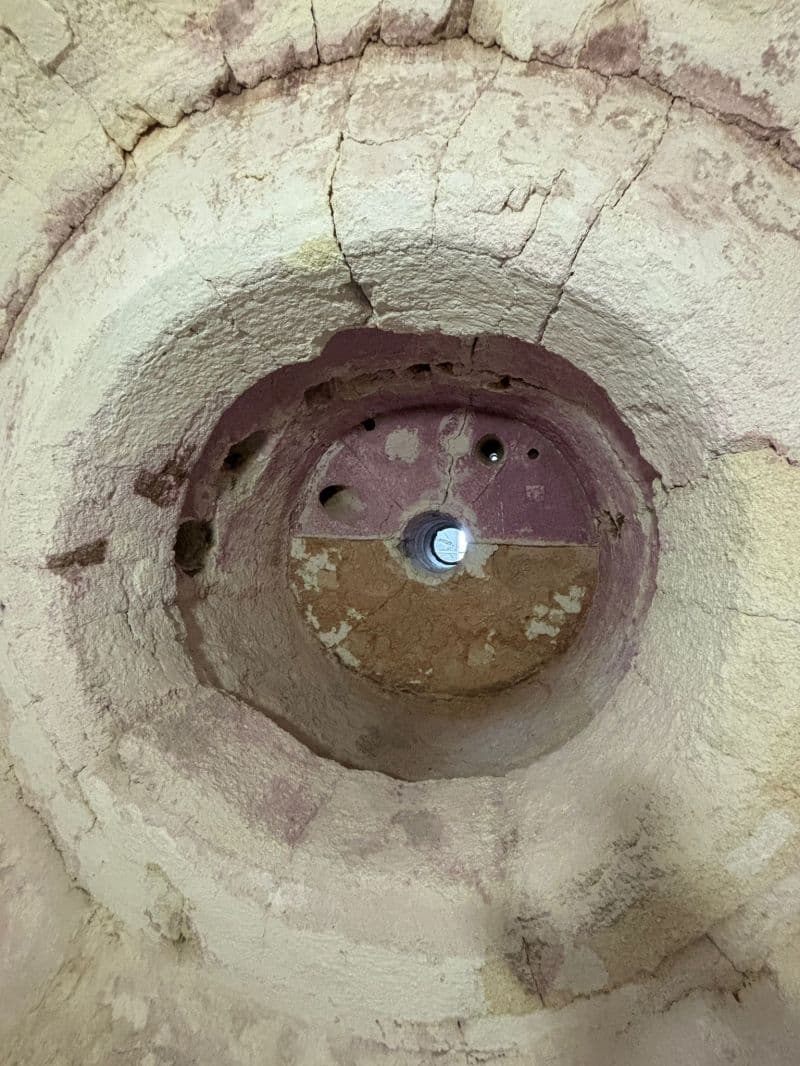
Fundamental overhaul of the combustion chamber of a biomass power plant – including renewal of the side brickwork, new expansion joints and thorough cleaning for optimised efficiency.
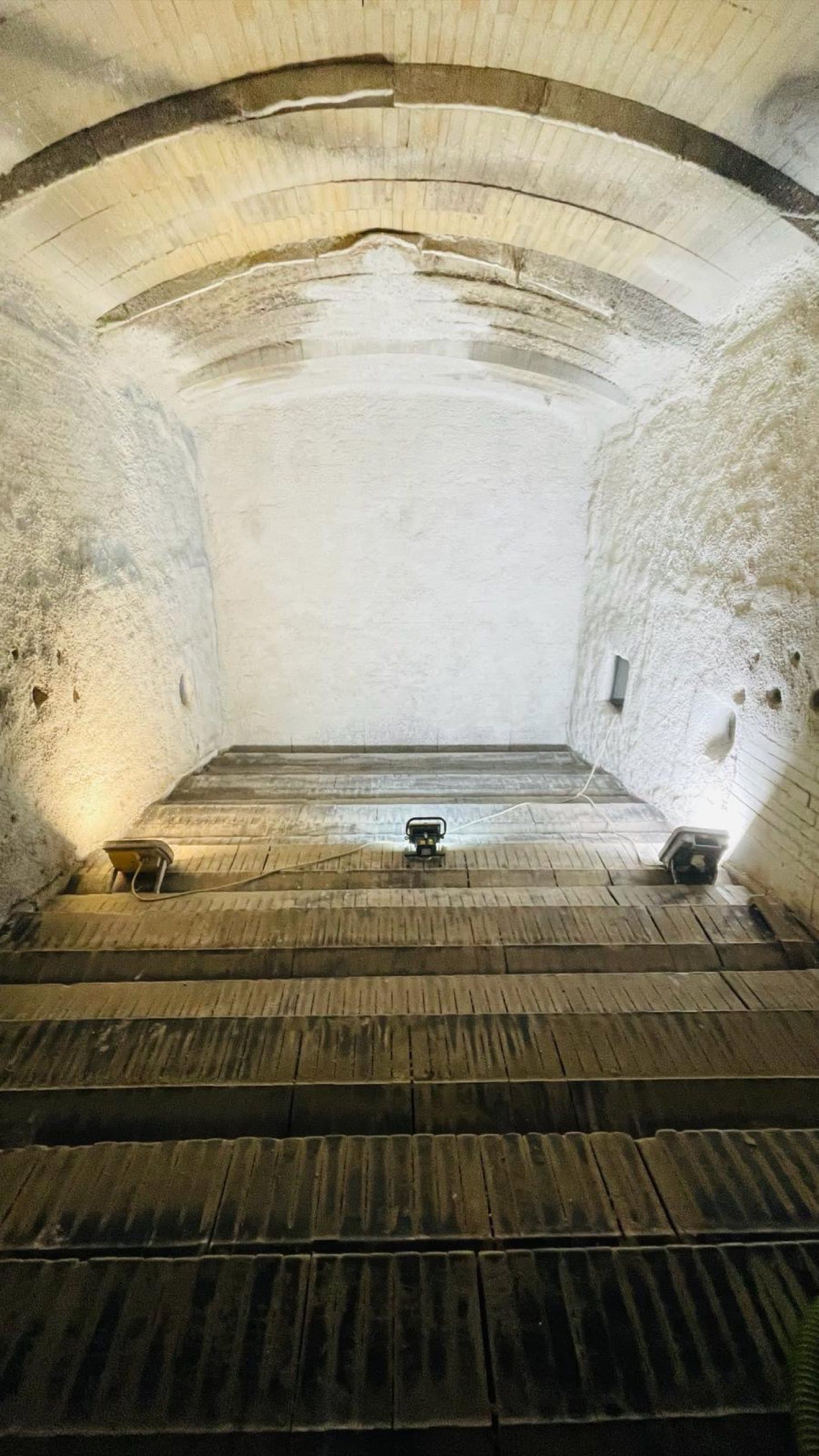
Fundamental overhaul of the combustion chamber of a biomass power plant – side brickwork renewed, expansion joints integrated and thermal efficiency sustainably improved.
Whether complete relining, repair or emergency — free initial consultation and a fast response.