Wird geladen...
Wird geladen...
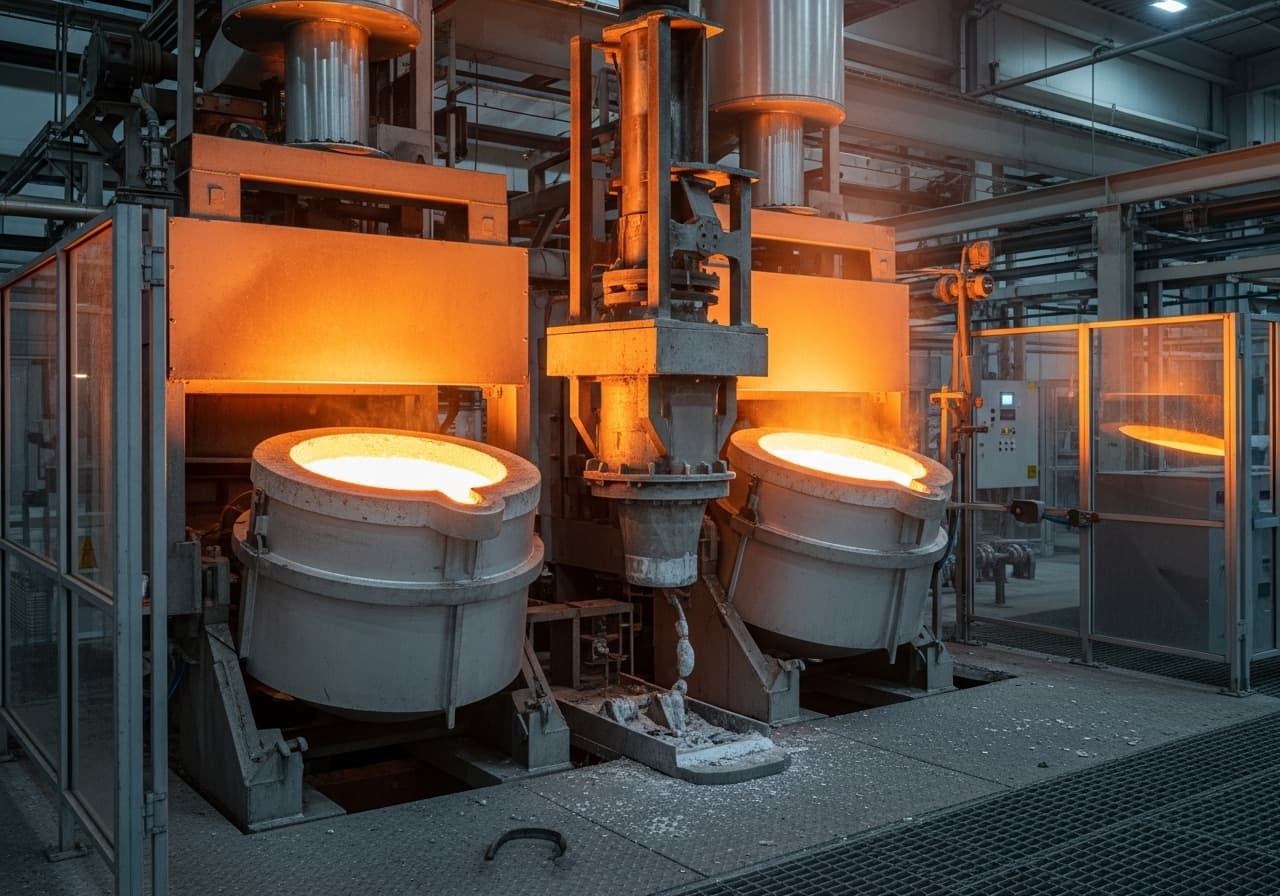
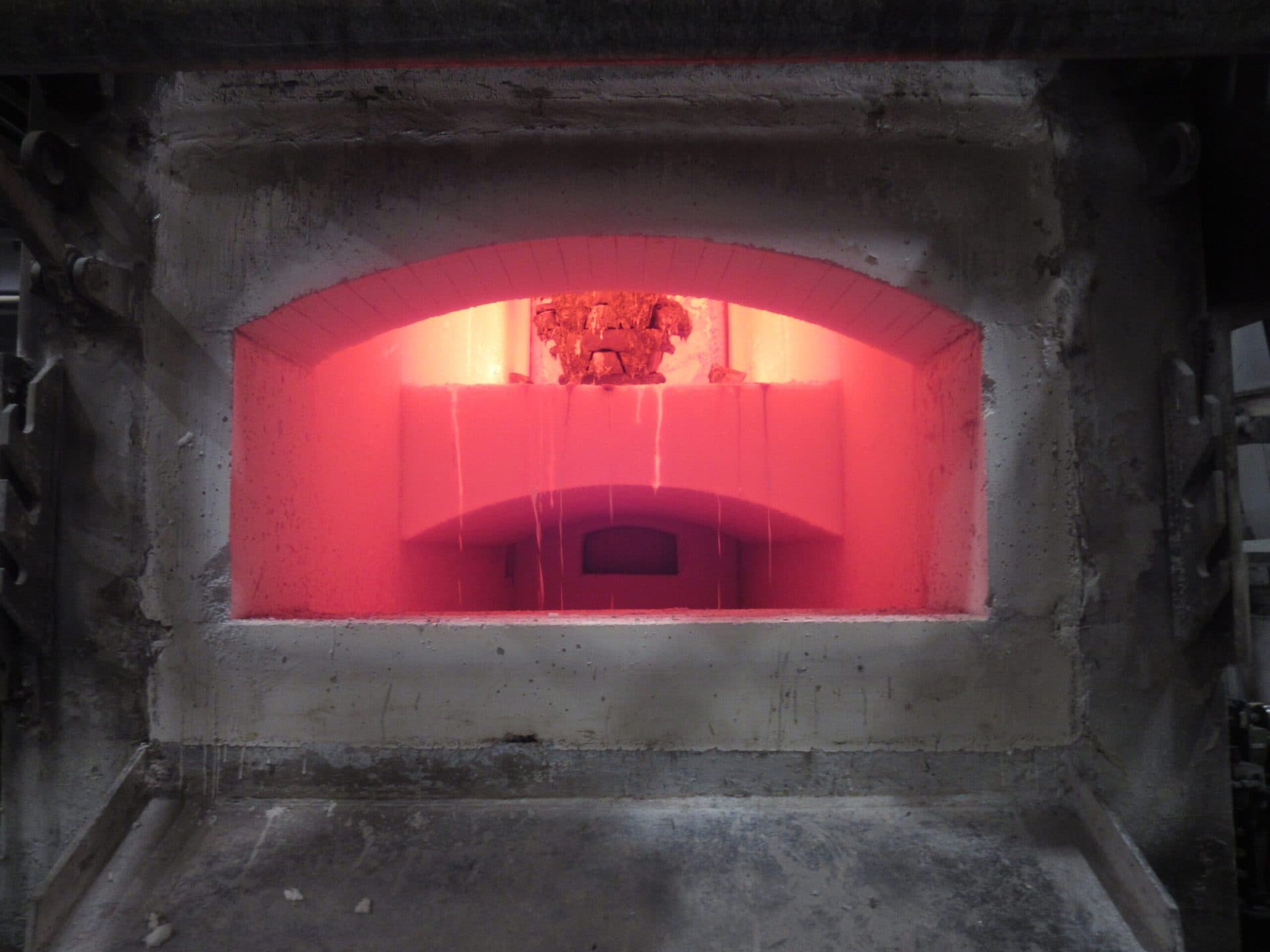
Refractory maintenance of dosing furnaces for precise aluminium dosing in the foundry.
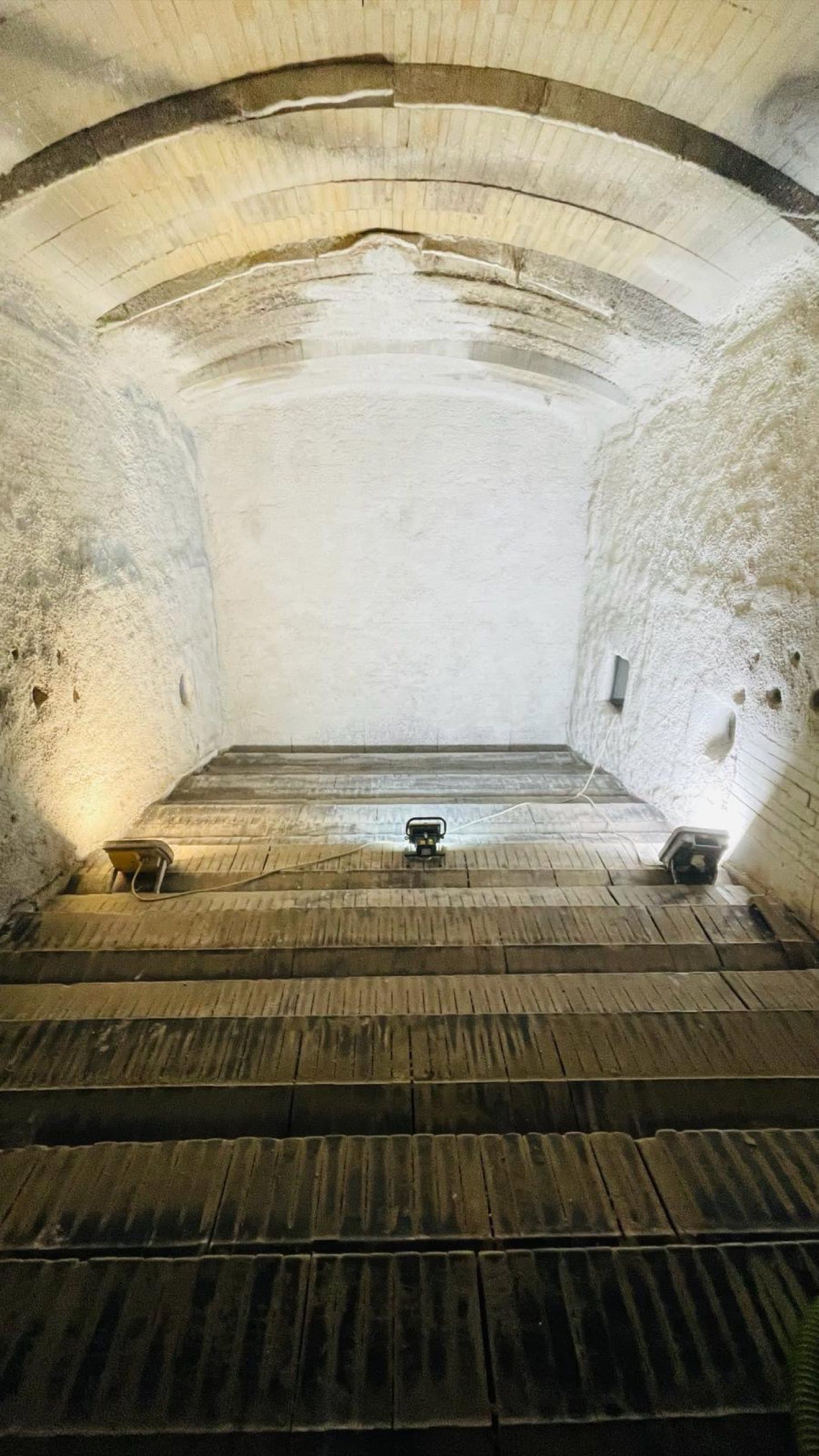
The crucible body forms the main vessel for the aluminium melt and is in permanent contact with the liquid metal. It is made from non-wetting special castable or from prefabricated crucibles of graphite/SiC composite. Depending on furnace size, the wall thickness is 80–200 mm.
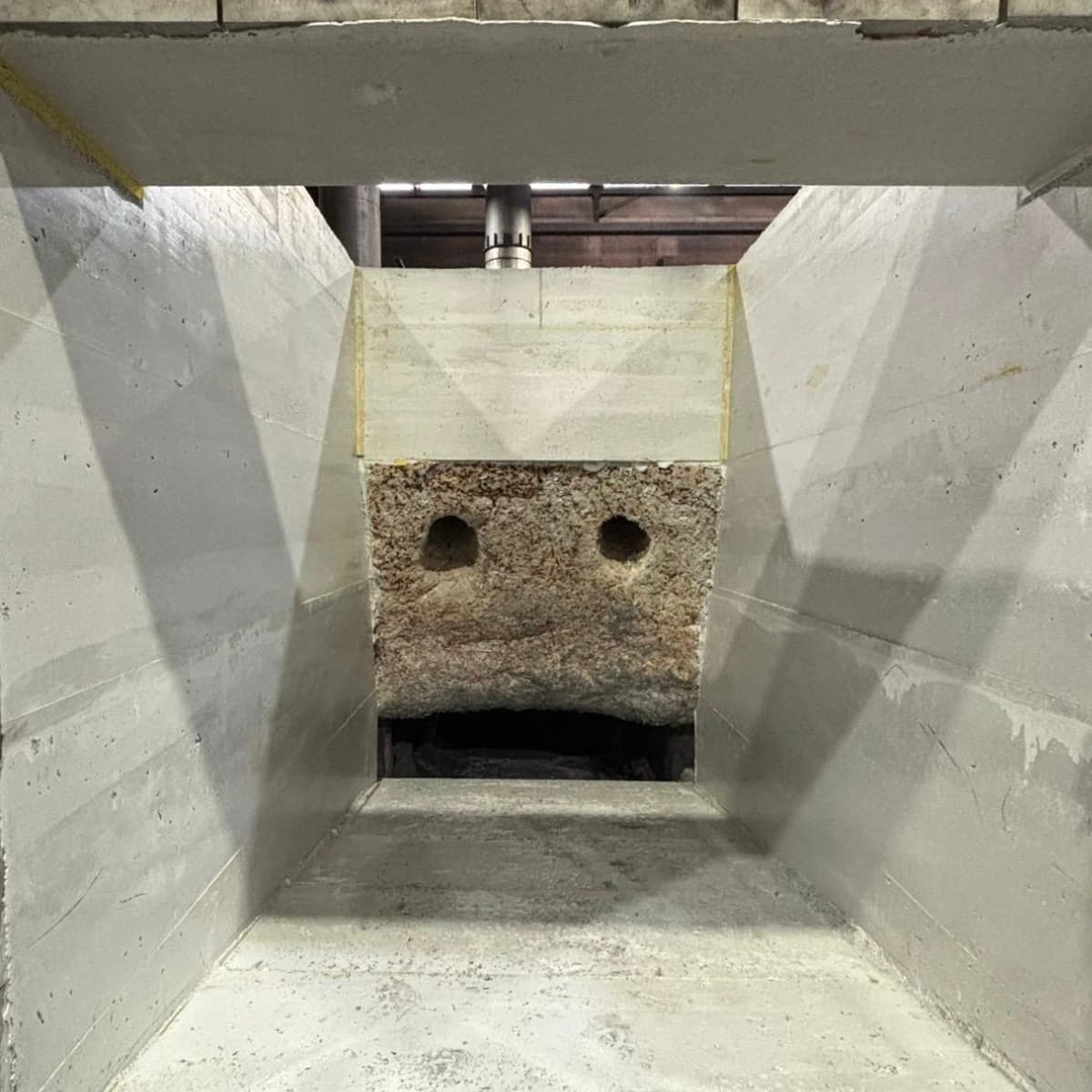
The pouring launder transports the dosed melt from the furnace to the mould. It is exposed to extreme cyclic thermal loads and is made from high-purity, non-wetting refractory material. Rapid replacement in the event of wear must be possible.
The heating zone comprises the electric heating elements or gas burners together with their refractory surround. The insulation must ensure uniform heat distribution while at the same time protecting the heating elements from direct contact with the melt.
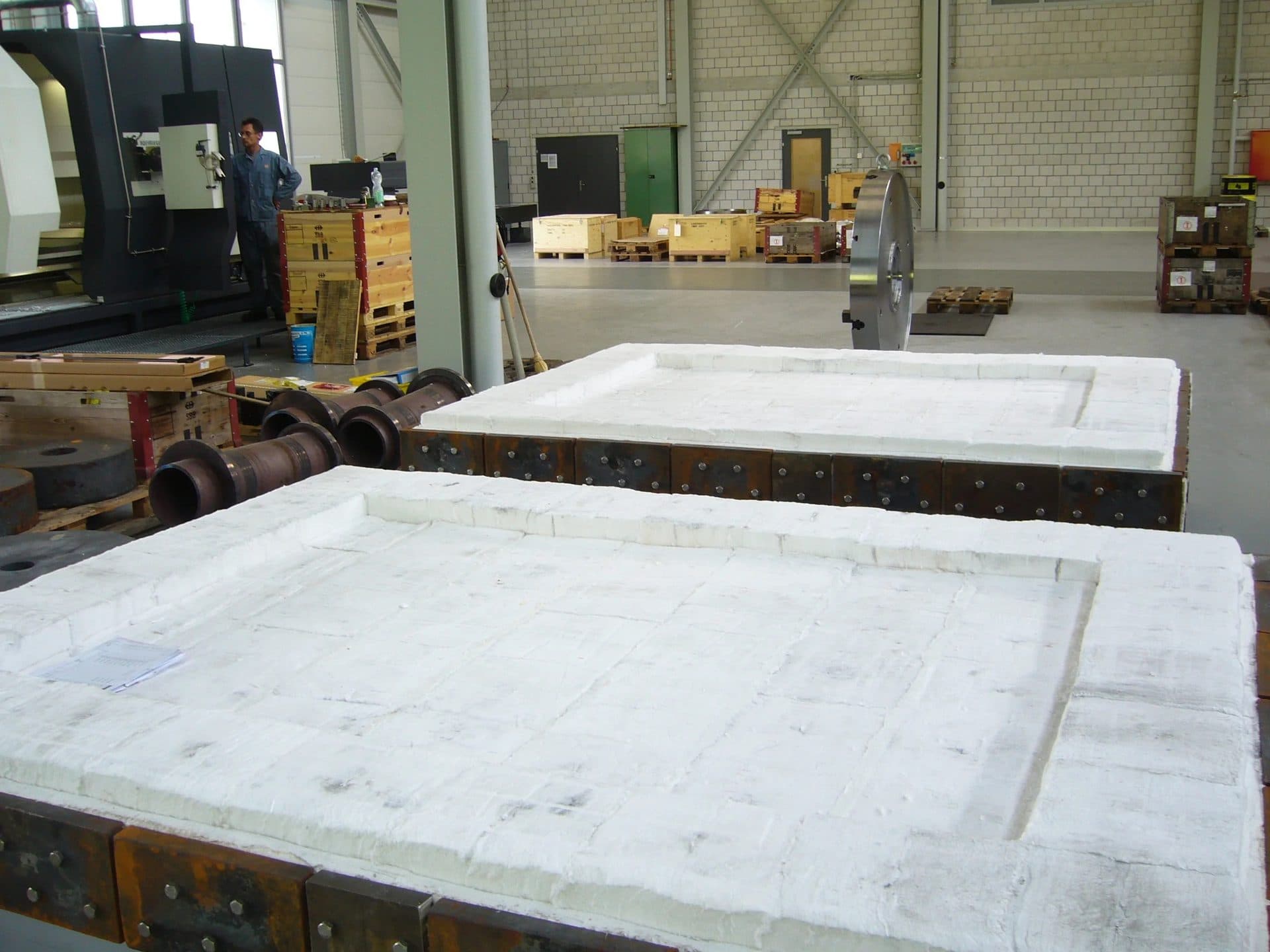
The furnace lid closes the dosing furnace and minimises heat losses and oxidation of the melt. It is typically insulated with ceramic fibre modules or boards, which ensure low weight and easy handling.
The dosing furnace is the central link between melting operations and the casting line in every aluminium foundry. It receives the molten metal from the melting furnace, holds it at the exact casting temperature and delivers it to the casting machine under control. SBS Refractory Service has specialised in refractory construction for dosing furnaces from all common manufacturers for more than 35 years — from StrikoWestofen and Nabertherm through to Hindenlang. Our experienced teams have mastered the specific requirements of a wide range of dosing systems and guarantee execution on schedule with maximum lining service life.
The refractory lining of a dosing furnace faces particular challenges: unlike in a melting furnace, the melt here is in permanent contact with the lining — often for days and weeks on end. This continuous exposure considerably promotes metal infiltration and the dreaded corundum growth on the refractory surface. At the same time the lining must be absolutely chemically inert, since impurities from the refractory material pass directly into the casting and can cause quality problems there. As a wear part, the pouring launder is additionally exposed to extreme cyclic thermal loads and requires regular inspection and renewal.
An optimally lined dosing furnace not only saves energy through efficient insulation, but also reduces scrap in the casting process thanks to a constant melt temperature. Our refractory specialists analyse the specific operating conditions of your dosing furnace and develop a tailored lining concept. Coordination with your production planning ensures that the work is completed on schedule within the planned maintenance window.
These loads determine the choice of material and the design of the refractory lining.
Unlike in a melting furnace, the lining of the dosing furnace is in permanent contact with the melt — often for days at a time. This continuous exposure considerably promotes metal infiltration and corundum growth.
Impurities from the refractory lining can pass directly into the casting and cause quality problems. The materials used must be chemically inert towards the aluminium melt.
The dosing furnace must hold the melt temperature constant to within ±3°C. Uneven insulation or wear on the heating elements leads to temperature fluctuations that impair casting quality.
The pouring launder is particularly heavily loaded by repeated contact with flowing melt and by cyclic thermal loads during pouring. Regular replacement or repair is required.
Every zone of your furnace places its own demands on temperature resistance, chemical resistance and mechanical load capacity. We select the optimum material combination.
Click on a material for details
Melt contact
Melt contact (crucible furnaces)
Thermal insulation
Lid insulation
Our services for this furnace type — from complete relining to ongoing maintenance.
Our structured process guarantees quality, on-time delivery and safety in every project.
Condition assessment of the crucible and the pouring launder
Coordination with foundry shutdown planning
Crucible replacement or repair, launder renewal
Work in accordance with SCC safety standards
Our specialists examine the dosing furnace systematically: visual inspection of the crucible body for cracking and metal build-up, examination of the pouring launder for wear and erosion, measurement of the residual lining thickness, and thermography to identify thermal bridges. The inspection report contains a wear forecast and a clear recommendation for the further course of action.
Based on the inspection findings we develop a maintenance concept matched to the specific requirements of your foundry. Material selection takes into account alloy type, operating temperature and dosing method. The shutdown window is closely coordinated with your production planning in order to minimise the impact on the casting line.
Execution comprises demolition of the old lining, inspection of the steel shell and the layer-by-layer rebuild with insulation, safety lining and wear layer. Particular attention is paid to the pouring launder and the sealing faces. Once completed, the controlled dry-out and heat-up follow a defined temperature programme.
All work is carried out in compliance with SCC safety standards. The risk assessment takes into account the particular hazards of work on dosing furnaces — in particular residual heat, confined spaces and proximity to operating casting plant. Personal protective equipment and permit-to-work procedures are a matter of course.
Over 500 successfully completed refractory construction projects in the DACH region and the Benelux countries.
Dosing furnace
Everything you need to know about the Dosing furnace
Whether complete relining, repair or emergency — free initial consultation and a fast response.