Wird geladen...
Wird geladen...
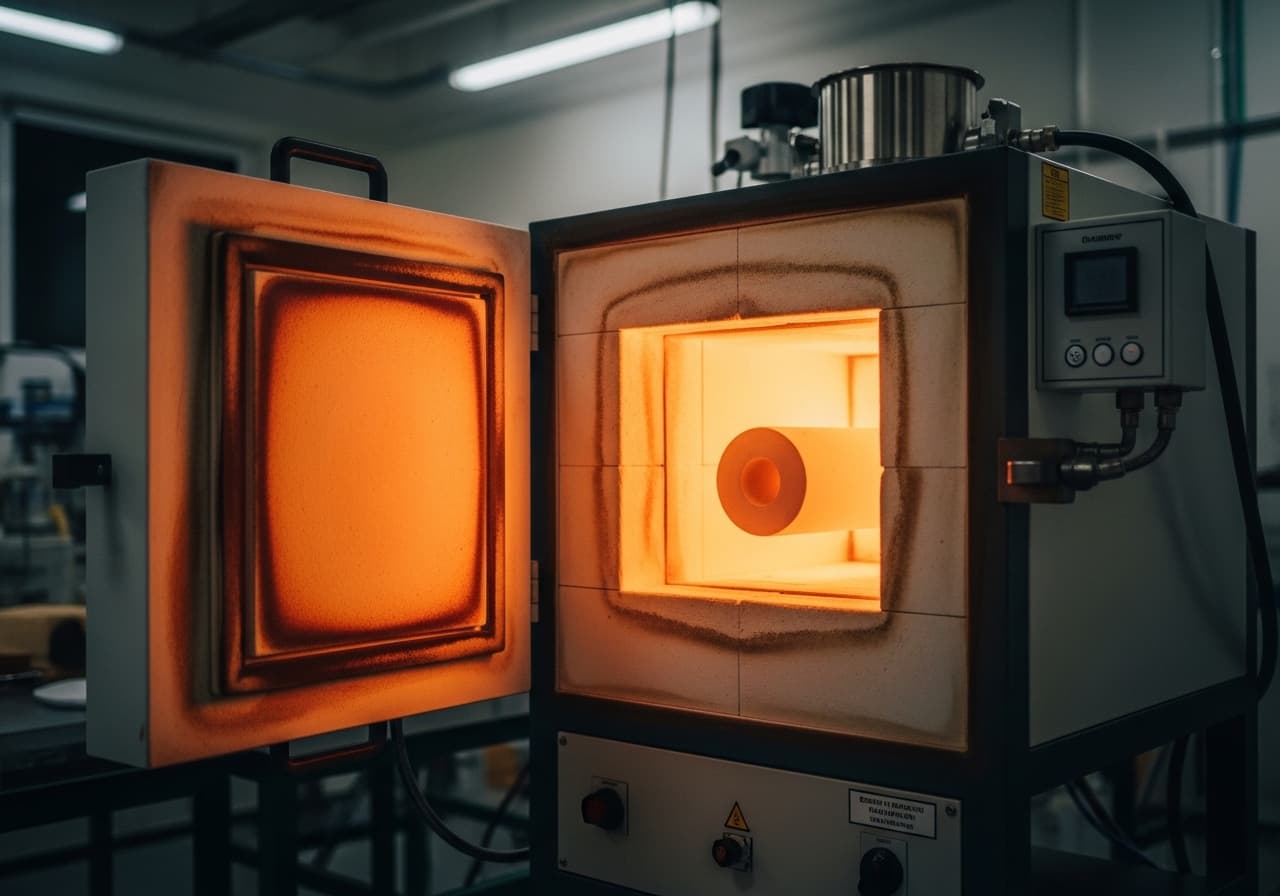
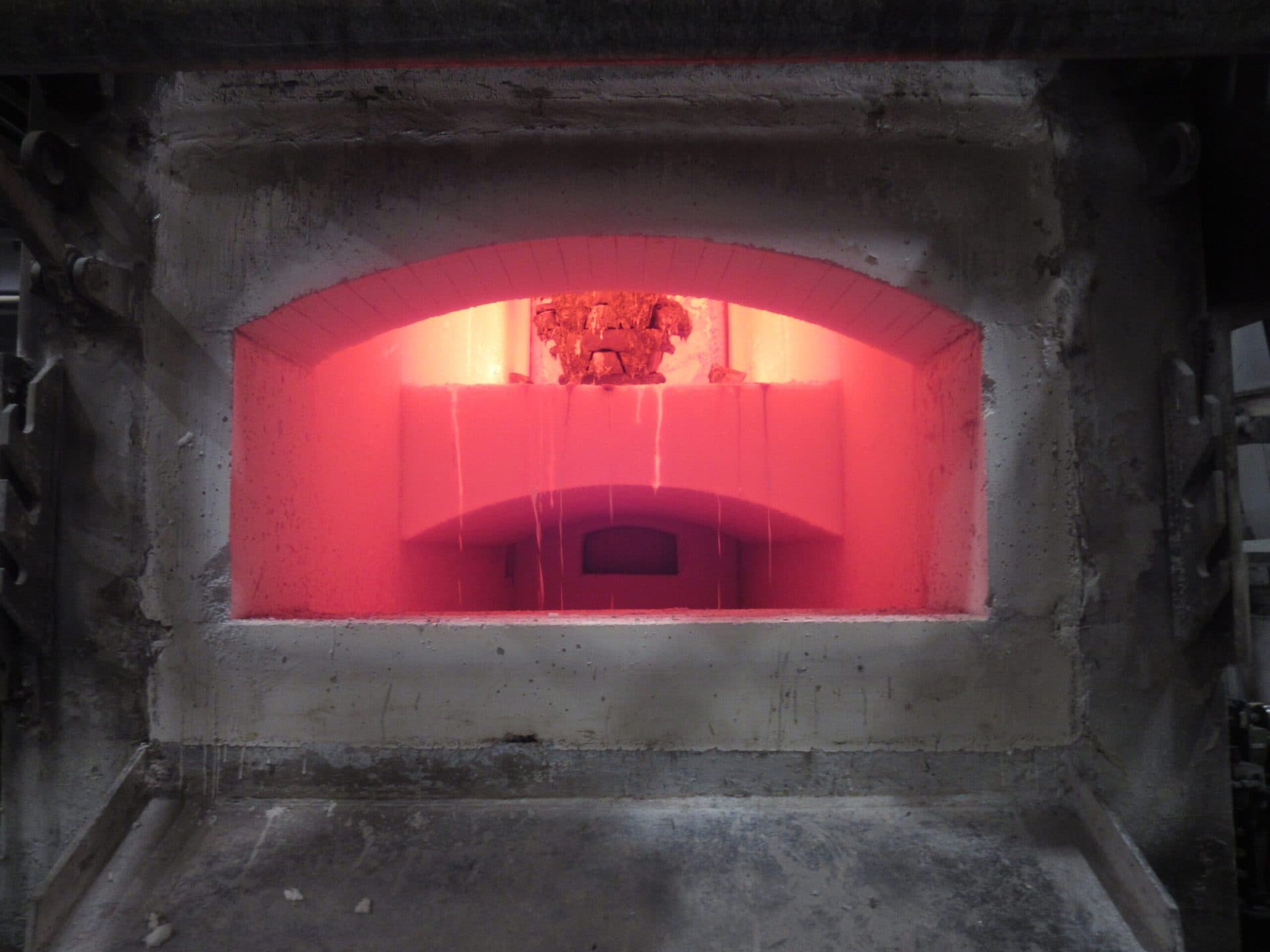
Refractory lining of muffle furnaces for precise heat treatment.
The muffle furnace is a high-precision heat treatment unit in which the charge is completely separated from the heat source and the heating gases by a gas-tight muffle. This indirect heating ensures contamination-free and particularly uniform temperature distribution — decisive for applications in fine ceramics, laboratory analysis, the electronics industry and the heat treatment of sensitive workpieces. SBS Refractory Service is your specialist company for the refractory maintenance and replacement of muffle bodies, insulation and door linings on muffle furnaces of every size.
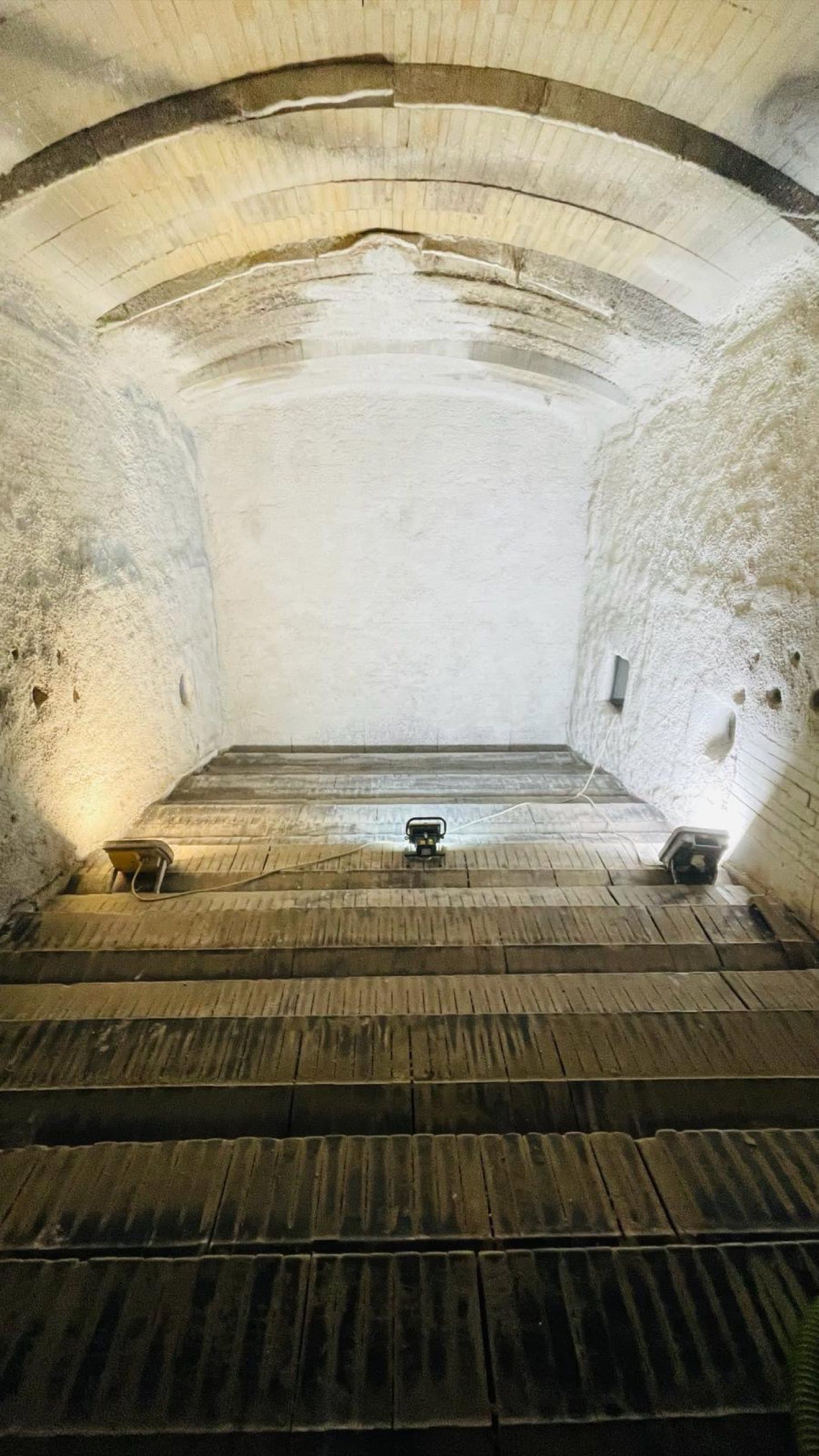
The refractory lining of a muffle furnace comprises two essential components: the muffle body itself and the surrounding insulation. The muffle body — typically of ceramic materials such as silicon carbide, corundum or mullite — is the central component and determines the process quality. It must be gas-tight, exhibit high resistance to temperature cycling and remain chemically inert towards the charge. The insulation behind the muffle minimises heat losses and protects the heating elements. Thermal cycling from frequent heat-up and cool-down cycles leads over the operating life to micro-cracks and deformation that impair the function of the muffle body.
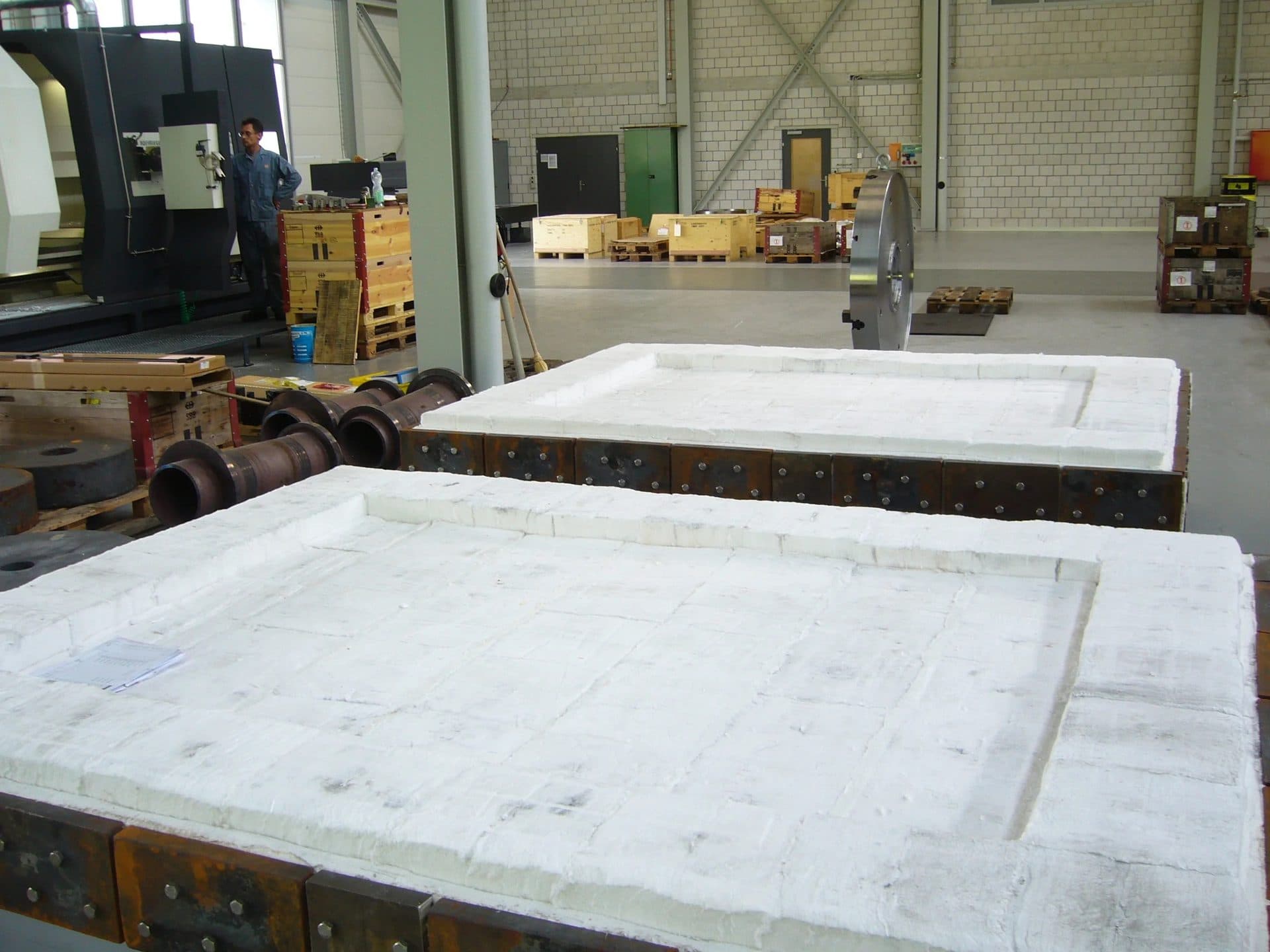
For muffle furnaces, SBS offers a comprehensive range of services: from inspection and crack assessment through ceramic repair to complete muffle replacement. Our specialists assess on site whether a repair makes economic sense or whether a new installation is the better solution. For the insulation we rely on modern ceramic fibre materials that lower energy consumption and shorten heat-up times. Every assignment is documented and the function of the muffle body is verified after completion of the work by a controlled test run.
These loads determine the choice of material and the design of the refractory lining.
Frequent heat-up and cool-down cycles generate thermal shock stresses in the ceramic muffle body. Over the operating life these lead to micro-cracks that spread and endanger the gas tightness of the muffle. Materials with high resistance to temperature cycling and a controlled heat-up extend the lifetime.
Long-term thermal loading can cause the muffle body to deform or develop through-cracks. Deformed muffles lead to an uneven temperature distribution in the firing chamber and impair process quality. Regular inspection detects this damage at an early stage.
The insulation between the muffle and the furnace housing ages under thermal loading and loses its insulating effect over time. Rising energy costs and longer heat-up times are the result. Modern ceramic fibre insulation offers significantly better long-term stability than conventional materials.
A leaking muffle allows heating gases to enter the firing chamber, which leads to oxidation or contamination of the charge. In fine ceramics and laboratory analysis in particular, this can render the entire batch unusable. Gas tightness must be checked at every inspection.
Every zone of your furnace places its own demands on temperature resistance, chemical resistance and mechanical load capacity. We select the optimum material combination.
Click on a material for details
Process chamber
Insulation
Our services for this furnace type — from complete relining to ongoing maintenance.
Our structured process guarantees quality, on-time delivery and safety in every project.
Inspection of the muffle body for cracks
Repair or replacement concept
Muffle repair or replacement
Standard furnace safety
Our specialists carry out a thorough inspection of the muffle body. The furnace is brought up to operating temperature and the temperature distribution on the outer skin is recorded with a thermographic camera — hot spots indicate weaknesses in the insulation. After cooling, the muffle body is checked visually for cracks, deformation and discolouration. Gas tightness is assessed by a pressure test. The heating elements and the door seal are also included in the assessment.
On the basis of the inspection, a decision is taken as to whether a ceramic repair is sufficient or whether a complete muffle replacement is required. For repairs, the suitable ceramic repair mixes are selected and the application procedure is defined. For a muffle replacement, the replacement body is ordered made to measure and the insulation is redesigned. The schedule is coordinated closely with your production operation in order to minimise downtime.
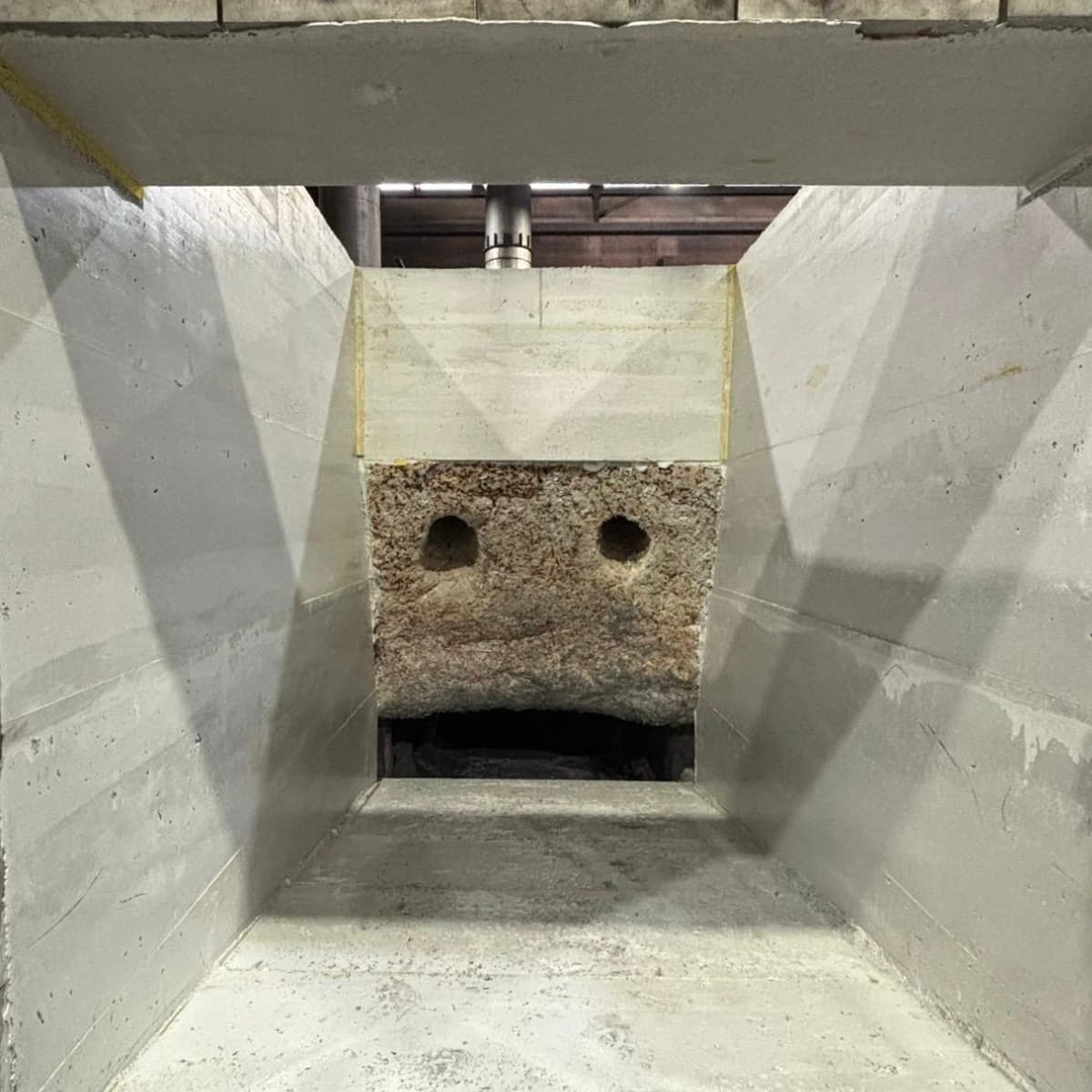
In the case of a repair, cracks are filled with special ceramic mixes and the repaired areas are dried and fired in under control. In the case of a muffle replacement, the old muffle body is carefully dismantled, the insulation is removed and the condition of the heating elements is checked. The new muffle body is positioned exactly and the insulation is rebuilt with ceramic fibre modules or boards. Finally, a controlled heat-up follows a defined drying curve.
Work on the muffle furnace requires standard furnace safety measures. Before work begins, the furnace is completely isolated electrically and secured against being switched back on. When handling ceramic fibre materials, dust protection is ensured by respirators and extraction. On completion of the work, the electrical safety of the heating elements and the control system is checked before the furnace is put back into operation.
Over 500 successfully completed refractory construction projects in the DACH region and the Benelux countries.
Muffle furnace
Everything you need to know about the Muffle furnace
Whether complete relining, repair or emergency — free initial consultation and a fast response.