Wird geladen...
Wird geladen...
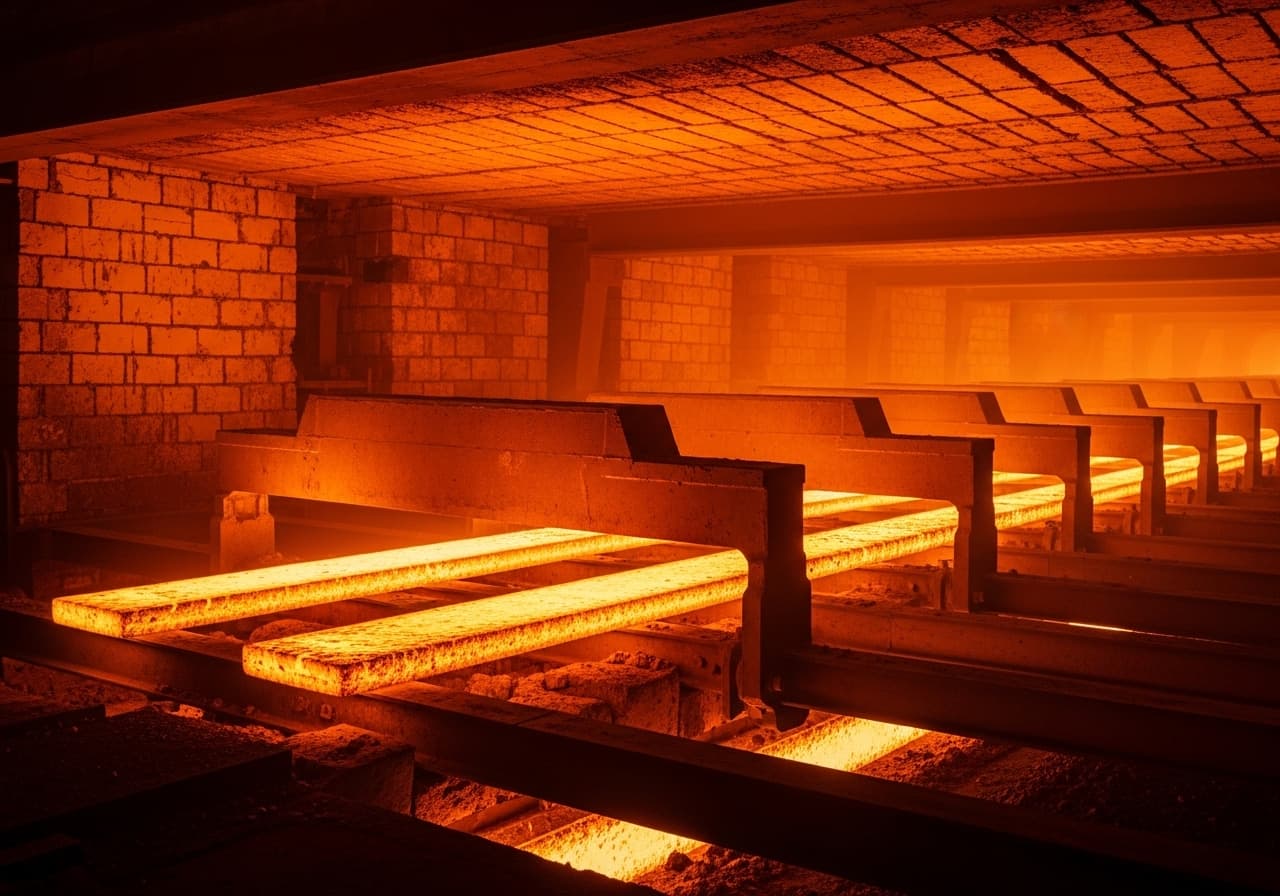
Refractory lining and maintenance of walking beam furnaces for heating slabs and billets.
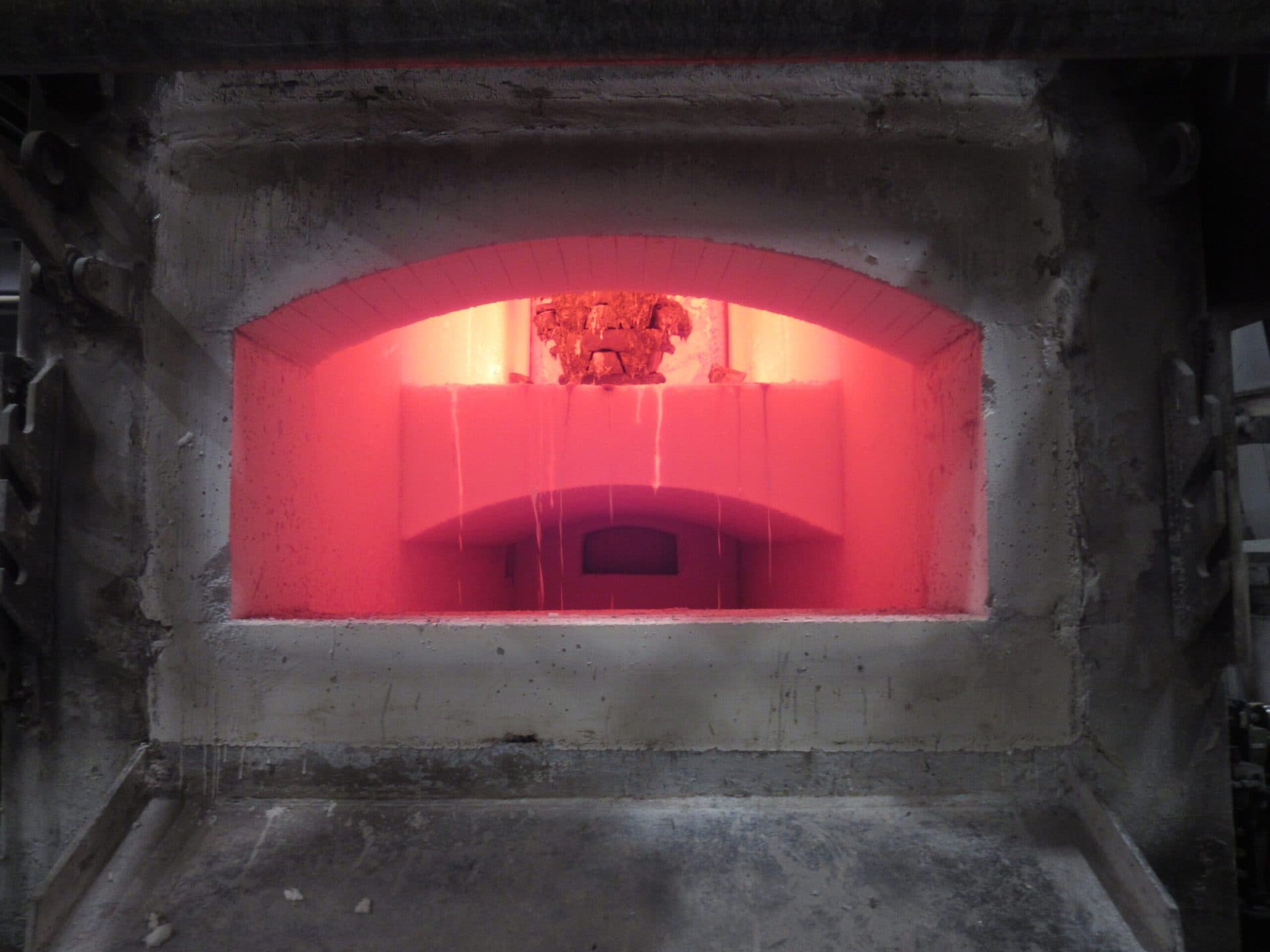
The walking beam furnace is the central heating unit in modern hot rolling mills and serves to preheat slabs, billets and blooms continuously to rolling temperature. With operating temperatures of 1,000 to 1,300 °C and a throughput of several hundred tonnes per shift, it places the highest demands on the refractory lining. SBS Refractory Service has specialised in refractory construction for walking beam furnaces for decades and serves customers in hot rolling mills and steelworks throughout Germany. Our experienced refractory installers know the specific loading profile of every furnace zone — from the heavily loaded suspended roof and the thermomechanically loaded side walls to the abrasively loaded furnace hearth — and guarantee execution on schedule with minimal loss of production.
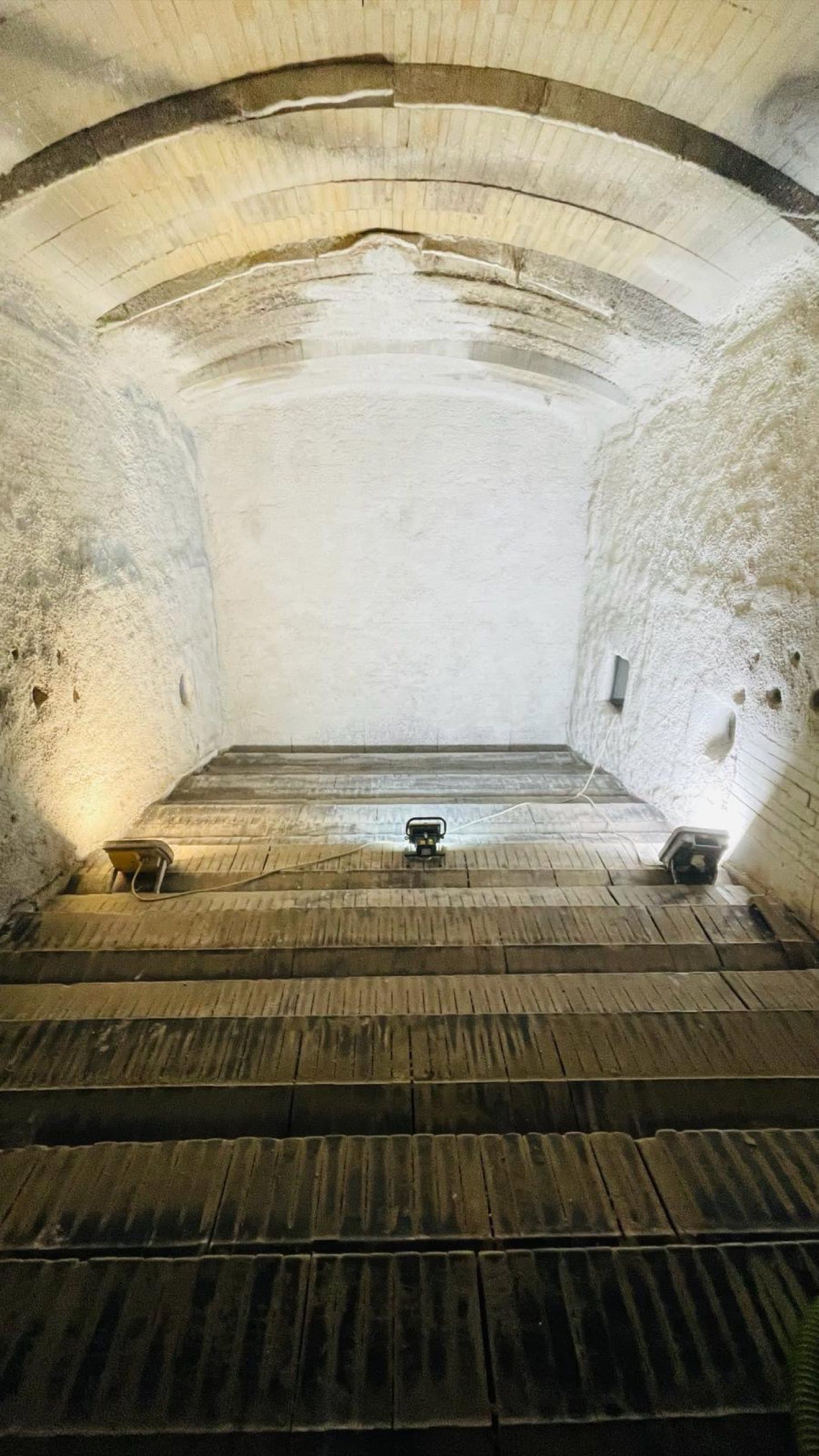
The refractory lining of a walking beam furnace is subject to a combination of thermal, mechanical and chemical loading that has few equals in industrial furnace construction. The suspended roof is exposed to permanent radiant heat of more than 1,300 °C and must at the same time carry its own weight. The walking and stationary beams are mechanically loaded by direct contact with the hot stock, while scale and slag chemically attack the furnace hearth. Temperature gradients between the furnace zones — preheating zone, heating zone and soaking zone — generate additional stresses in the lining. SBS relies on zone-specific material concepts that address each type of loading in a targeted manner and thus maximise the overall service life of the furnace lining.
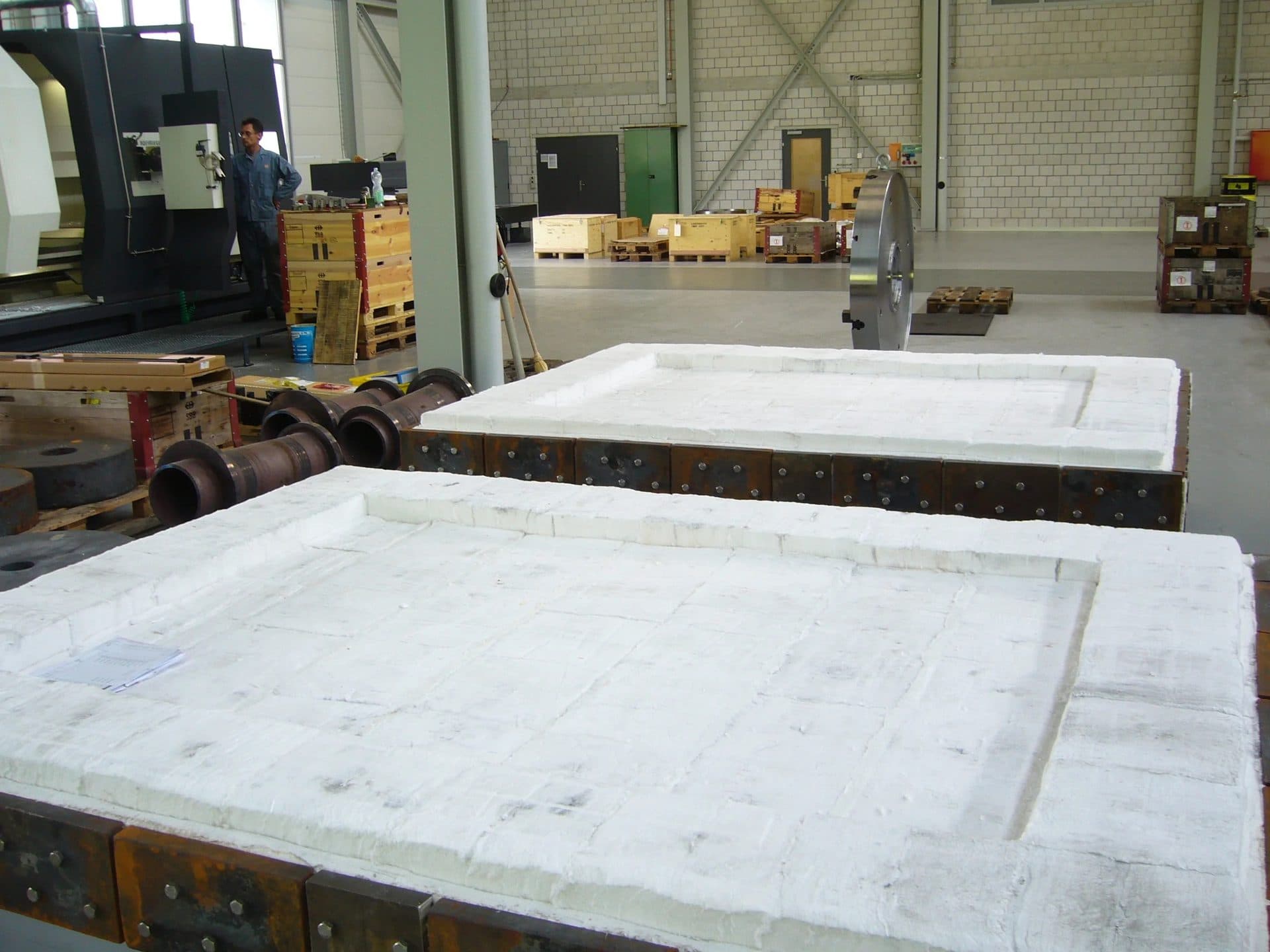
Economically optimised refractory construction on the walking beam furnace takes into account not only pure material performance but also energy efficiency and the plannability of maintenance intervals. Modern insulation concepts with ceramic fibre back-up insulation and lightweight refractory layers reduce heat losses by up to 25 per cent and lower energy consumption on a lasting basis. SBS plans repairs and complete relinings in close coordination with your production cycles, prepares detailed inspection reports with recommendations for action and documents all work seamlessly. Via our emergency hotline we can be reached at any time, including outside planned shutdowns.
These loads determine the choice of material and the design of the refractory lining.
The suspended roof is exposed to permanent radiant heat of more than 1,300 °C and must at the same time carry its own weight on the steel structure. Temperature changes during production interruptions lead to thermal shock stresses and progressive cracking.
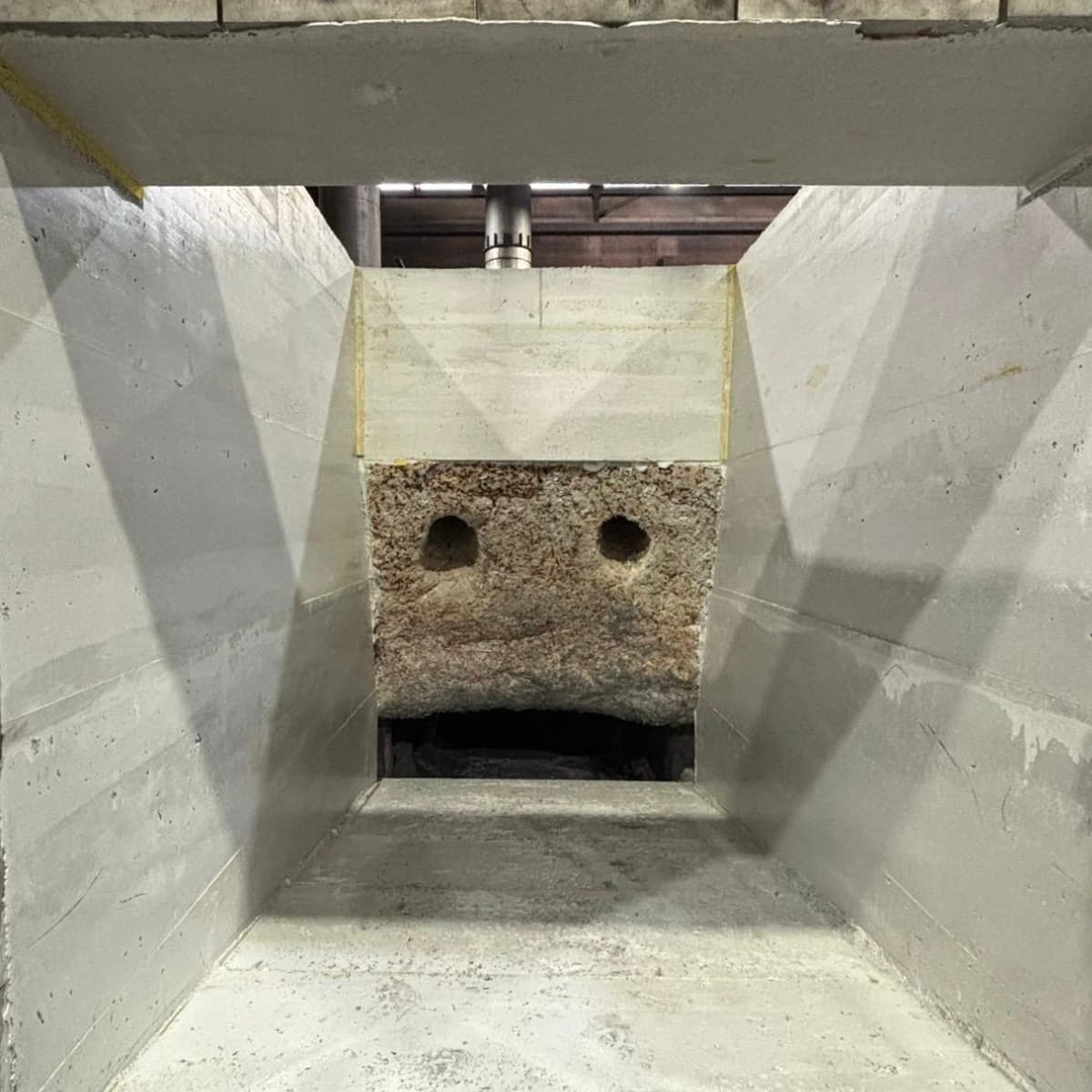
The walking beams lift the stock and set it down again, whereby the refractory cladding is exposed to mechanical abrasion and scaling through direct contact with hot slabs. Without suitable wear protection, the service life of the beam lining is considerably reduced.
Falling scale collects on the furnace hearth and reacts chemically with the refractory lining at high temperatures. This scale slag forms low-melting phases that infiltrate and break down the hearth lining.
Outdated insulation layers, or layers damaged by cracks, lead to considerable heat losses through the furnace walls and the roof. Without regular inspection and renewal of the back-up insulation, energy consumption rises by up to 30 per cent.
Every zone of your furnace places its own demands on temperature resistance, chemical resistance and mechanical load capacity. We select the optimum material combination.
Click on a material for details
Furnace roof
Walking beam skid rails
Our services for this furnace type — from complete relining to ongoing maintenance.
Our structured process guarantees quality, on-time delivery and safety in every project.
Assessment of the roof, wall and hearth lining
Repair plan with prioritisation of the worn zones
Renewal with suspended roof bricks and hearth mixes
Scaffolding work beneath the furnace roof, fall protection
Our refractory specialists carry out a comprehensive condition analysis of all furnace zones. The suspended roof is checked for cracking, sagging and loosened suspensions, while the walking and stationary beams are inspected for abrasion and scaling. The furnace hearth is examined for scale deposits and infiltration. Side walls and insulation are checked for weak points by thermography. On the basis of these data we prepare a detailed inspection report with a zone-by-zone assessment and a recommendation for action.
During the planning phase we define the zone-specific material concept and prepare a detailed construction schedule that is precisely matched to your production shutdown. Material logistics are coordinated so that all bricks, mixes and insulating materials are available on site in good time before the shutdown begins. We coordinate the sequence of trades — scaffolding, demolition, rebuild, drying — closely with your maintenance team and take parallel work by other trades into account. Manpower planning is carried out shift by shift in order to reduce the shutdown to the absolute minimum.
Execution begins with the erection of the necessary working scaffolds and the systematic demolition of the worn lining. On the suspended roof, old bricks are removed, the suspension structure is checked and new suspended roof bricks are installed correctly. The side walls are renewed zone by zone and provided with back-up insulation. The furnace hearth is cleared of scale and built up with new hearth mixes or bricks. Walking and stationary beams receive new SiC-bearing wear mixes and skid rails. Finally, controlled drying and heat-up follow a defined heat-up curve.
Work in the walking beam furnace calls for extensive safety measures. Before entry, the furnace is checked for temperature and freedom from gas and a permit is issued. Scaffolding work beneath the suspended roof requires fall protection and inspected scaffold structures in accordance with DIN EN 12811. During demolition, dust protection is ensured by extraction and personal protective equipment. All employees are given site-specific instruction before work begins and work to SCC safety standards.
Over 500 successfully completed refractory construction projects in the DACH region and the Benelux countries.
Walking beam furnace
Everything you need to know about the Walking beam furnace
Whether complete relining, repair or emergency — free initial consultation and a fast response.