Wird geladen...
Wird geladen...
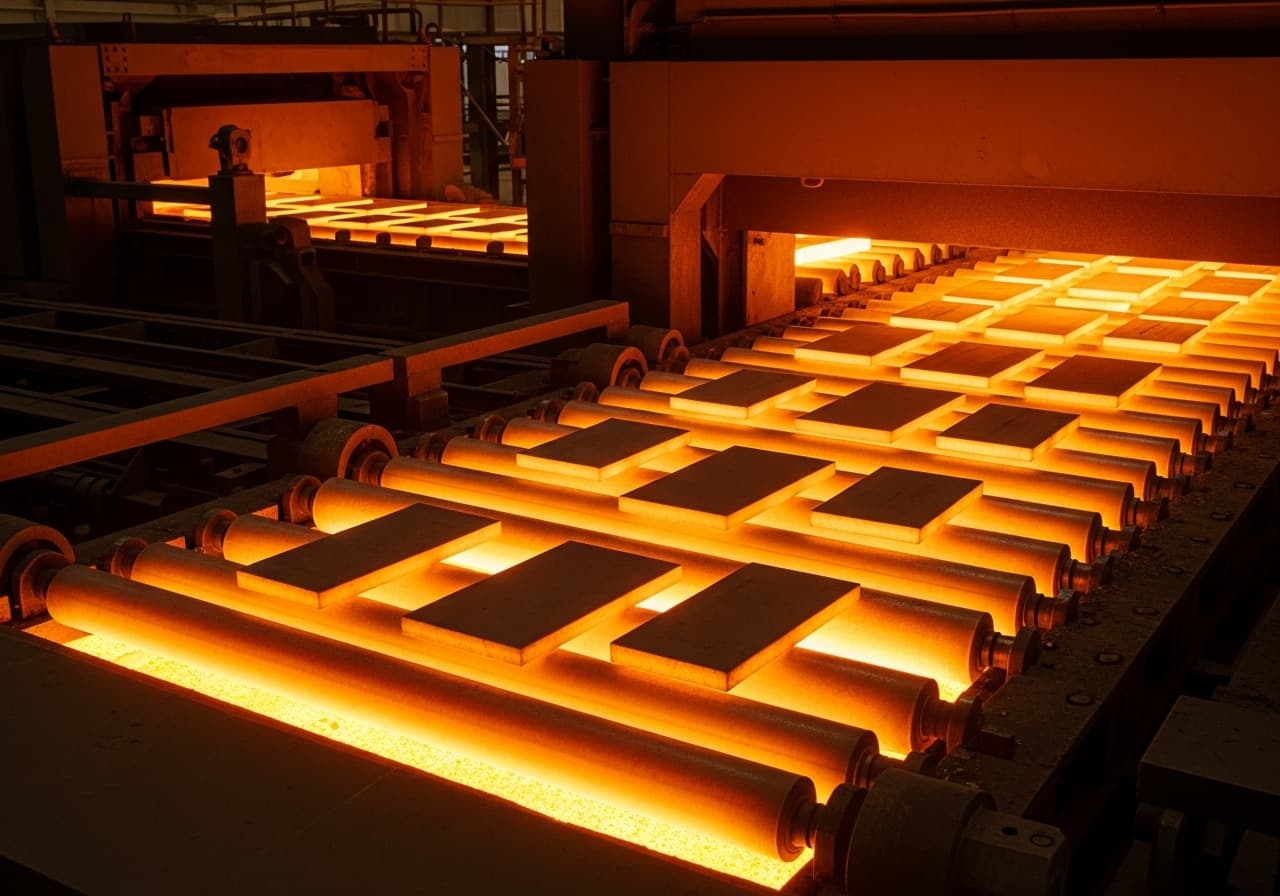
Refractory lining for the continuous heat treatment of sheet and strip.
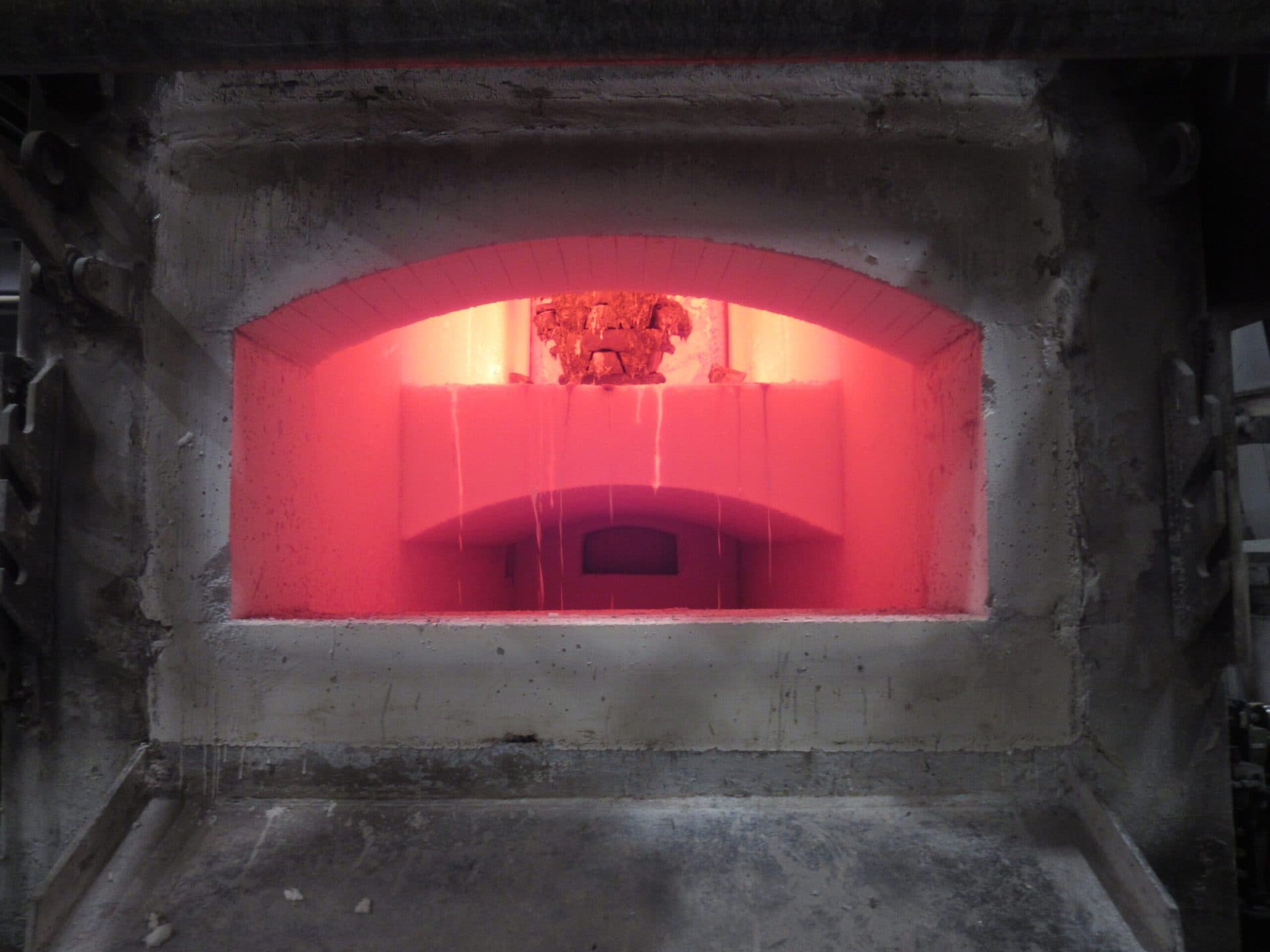
The roller hearth furnace is a versatile continuous unit for the continuous heat treatment of sheet, strip, sections and components in steel and non-ferrous metal processing. The stock is conveyed through the furnace on driven transport rollers and brought uniformly to the required treatment temperature. SBS Refractory Service specialises in refractory construction for roller hearth furnaces of every size and application — from compact continuous furnaces in sheet metal processing to large-format strip treatment lines. Our refractory installers have mastered the particular requirements of this furnace type, especially the correct sealing of the numerous roller openings and the energy-optimised lining of the wall and roof areas.
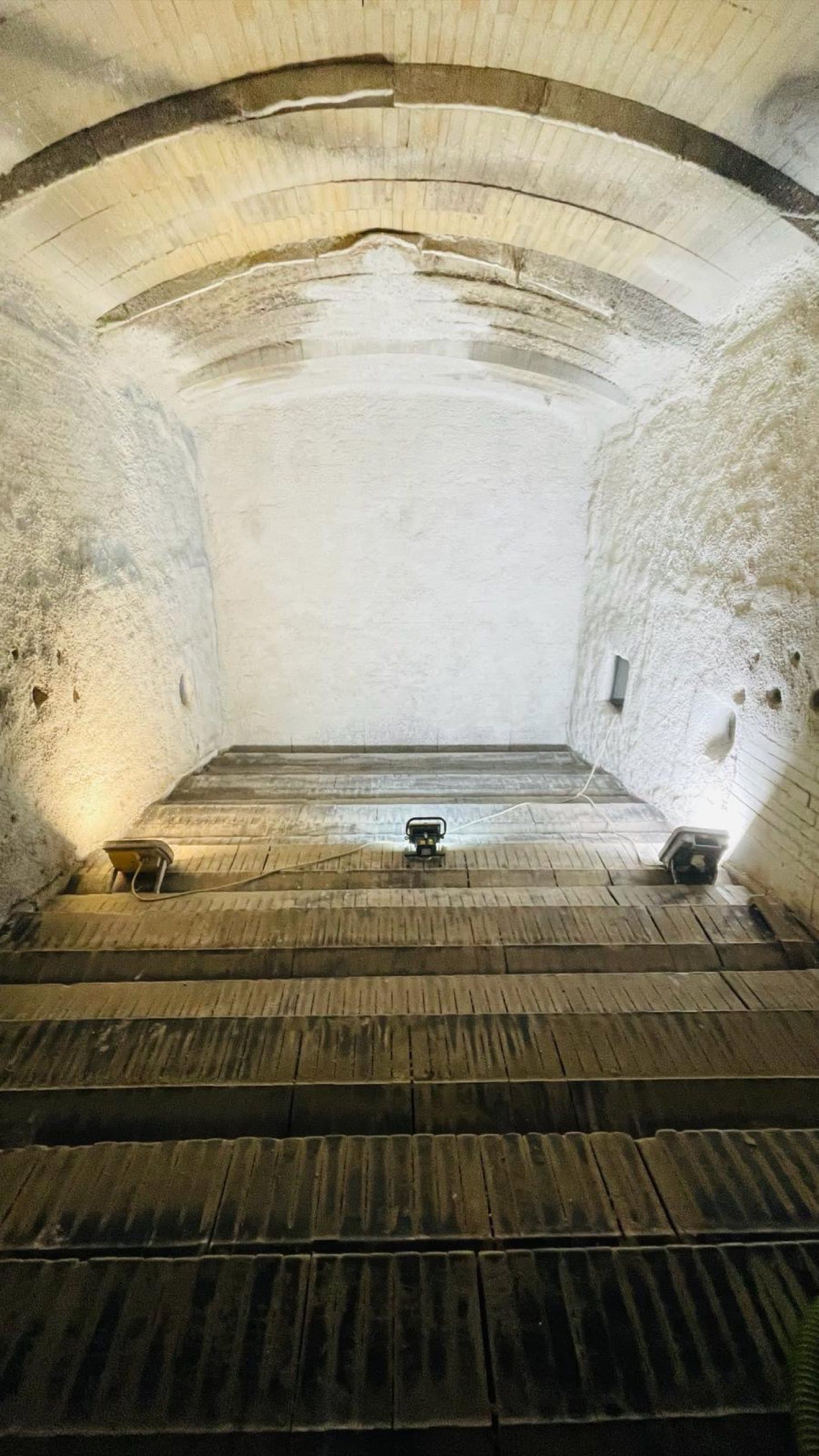
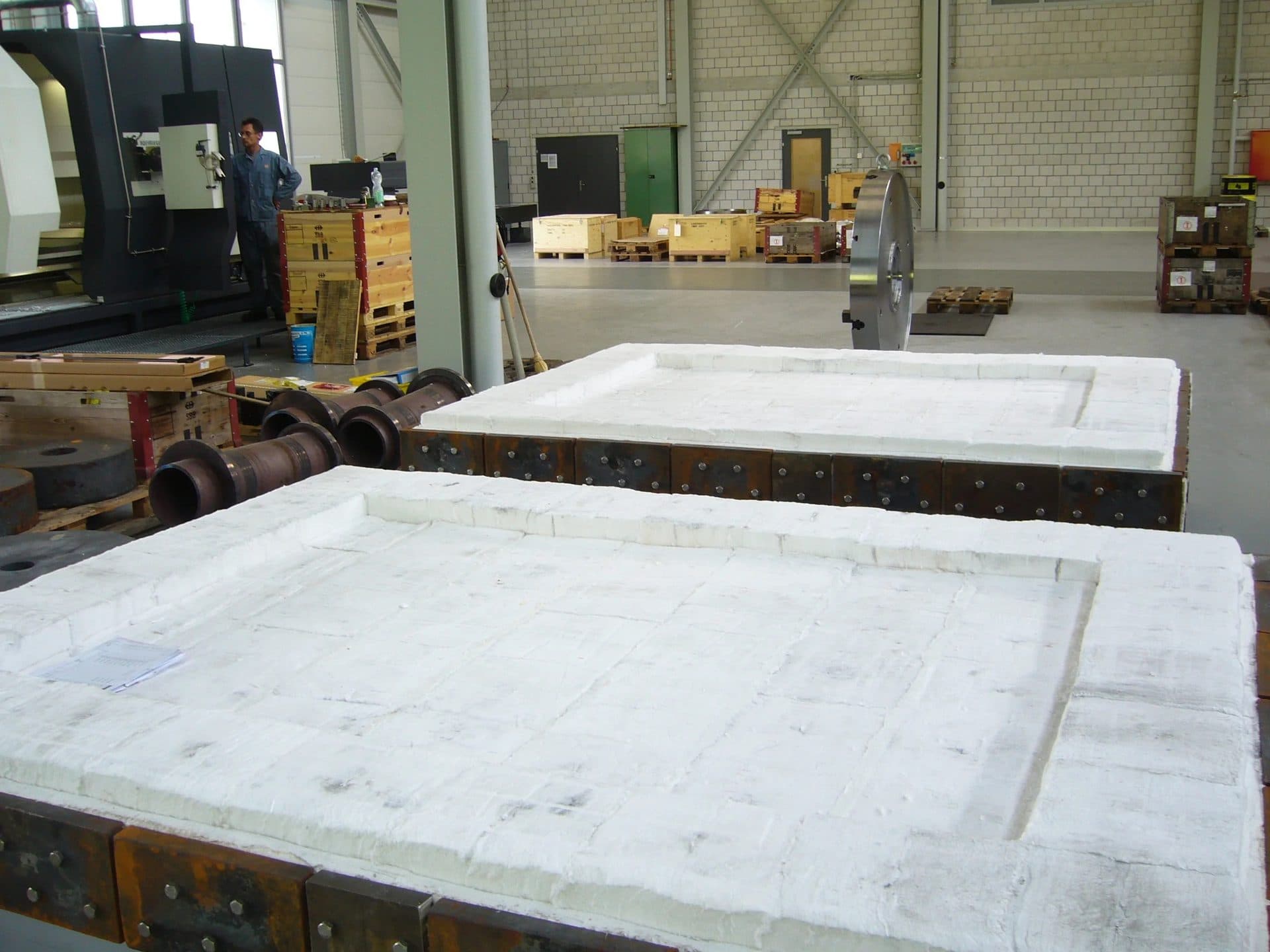
The refractory lining in the roller hearth furnace differs fundamentally from other continuous furnaces: the large number of roller openings in the side walls constitutes a permanent weak point for heat losses and the ingress of false air. Every single roller penetration must be sealed in such a way that it permits rotation of the roller while at the same time minimising heat exchange with the surroundings. At operating temperatures of 800 to 1,100 °C, lightweight refractory bricks and ceramic fibre modules are used which, through their low weight, relieve the supporting structure and, through their low heat storage capacity, permit rapid temperature changes. SBS relies on proven sealing systems and insulation concepts that achieve energy savings of 15 to 30 per cent compared with conventional linings.
The economic optimisation of a roller hearth furnace calls for an integrated refractory concept combining material selection, insulation structure and maintenance strategy. SBS analyses the actual condition of your furnace lining, identifies energy losses by thermography and develops a refurbishment concept that maximises service life and energy efficiency. Particular attention is paid to the entry and exit areas, where temperature changes and mechanical loading from the entering and leaving stock cause the highest wear. All work is documented seamlessly and carried out to standard industry safety standards.
These loads determine the choice of material and the design of the refractory lining.
Every transport roller penetrates the furnace side wall and creates an unavoidable gap between the rotating roller and the fixed lining. False air enters and heat escapes through these gaps, which increases energy consumption and adversely affects the furnace atmosphere.
The entry and exit areas are exposed to severe temperature cycling, since cold stock enters and hot stock leaves. These cyclic temperature changes lead to thermal shock loading and accelerated wear of the lining in these zones.
Older roller hearth furnaces are frequently insulated with conventional fireclay linings, which have a high heat storage capacity and correspondingly high heat losses. Modernisation with lightweight refractory and fibre insulation lowers energy consumption significantly.
In the event of uneven heating, transport rollers can deform and press against the lining of the roller openings. This leads to local break-outs and enlarges the sealing gaps, triggering a vicious circle of rising heat losses and further wear.
Every zone of your furnace places its own demands on temperature resistance, chemical resistance and mechanical load capacity. We select the optimum material combination.
Click on a material for details
Wall and roof lining
Low-temperature zones
Our services for this furnace type — from complete relining to ongoing maintenance.
Our structured process guarantees quality, on-time delivery and safety in every project.
Inspection of the roller openings and seals
Coordination of the repair scope
Renewal of the lining and roller seals
Securing of the roller drives
The condition analysis of the roller hearth furnace covers the inspection of all roller openings for tightness and wear, the assessment of the wall and roof lining for cracks and spalling, and a thermographic examination of the outer surfaces to identify thermal bridges. The entry and exit areas are checked particularly thoroughly for thermal shock damage. We document the condition of every furnace zone photographically and prepare a wear profile with a prioritised recommendation for immediate measures and medium-term refurbishment.
Repair planning takes into account the furnace type, the production requirements and the available shutdown window. We determine which roller openings are to be resealed, which wall sections are to be renewed and where the insulation needs to be improved. The material concept is matched to the respective temperature zone — lightweight refractory bricks for the main zones, ceramic fibre modules for low-temperature areas and special seals for the roller penetrations. The construction schedule is drawn up so that the furnace is ready for operation on the agreed date.
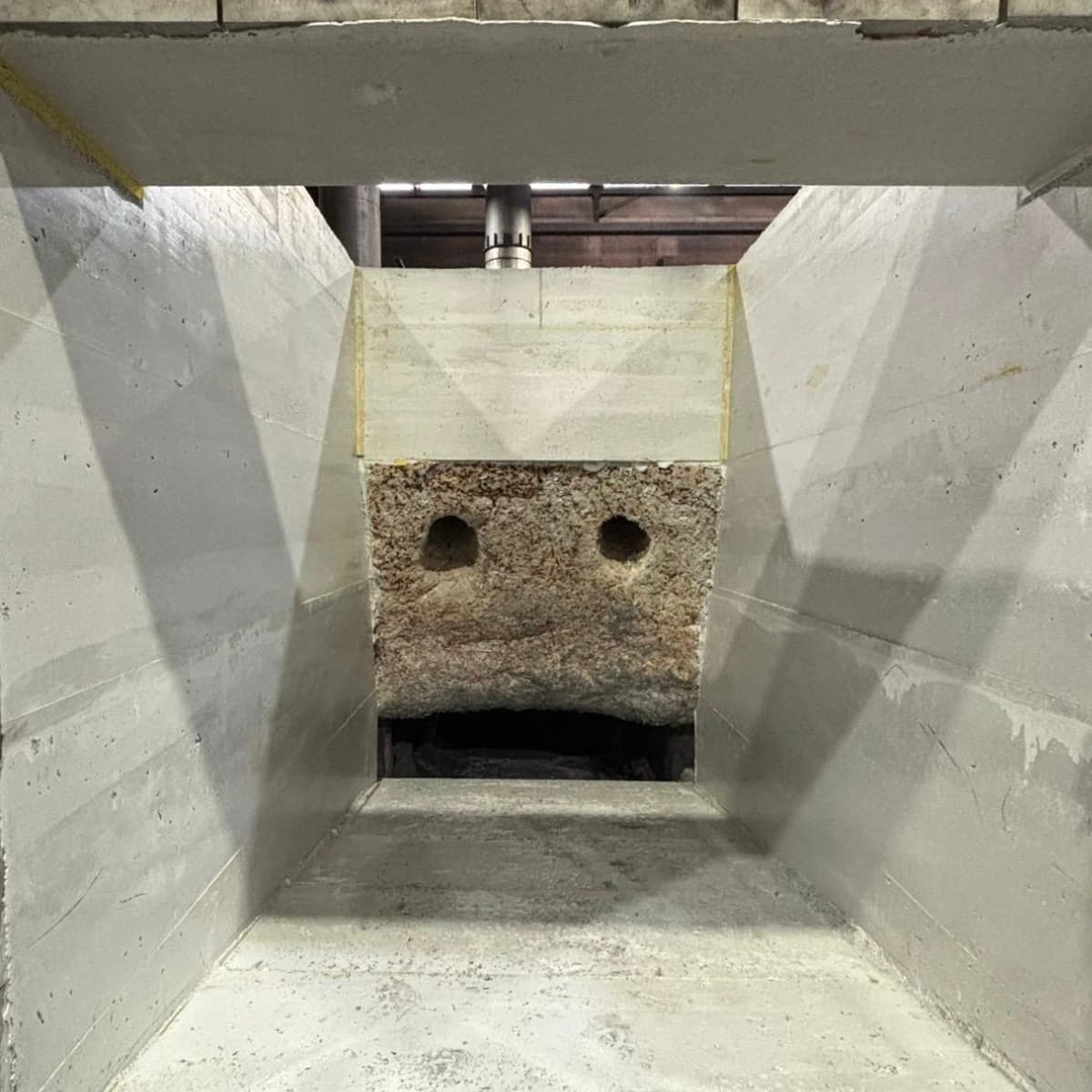
Execution begins with the removal of the worn sealing elements at the roller openings and the section-by-section demolition of the old wall and roof lining. After checking the supporting structure for deformation, the new lightweight refractory bricks or ceramic fibre modules are installed and the back-up insulation is renewed. Every roller opening receives a new sealing system that takes account of thermal expansion and the rotation of the roller. Finally, the lining is dried under control and the furnace is brought into operation following a defined heat-up curve.
Before work begins, all roller drives are electrically switched off and secured against being switched back on. The furnace is ventilated and the temperature checked before an entry permit is issued. During work inside the furnace, escape and rescue routes are kept clear and continuous communication with the safety attendant outside the furnace is ensured. Dust protection measures during demolition and personal protective equipment to SCC standard are a matter of course.
Over 500 successfully completed refractory construction projects in the DACH region and the Benelux countries.
Roller hearth furnace
Everything you need to know about the Roller hearth furnace
Whether complete relining, repair or emergency — free initial consultation and a fast response.