Wird geladen...
Wird geladen...
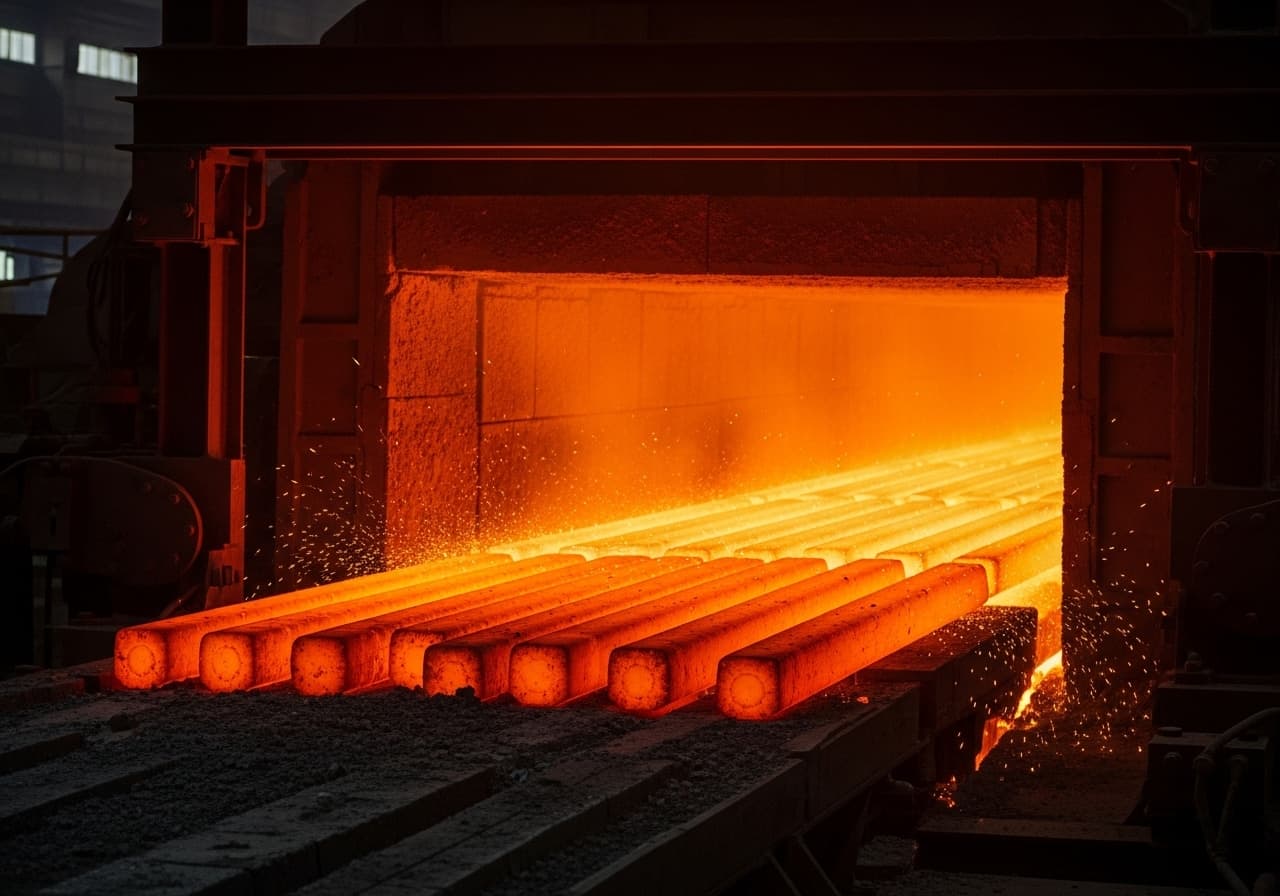
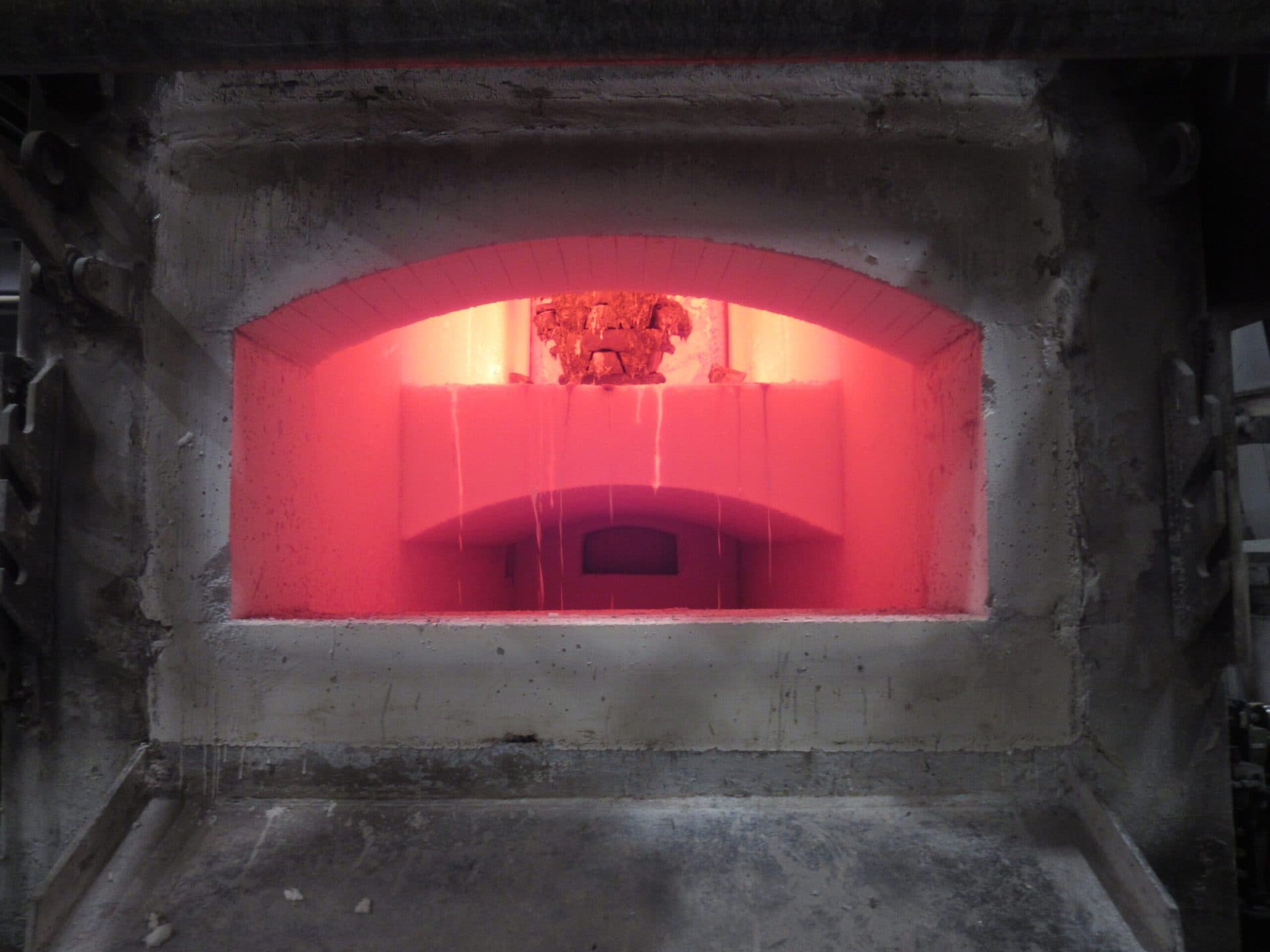
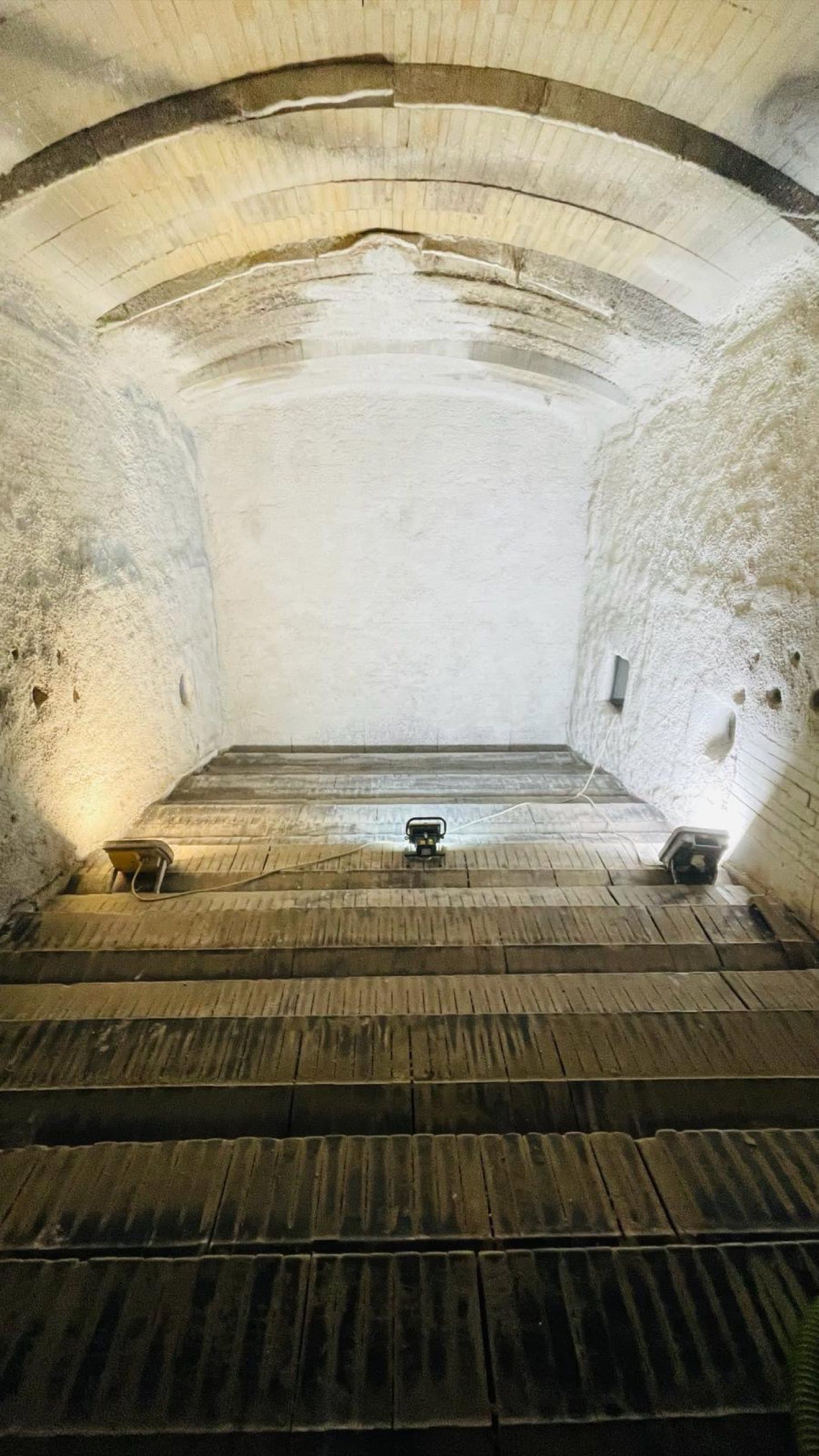
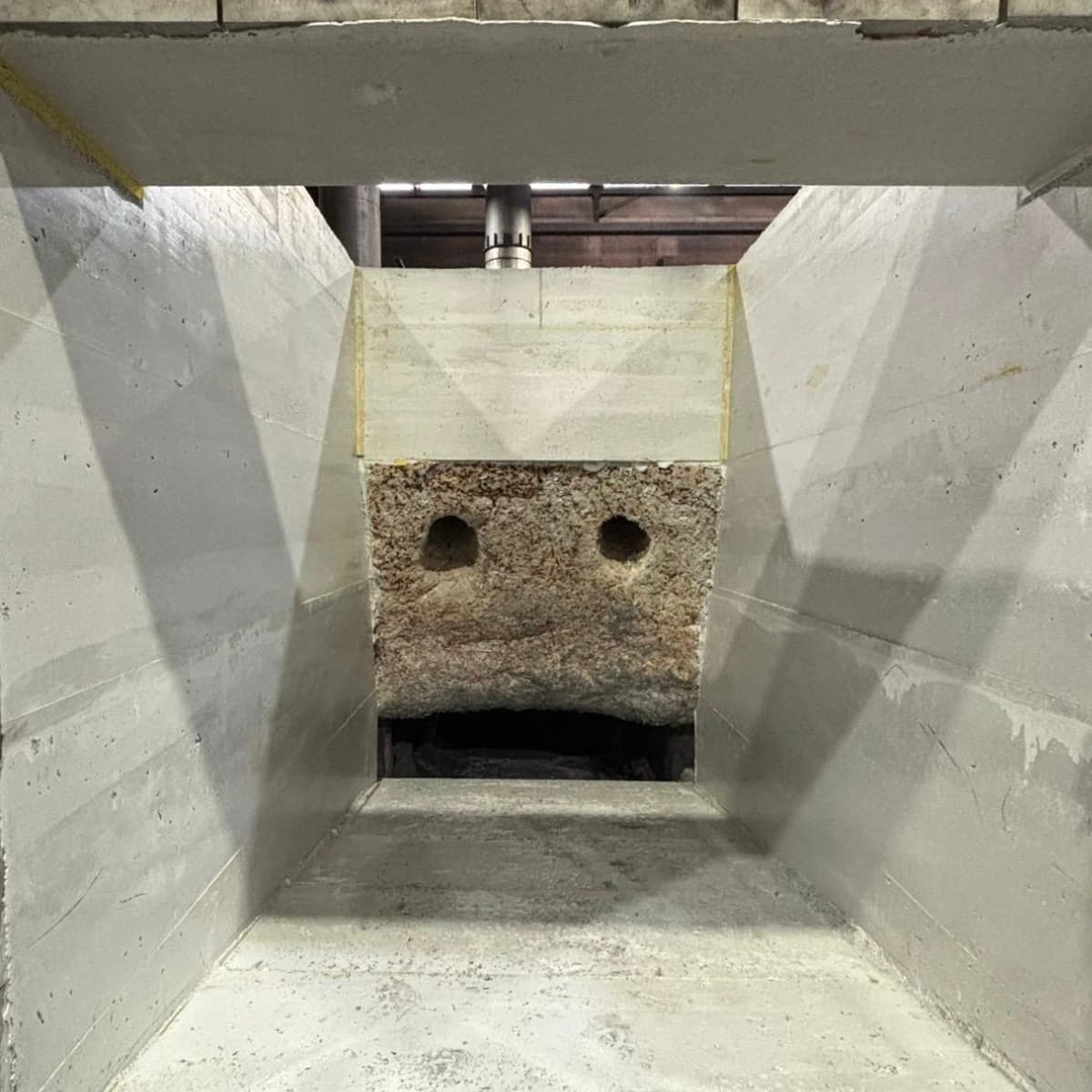
Refractory lining of pusher furnaces for heating semi-finished steel products in rolling mills.
The pusher furnace is a proven continuous unit in rolling mills for long and flat products and serves to heat billets, slabs and blooms to rolling temperature. The stock is pushed through the furnace on water-cooled skid rails, passing through three thermally distinct zones: preheating zone, heating zone and soaking zone. SBS Refractory Service has many years of experience in refractory construction for pusher furnaces of every size and guarantees professional execution that optimises service life and energy efficiency in equal measure. Our refractory installers know the specific wear mechanisms of every furnace zone and apply material and design concepts that meet the requirements of continuous pusher operation.
The refractory lining in the pusher furnace is exposed to a combination of thermal, mechanical and chemical loading that varies strongly from zone to zone. In the heating zone temperatures reach up to 1,300 °C, while the preheating zone is subject to severe temperature cycling. The mechanical contact between the stock pushed along the skid rails and the lining causes abrasion in the hearth zone, while falling scale attacks the refractory materials chemically. The transition area between the heating and soaking zone is particularly critical, where thermal gradients and mechanical loading come together. SBS relies on zone-specific material concepts with matched brick qualities and insulating layers that meet these differentiated requirements.
The economic significance of a high-quality refractory lining in the pusher furnace results from its direct effect on production capacity and energy costs. A damaged lining leads to heat losses, uneven heating of the stock and ultimately to quality problems in the subsequent rolling process. For every pusher furnace, SBS prepares an individual maintenance concept covering scheduled inspections, zone-by-zone repairs and complete relinings optimised in terms of scheduling. Complete documentation of all work and documented safety standards are a matter of course for us.
These loads determine the choice of material and the design of the refractory lining.
The stock is pushed through the furnace over water-cooled skid rails, whereby the direct contact between hot steel and the lining leads to considerable mechanical abrasion. The hearth areas between the skid rails in particular are exposed to this wear mechanism.
Strong temperature gradients occur at the transitions between the preheating, heating and soaking zones and lead to thermal stresses and cracking in the lining. These transition areas call for particularly thermal-shock-resistant materials and flexible expansion joints.
During heating, scale forms on the stock and falls between the skid rails onto the furnace hearth. At furnace temperature this scale reacts with the refractory lining and forms low-melting compounds that break down the hearth.
The furnace roof in the heating zone is exposed to permanent radiant heat of up to 1,300 °C. Suspended roof bricks are subject to thermal shock loading during production interruptions, which can lead to spalling and, in the worst case, to individual bricks falling out.
Every zone of your furnace places its own demands on temperature resistance, chemical resistance and mechanical load capacity. We select the optimum material combination.
Click on a material for details
Heating and soaking zone
Back-up insulation
Our services for this furnace type — from complete relining to ongoing maintenance.
Our structured process guarantees quality, on-time delivery and safety in every project.
Inspection of the furnace zones for wear
Zone-by-zone repair planning
Renewal of the lining zone by zone
Ventilation before entry, securing against sliding stock
Our refractory specialists carry out a zone-by-zone inspection of the entire pusher furnace. In the preheating zone, crack patterns and open joints are documented; in the heating zone, the suspended roof is checked for sagging and loose bricks; and in the soaking zone the residual lining thickness is measured. The furnace hearth is examined for scale deposits and infiltration zones, and the skid rails are inspected for deformation and wear. Thermographic images of the outer shell reveal weaknesses in the insulation. The inspection report contains a zone-by-zone assessment with a prioritisation of the repair measures.
On the basis of the inspection we determine which zones are to be completely renewed and which are to be repaired locally. The material concept is planned zone by zone: high-refractory bricks for the heating zone, thermal-shock-resistant qualities for the preheating zone and abrasion-resistant hearth mixes for the skid area. The construction schedule is matched precisely to the planned production shutdown, with the cooling and heat-up phases included in the planning. Material ordering and manpower planning are carried out with sufficient lead time to avoid bottlenecks.
After controlled cooling, execution begins with the zone-by-zone demolition of the worn lining. The hearth is cleared of scale deposits and, where necessary, built up with new hearth mixes. Side walls are broken out section by section and rebuilt with new refractory bricks and back-up insulation. The suspended roof is renewed brick by brick, with the suspension structures being checked and replaced where necessary. Once the bricklaying is complete, all expansion joints are formed correctly and the lining is dried and heated up under control following a defined heat-up curve.
Before work begins, the furnace is checked for sufficient cooling and an entry permit is issued. Ventilation of the furnace chamber is ensured by mechanical ventilation and monitored with gas measuring instruments. Particular attention is paid to securing against sliding stock, which may still be inside the furnace when work starts. All burner and gas supply lines are shut off and secured against being switched back on. The work is carried out in compliance with SCC safety standards with full personal protective equipment.
Over 500 successfully completed refractory construction projects in the DACH region and the Benelux countries.
Pusher furnace
Everything you need to know about the Pusher furnace
Whether complete relining, repair or emergency — free initial consultation and a fast response.