Wird geladen...
Wird geladen...
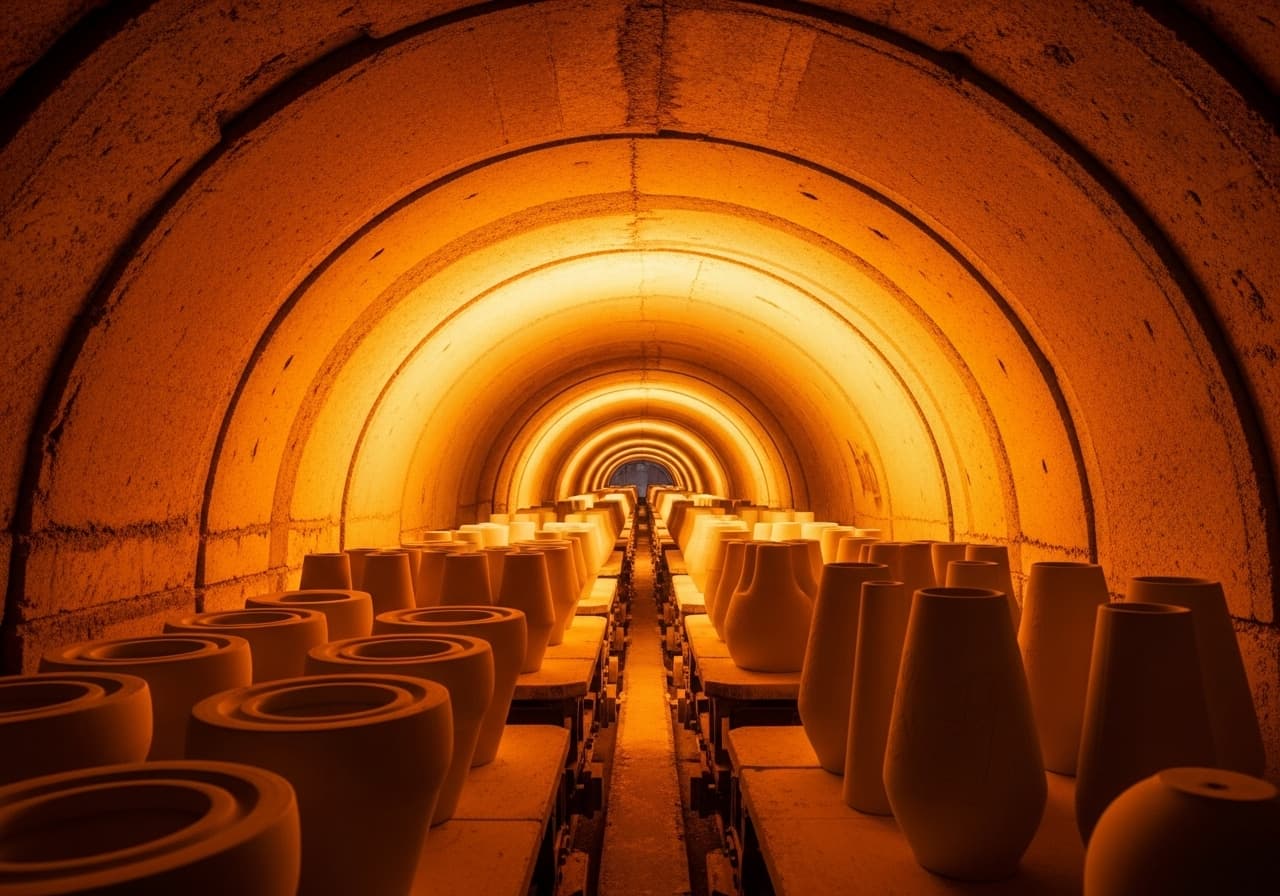
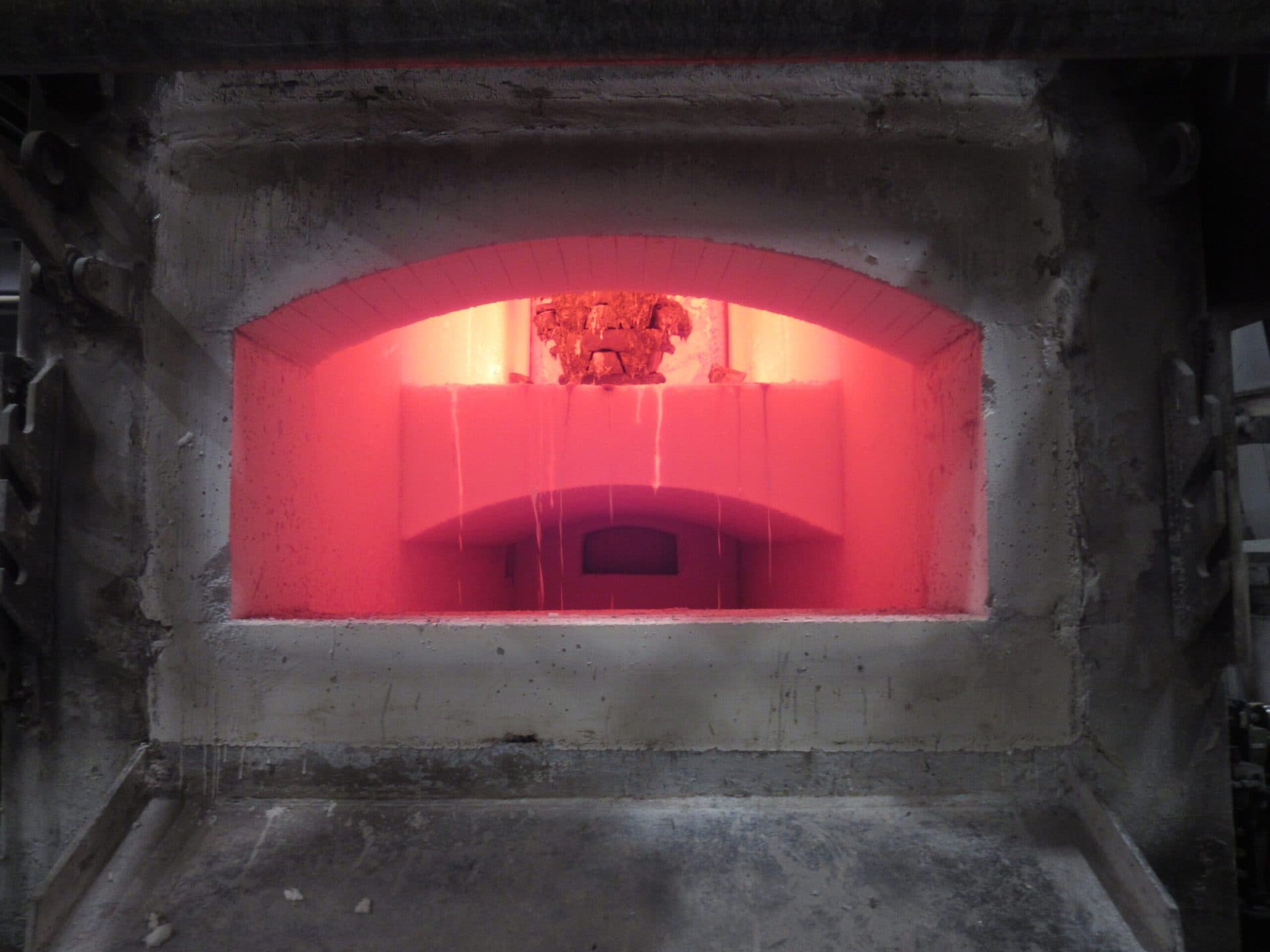
Refractory lining of tunnel kilns for the ceramics and brick industry.
The tunnel kiln is the central firing unit in the ceramics and brick industry and permits the continuous firing of large product quantities at temperatures of up to 1,400 °C. SBS Refractory Service has specialised in refractory construction for tunnel kilns for decades and serves customers from the entire ceramics industry — from brickworks and sanitaryware manufacturers through to producers of technical ceramics. Our experienced teams know the specific requirements of the different kiln zones and guarantee execution on schedule with minimal interruption to production.
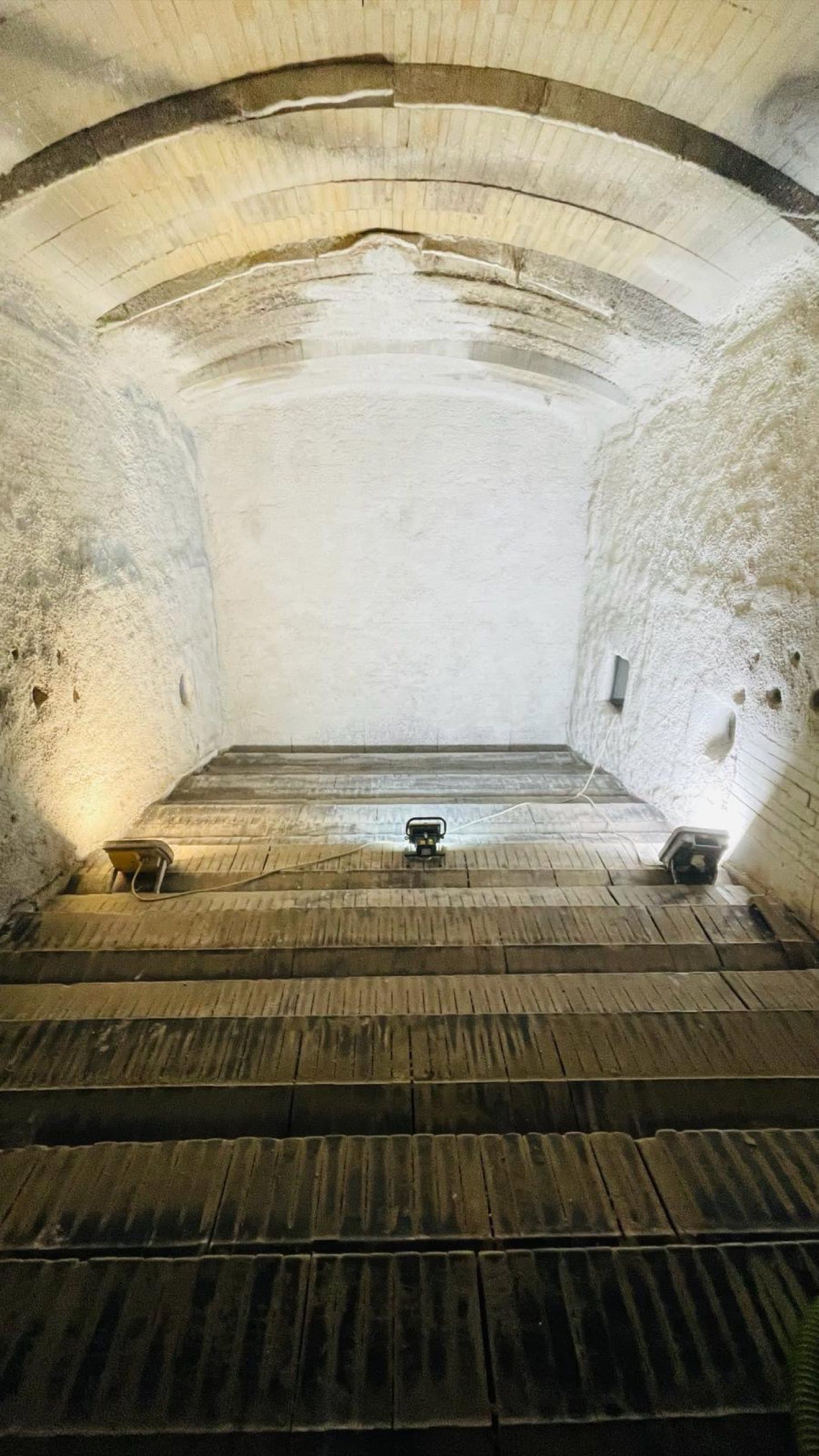
With lengths of 50 to more than 150 metres, tunnel kilns are among the largest heat treatment plants in industry. The refractory lining has to withstand a wide variety of loads: severe temperature changes occur in the preheating zone, the firing zone is permanently exposed to the highest temperatures, and in the cooling zone temperature gradients cause thermomechanical stresses. Added to this is the mechanical loading from the kiln cars passing through, whose sand seal represents a permanent wear element. SBS relies on zone-specific material concepts that address each type of loading in the best possible way.
An economically optimised refractory solution for tunnel kilns takes into account not only pure material quality but also energy efficiency and total operating costs. Modern insulating materials and optimised wall structures can lower energy consumption by 15–30 % and ensure payback within one to two years. SBS analyses your kiln operation holistically and recommends lining concepts that maximise service life and energy efficiency. All work is documented seamlessly and carried out to standard industry safety standards.
These loads determine the choice of material and the design of the refractory lining.
The arch is permanently exposed to high temperatures and radiant heat, which lead to cracking and displacement of bricks. Regular inspections and zone-specific material selection are decisive for service life.
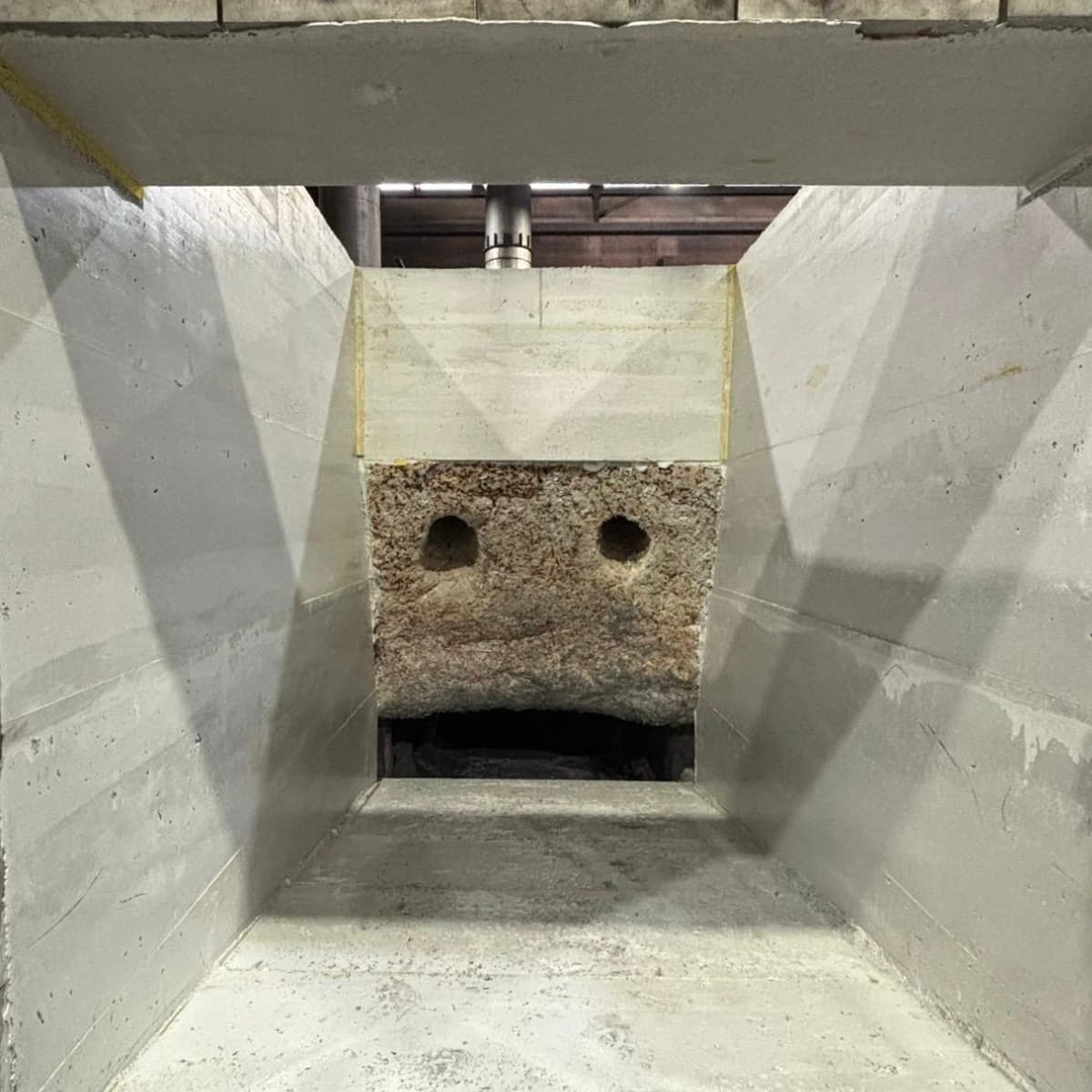
The sand seal seals the gap between the kiln wall and the kiln car passing through. Mechanical abrasion and loss of sand lead to the ingress of false air and to energy losses, which is why regular maintenance is indispensable.
The preheating, firing and cooling zones have fundamentally different thermal requirements. Temperature gradients of several hundred degrees over just a few metres generate stresses in the lining and call for zone-specific material concepts.
Falling product residues and scale are deposited on the tunnel floor and attack the refractory lining chemically. This leads to unevenness that impairs kiln car traffic and reduces product quality.
Every zone of your furnace places its own demands on temperature resistance, chemical resistance and mechanical load capacity. We select the optimum material combination.
Click on a material for details
Preheating and cooling area
Firing zone
Our services for this furnace type — from complete relining to ongoing maintenance.
Our structured process guarantees quality, on-time delivery and safety in every project.
Inspection of the arch and the sand seal
Planning that takes the kiln length into account
Section-by-section repair
Ventilation, protection against kiln car traffic
Our refractory specialists carry out a systematic condition analysis of the entire tunnel kiln. The arch, side walls, tunnel floor and sand seal are inspected section by section and wear points are documented. Particular attention is paid to cracking in the arch, open joints in the side walls and the condition of the sand seal. Thermographic measurements of the outer kiln skin reveal insulation defects and thermal bridges. On the basis of these data we prepare a prioritised plan of measures.
During the planning phase we define the zone-specific material concepts and match the scope of repair to your production planning. On tunnel kilns, section-by-section repair is common practice — we give priority to the most heavily worn zones and plan further sections for later shutdowns. The construction schedule takes into account the cooling and heat-up times of the kiln as well as the logistics for material delivery and disposal of the old lining. All materials are specified in advance and checked for availability.
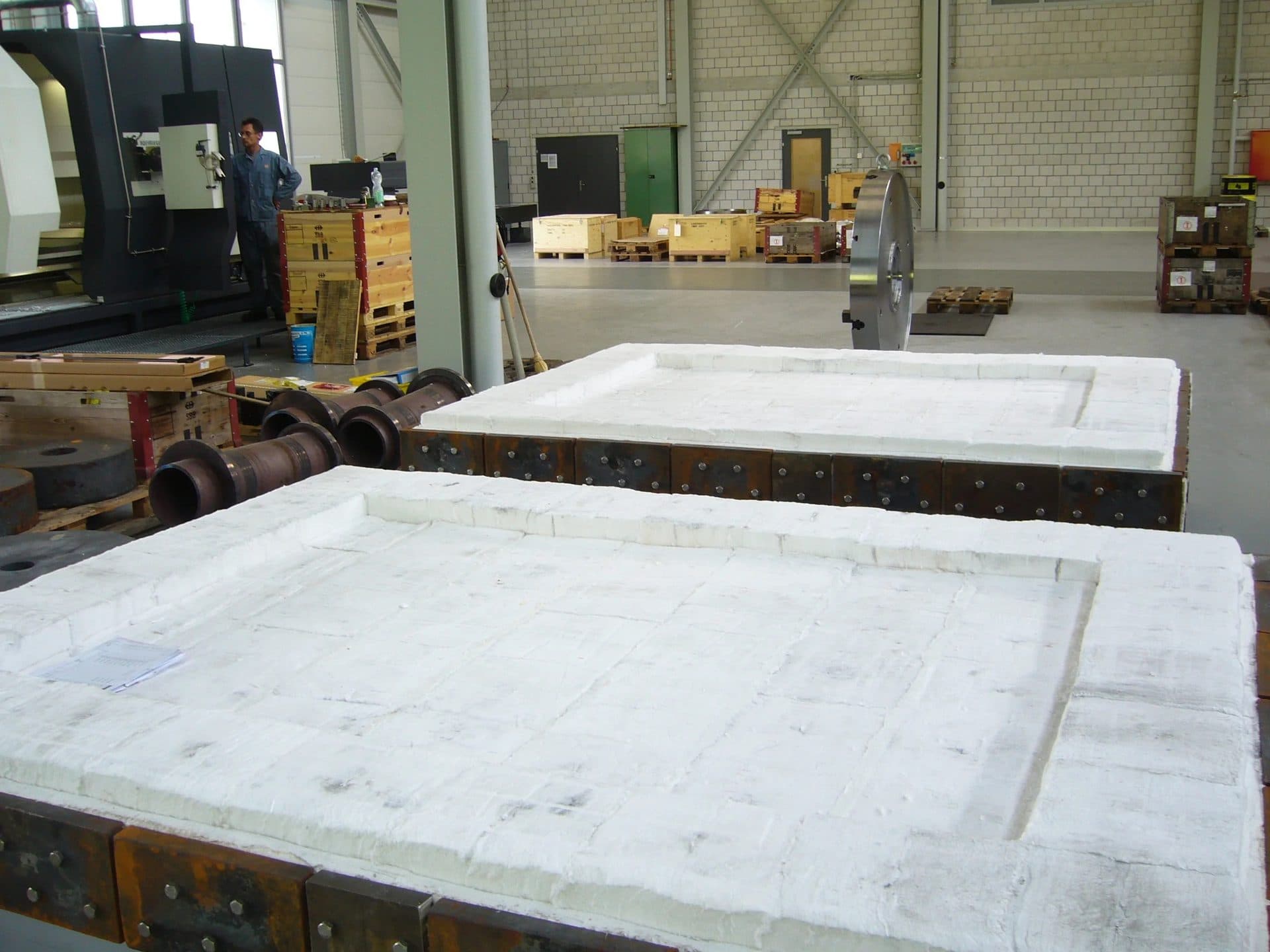
Execution begins with the controlled cooling of the kiln section concerned and the demolition of the worn lining. After cleaning and inspection of the supporting structure, the rebuild follows: arch bricks are laid in refractory mortar, side walls are renewed and the sand seal is refurbished. For insulation work, modern lightweight refractory and ceramic fibre materials are installed behind the wear layer. Finally, the kiln is brought back into operation under control following a defined heat-up curve.
All work in the tunnel kiln is carried out in strict compliance with the safety regulations. Before the tunnel is entered, the temperature is checked, adequate ventilation is ensured and kiln car traffic is stopped. The regulations for work in confined spaces with a permit procedure apply. Scaffolding work beneath the arch requires fall protection and inspected scaffold systems. Personal protective equipment including heat-protective clothing and respiratory protection is used consistently.
Over 500 successfully completed refractory construction projects in the DACH region and the Benelux countries.
Tunnel kiln
Everything you need to know about the Tunnel kiln
Whether complete relining, repair or emergency — free initial consultation and a fast response.