Wird geladen...
Wird geladen...
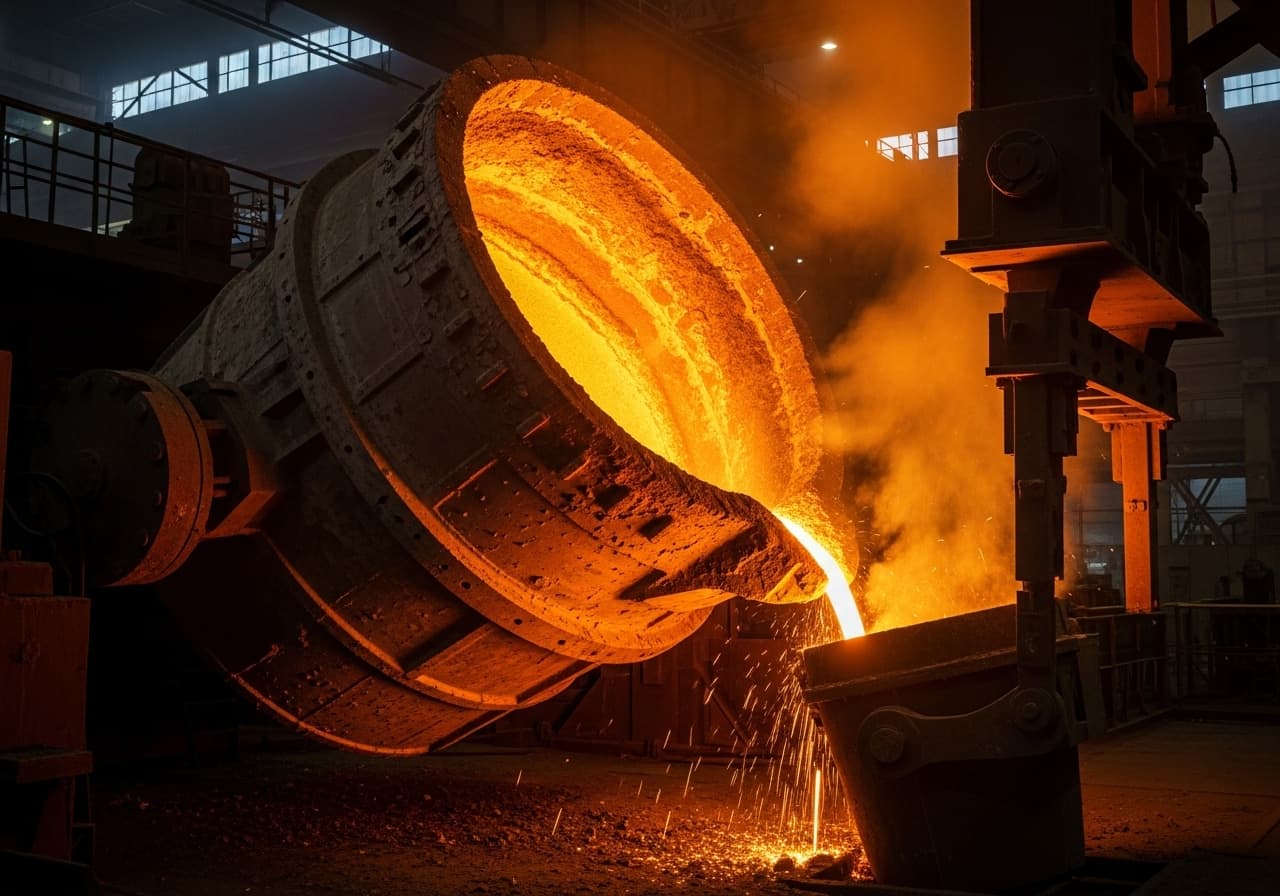
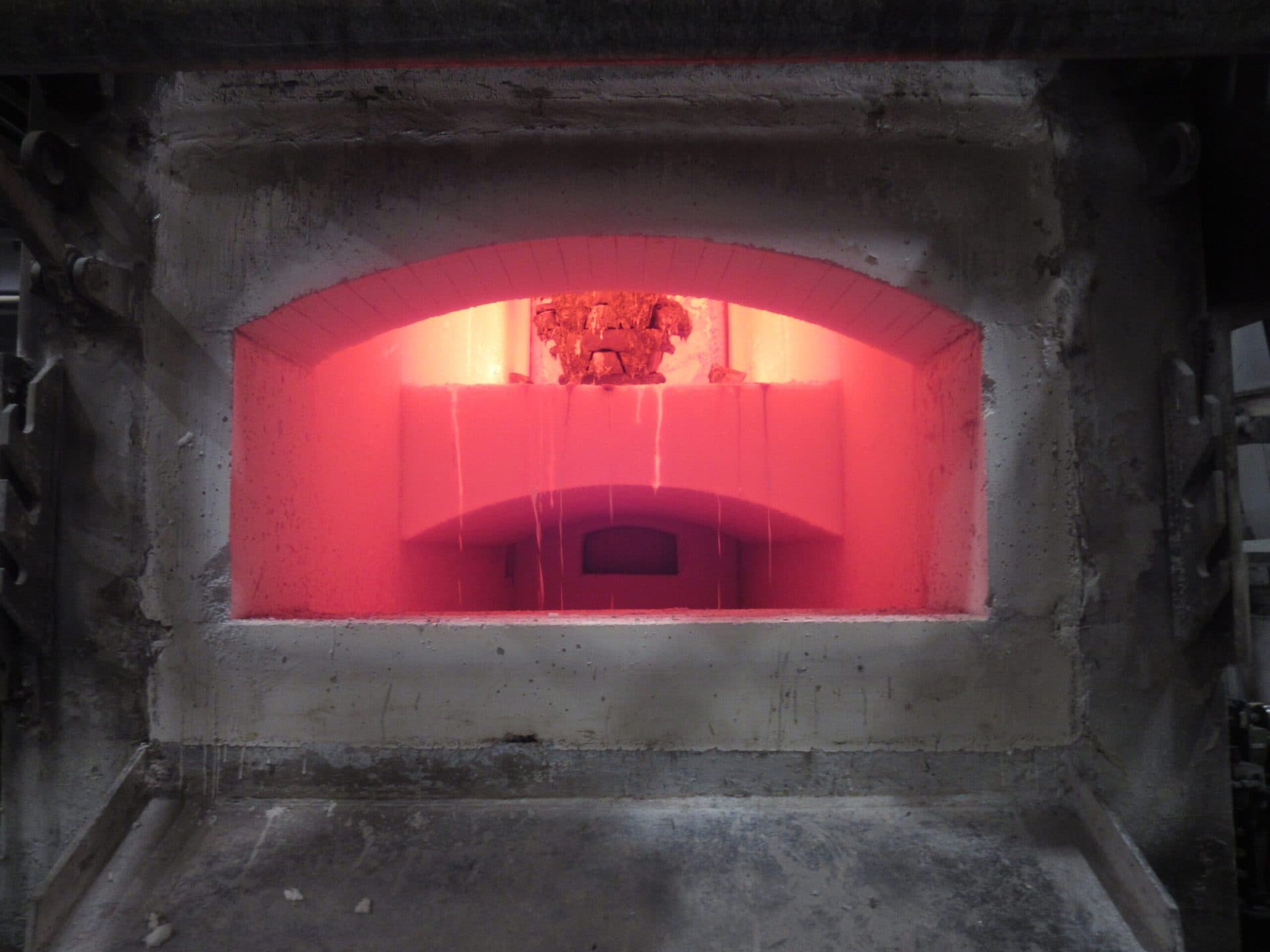
Refractory lining of hot metal mixers for the buffer storage and homogenisation of hot metal.
The hot metal mixer is the central buffer vessel in integrated steelworks and serves for the buffer storage, homogenisation and temperature holding of liquid hot metal between the blast furnace and the converter. With capacities of 600 to 2,500 tonnes, hot metal mixers are among the largest refractory-lined vessels in the steel industry. SBS Refractory Service has the experience and the capacity to reline and maintain these large units correctly — on schedule and in compliance with the highest safety standards.
The refractory lining of a hot metal mixer is in permanent contact with liquid hot metal at temperatures of 1,300–1,500 °C. Unlike torpedo ladles, which are filled and emptied cyclically, the mixer is continuously filled with melt — often over months or years. This continuous loading places extreme demands on the chemical resistance and long-term stability of the lining. High-alumina bricks with high density and controlled porosity are the proven lining material that meets these requirements over service lives of several years.
The complete relining of a hot metal mixer is one of the most demanding projects in refractory construction. The enormous size of the vessel, the many tonnes of bricks, the mixer geometry with its tilting axis and nozzle and the strict safety requirements call for meticulous project planning and experienced installation teams. SBS coordinates all trades — from demolition and shell refurbishment to the complete relining — from a single source and guarantees completion on schedule.
Between major repairs we offer scheduled intermediate repairs at wear hot spots — particularly at the nozzle, in the tilting area and at the slag zone. Our 24/7 emergency hotline ensures rapid assistance in the event of unexpected wear or a risk of breakthrough.
These loads determine the choice of material and the design of the refractory lining.
In contrast to vessels operated cyclically, the hot metal mixer is continuously filled with liquid hot metal. This continuous loading at 1,300–1,500 °C over months and years places extreme demands on the long-term stability and chemical resistance of the refractory lining.
At the interface between the hot metal and the slag — comparable to the slag line in steel ladles — the highest chemical wear occurs. The SiO₂-CaO-based hot metal slag attacks the lining aggressively and largely determines the relining cycle.
The mixer is tilted for tapping, with the entire melt of up to 2,500 tonnes pressing against the lining. This dynamic loading generates high compressive forces on the lining in the nozzle area and at the tilting axis. The lining must permanently withstand this recurring mechanical loading.
A refractory failure on a hot metal mixer with a capacity of several thousand tonnes would have catastrophic consequences. The safety layer and continuous monitoring of the shell temperature are essential in order to detect and prevent breakthroughs at an early stage.
Every zone of your furnace places its own demands on temperature resistance, chemical resistance and mechanical load capacity. We select the optimum material combination.
Click on a material for details
Main lining of the mixer vessel
Repair of local wear points
Our services for this furnace type — from complete relining to ongoing maintenance.
Our structured process guarantees quality, on-time delivery and safety in every project.
Checking the lining thickness and identifying wear hot spots.
Preparation of a lining plan taking the mixer geometry into account.
Demolition and complete relining with refractory bricks, installation of the safety layer.
Gas-free measurement before entry, securing of the tilting area during the work.
The condition assessment of a hot metal mixer begins with the analysis of the shell temperature data recorded continuously during operation. Hot spots indicate local wear and a reduced residual lining thickness. After the mixer has been emptied and cooled, entry follows with visual inspection and measurement of the residual lining thickness in all critical zones — slag zone, nozzle area, tilting area and bottom zone. The inspection report includes a complete wear profile with a recommendation for the scope of repair.
Planning the complete relining of a hot metal mixer is a project lasting several months that is closely coordinated with the steelworks planning. The material concept is defined zone by zone — premium qualities for the slag zone and the nozzle area, standard qualities for the less heavily loaded upper structure. Material logistics require the timely provision of several hundred tonnes of refractory bricks and mortar. The manpower plan covers shift work throughout the entire lining period of four to eight weeks. Shell refurbishment and, where necessary, mechanical repairs to the tilting axis and supporting structure are coordinated in addition.
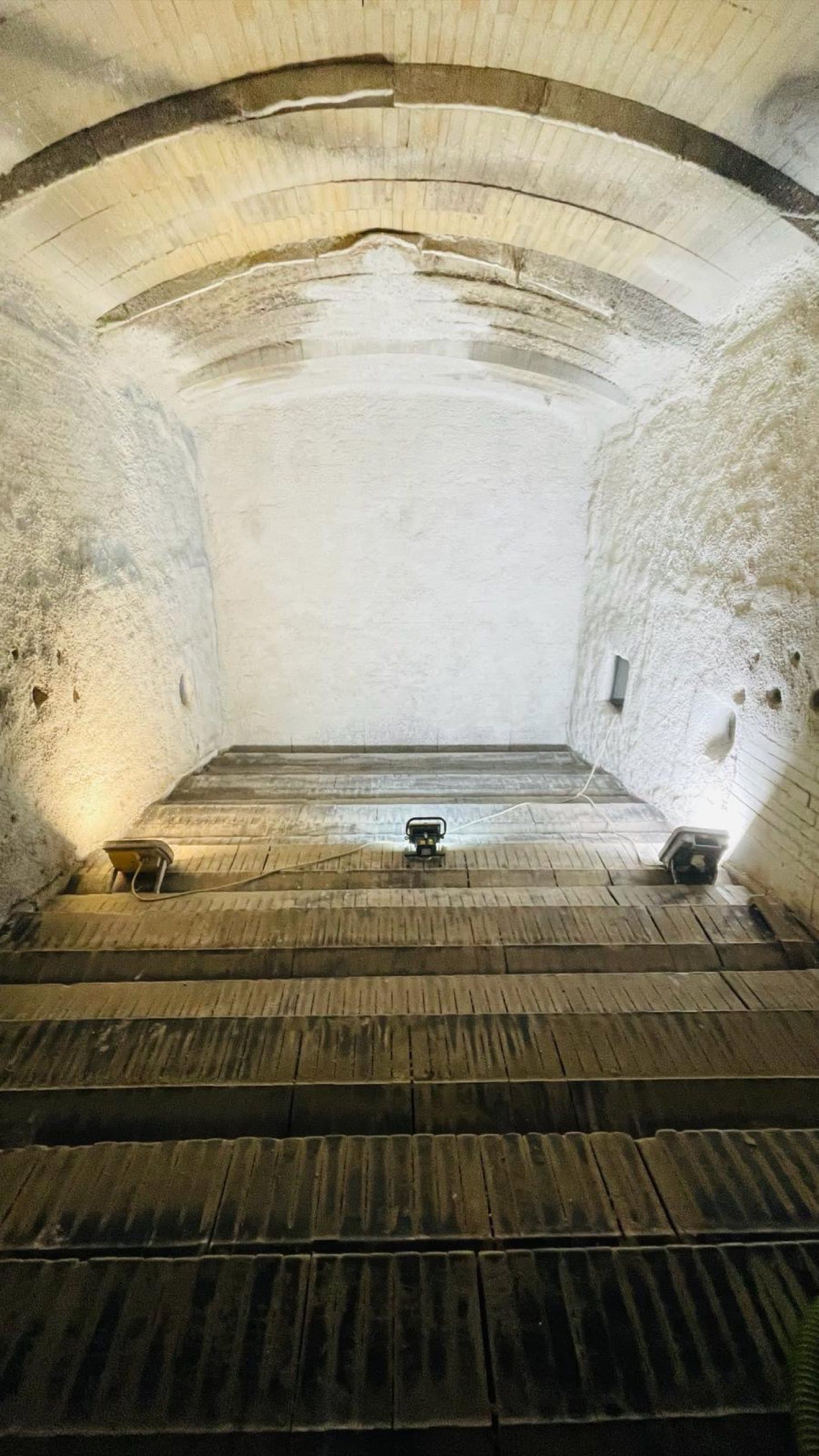
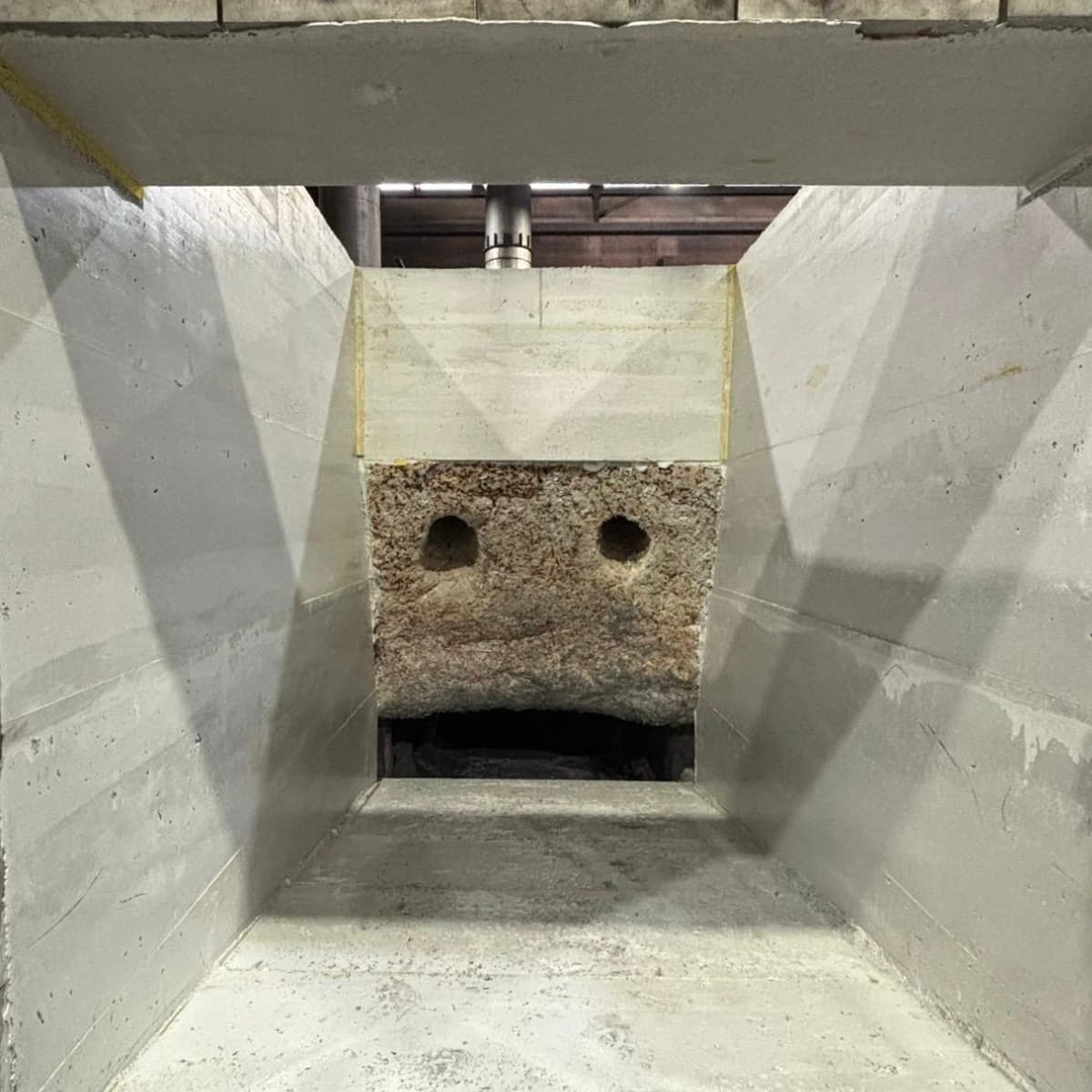
After the mixer has been completely emptied and cooled under control, the mechanical demolition of the old lining begins. The exposed steel shell is inspected for deformation, cracks and corrosion damage and repaired where necessary. The rebuild begins with the installation of the insulating layer and the safety layer of high-alumina bricks. This is followed by the working lining — the main wear lining — which is laid brick by brick in refractory mortar. The nozzle area receives a special lining of wear-resistant shaped bricks. Finally, the mixer is heated up under control and filled with hot metal.
Work on a hot metal mixer is subject to the strictest safety requirements in refractory construction. Before the vessel is entered, gas-free measurement, temperature control and a stability check of the remaining lining are carried out. The tilting area is secured mechanically and blocked against unintentional movement. Permanent ventilation and atmosphere monitoring are ensured during all work inside the mixer. A rescue concept with a safety attendant and an escape route is active at all times.
Over 500 successfully completed refractory construction projects in the DACH region and the Benelux countries.
Hot metal mixer
Everything you need to know about the Hot metal mixer
Whether complete relining, repair or emergency — free initial consultation and a fast response.