Wird geladen...
Wird geladen...
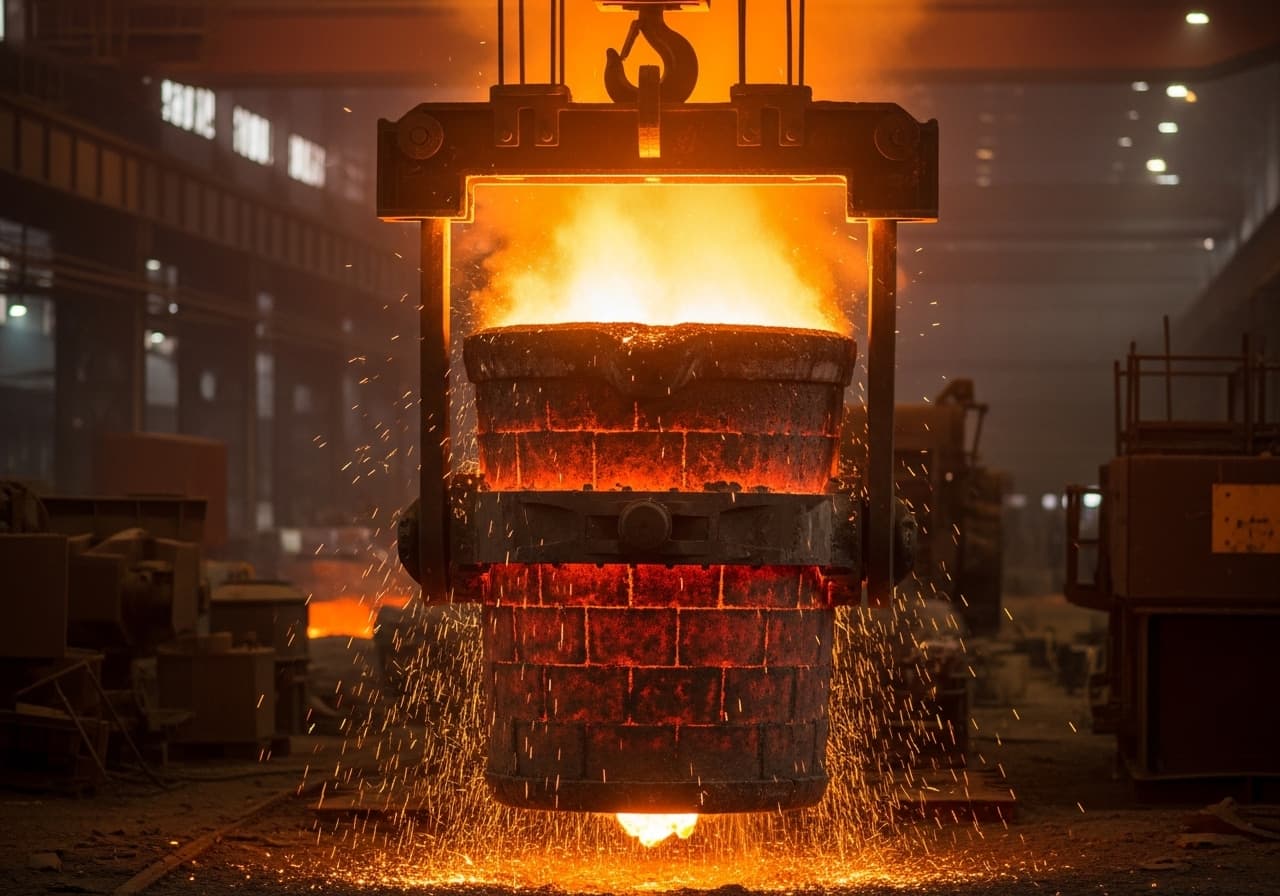
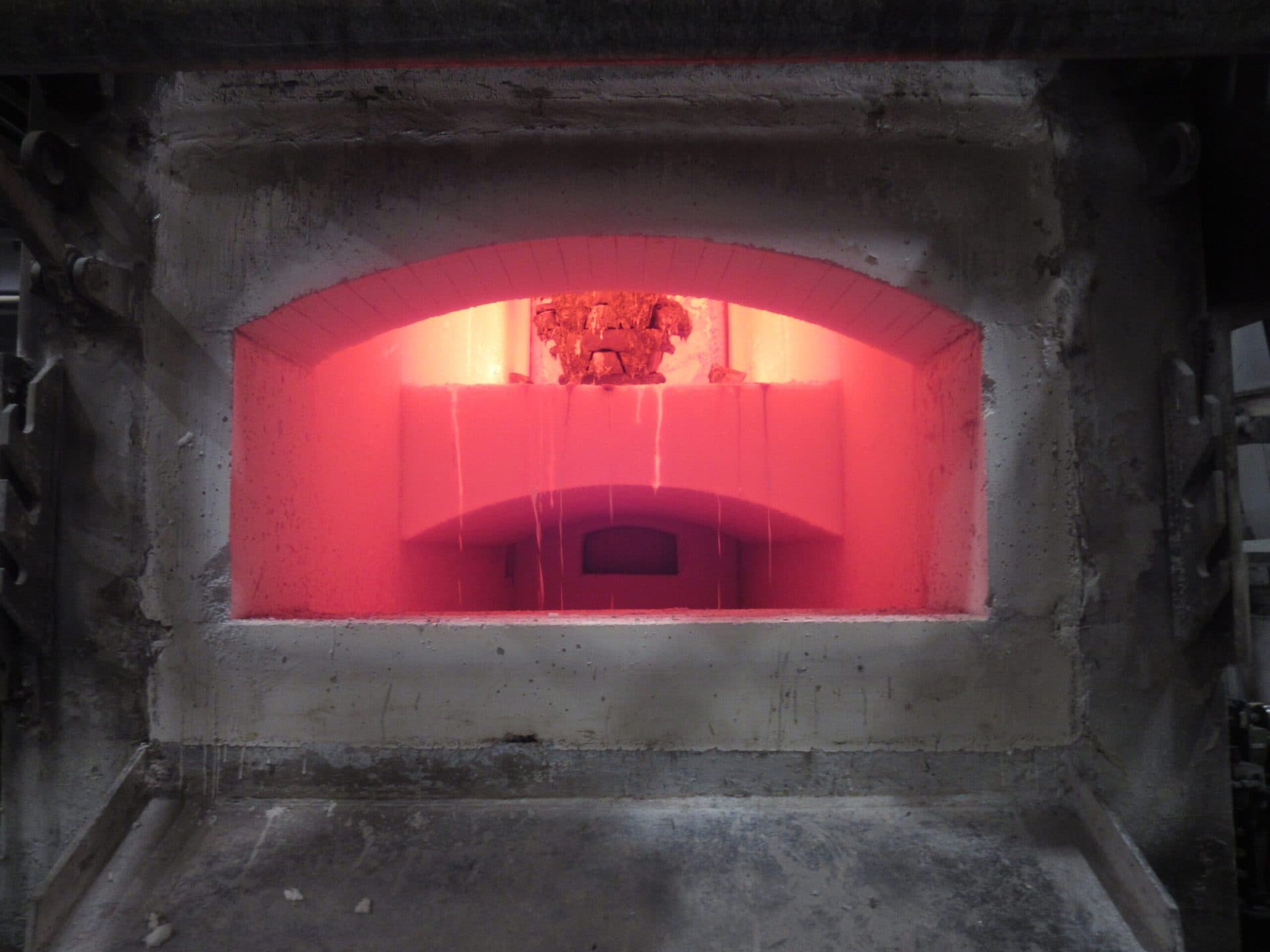
Refractory lining and repair of steel casting ladles for secondary metallurgy and steel transport.
The steel ladle is the central transport vessel in every steelworks and forms the indispensable link between the converter, secondary metallurgy and the continuous casting plant. Its refractory lining must reliably cope with temperatures of more than 1,650 °C, aggressive FeO-bearing slags and the mechanical loads caused by tilting and crane movements. SBS Refractory Service has specialised in refractory construction for steel casting ladles for decades and serves steelworks throughout Germany — from complete relining and partial repairs to strategic wear optimisation.
The loading placed on the refractory lining in steel ladles is among the most severe in the whole of refractory construction. With every heat the ladle is filled with liquid steel, treated in secondary metallurgy — alloy adjustment, stirring, vacuum treatment — and then emptied at the continuous casting plant. The constant contact with highly reactive steel slags, particularly at the slag line, leads to intensive chemical wear. Magnesia-carbon bricks (MgO-C) are the proven lining material for these extreme conditions and permit ladle campaigns of 80 to 150 heats.
An economically optimised ladle concept takes account of the different wear zones: slag line, wall area, bottom area and functional components such as the slide gate and the purging plug. Each zone requires a specific material system matched to the local loading. SBS analyses your wear profile, recommends zone-optimised material concepts and implements them on schedule with experienced installation teams.
After every lining we prepare complete documentation with material certificates, installation records and measurement reports. Via our 24/7 emergency hotline we can be reached at any time in the event of a risk of breakthrough or unplanned wear — for rapid assistance when every hour counts.
These loads determine the choice of material and the design of the refractory lining.
The slag line is the most heavily loaded zone of the steel ladle. FeO- and MnO-bearing steel slags react aggressively with the refractory lining and lead to accelerated corrosion. The service life of the slag line generally determines the entire ladle campaign.
Steel ladles go through extreme temperature cycles between the hot filling at more than 1,600 °C and cooling during the empty return journey. These cyclic thermal shocks create stress cracks in the lining and lead to progressive material failure.
The slide gate, purging plug and nozzle are high-precision functional components that are loaded with every heat. Failure of these components can lead to an uncontrolled escape of steel and calls for immediate repair.
Tilting the ladle during tapping and the crane movements between the converter, ladle furnace and continuous casting plant generate dynamic loads. These mechanical forces act on the entire lining and can cause brick displacement and open joints.
Every zone of your furnace places its own demands on temperature resistance, chemical resistance and mechanical load capacity. We select the optimum material combination.
Click on a material for details
Slag line and wall area
Bottom area and safety layer
Our services for this furnace type — from complete relining to ongoing maintenance.
Our structured process guarantees quality, on-time delivery and safety in every project.
Visual inspection and measurement of the residual lining thickness after every ladle campaign.
Definition of the repair scope and material selection according to the wear pattern.
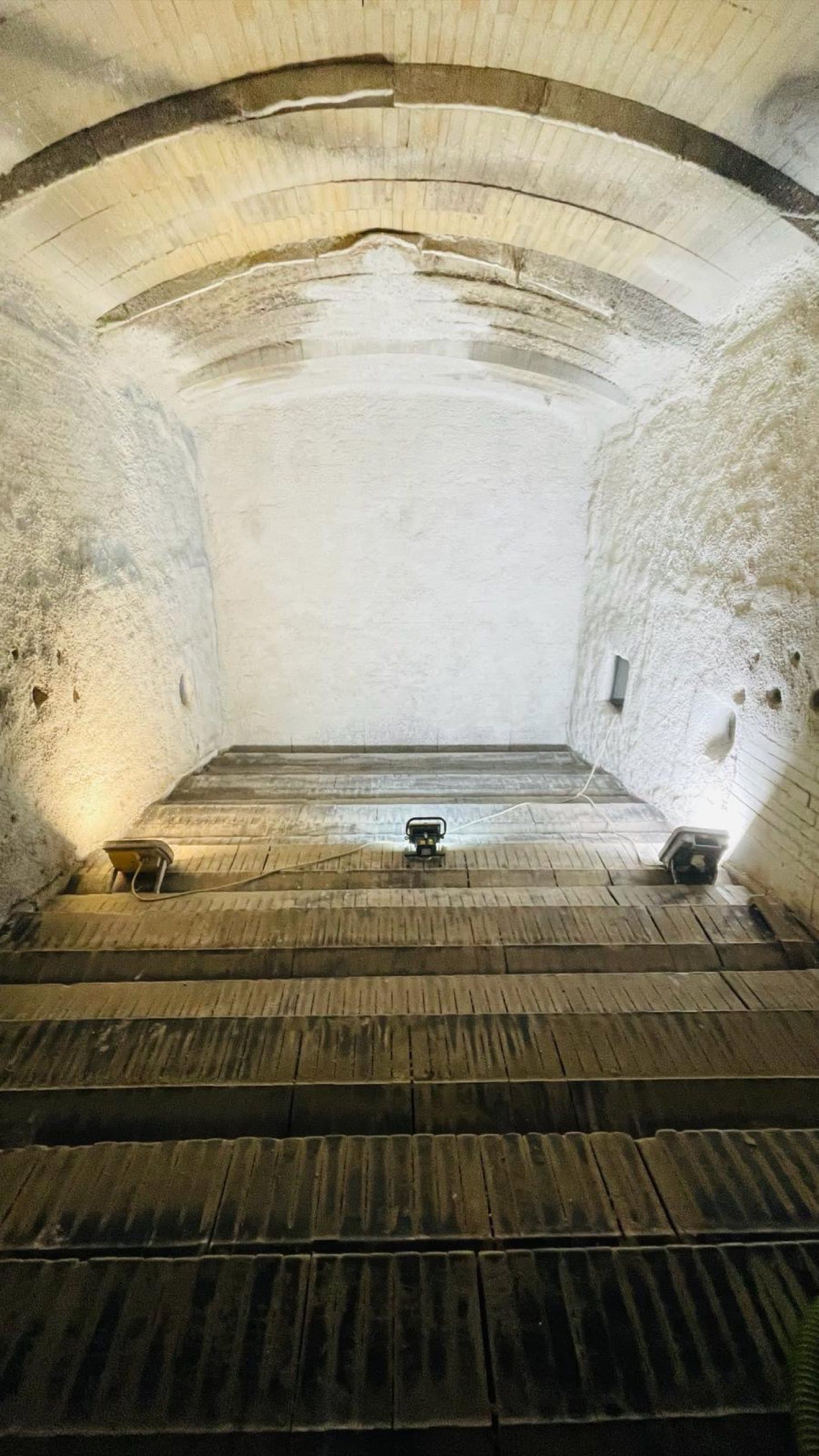
Break-out of worn areas, complete relining with magnesia-carbon bricks and installation of functional components.
Safeguarding when working on hot ladles, avoiding crane traffic and contact with the melt.
After the end of the ladle campaign, our refractory specialists carry out a comprehensive condition analysis. The residual lining thickness is recorded by laser measurement or manual measurement in all critical zones — slag line, wall area, bottom and functional components. Cracking, infiltration zones and slag build-up are documented in addition. On the basis of these data we prepare a detailed inspection report with a clear recommendation for action: partial repair, renewal of the slag line or complete relining.
During the planning phase we define the zone-optimised material concept — MgO-C qualities for the slag line, high-alumina bricks for the bottom area and the appropriate functional components for the slide gate and purging plug. The shutdown period is closely coordinated with your steelworks planning in order to maximise ladle availability. All materials are specified in advance, checked in stock and delivered on schedule. For major repairs we plan the deployment of personnel so that shift work ensures the fastest possible execution.
Execution begins with the controlled cooling of the ladle and the mechanical break-out of the worn lining. After thorough cleaning of the steel shell and inspection for deformation, the rebuild follows layer by layer: safety layer, working lining in the bottom area, wall brickwork with MgO-C bricks and installation of the slag line bricks in a higher quality. Finally, the slide gate and purging plug are fitted and the entire lining is measured and documented.
All work on steel ladles is carried out in strict compliance with the SCC safety regulations. Before work begins, a site-specific risk assessment is prepared with particular attention to crane traffic, residual heat and neighbouring melting operations. The ladle is secured against unintentional tilting and the working area is cordoned off. Personal protective equipment including heat-protective clothing, face protection and safety footwear with heat protection is mandatory.
Over 500 successfully completed refractory construction projects in the DACH region and the Benelux countries.
Steel ladle
Everything you need to know about the Steel ladle
Whether complete relining, repair or emergency — free initial consultation and a fast response.