Wird geladen...
Wird geladen...
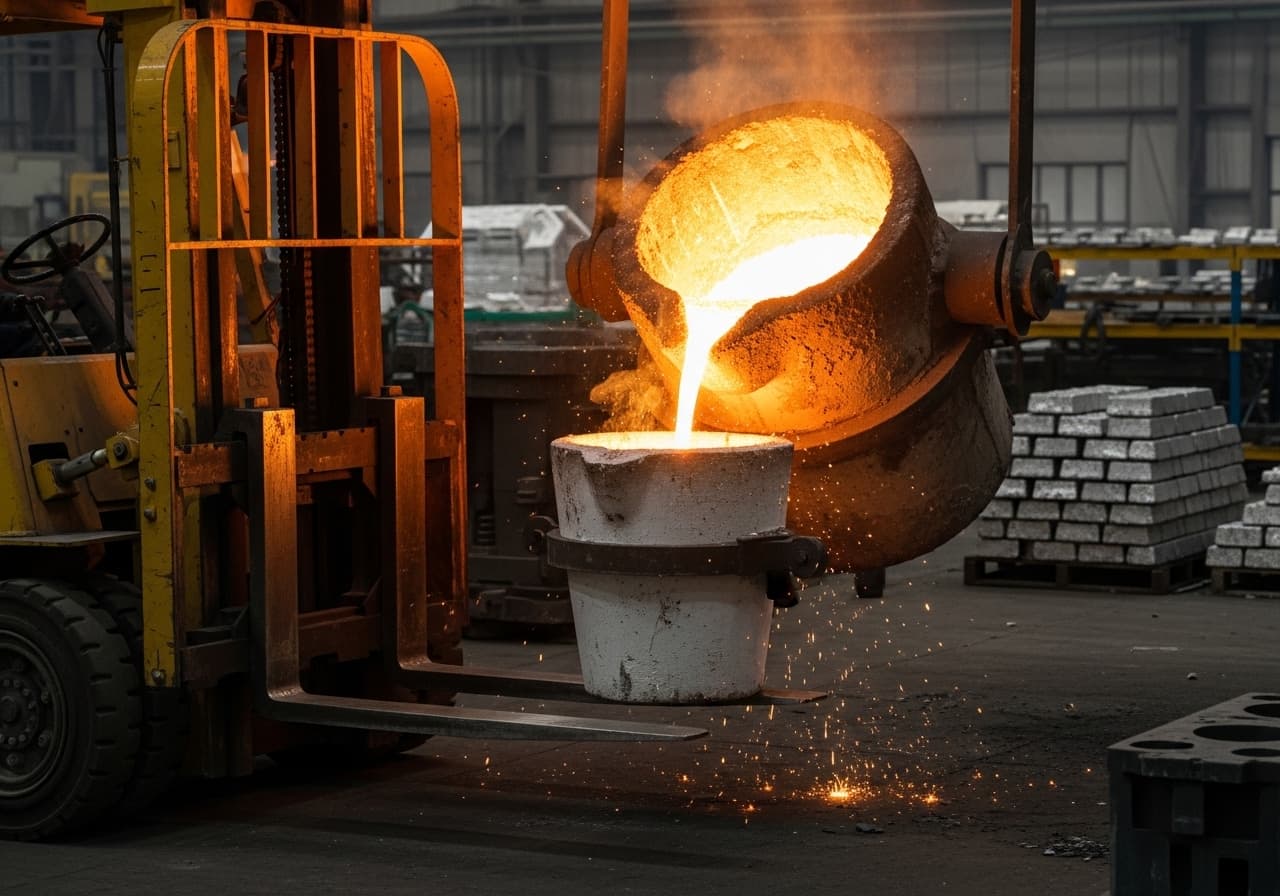
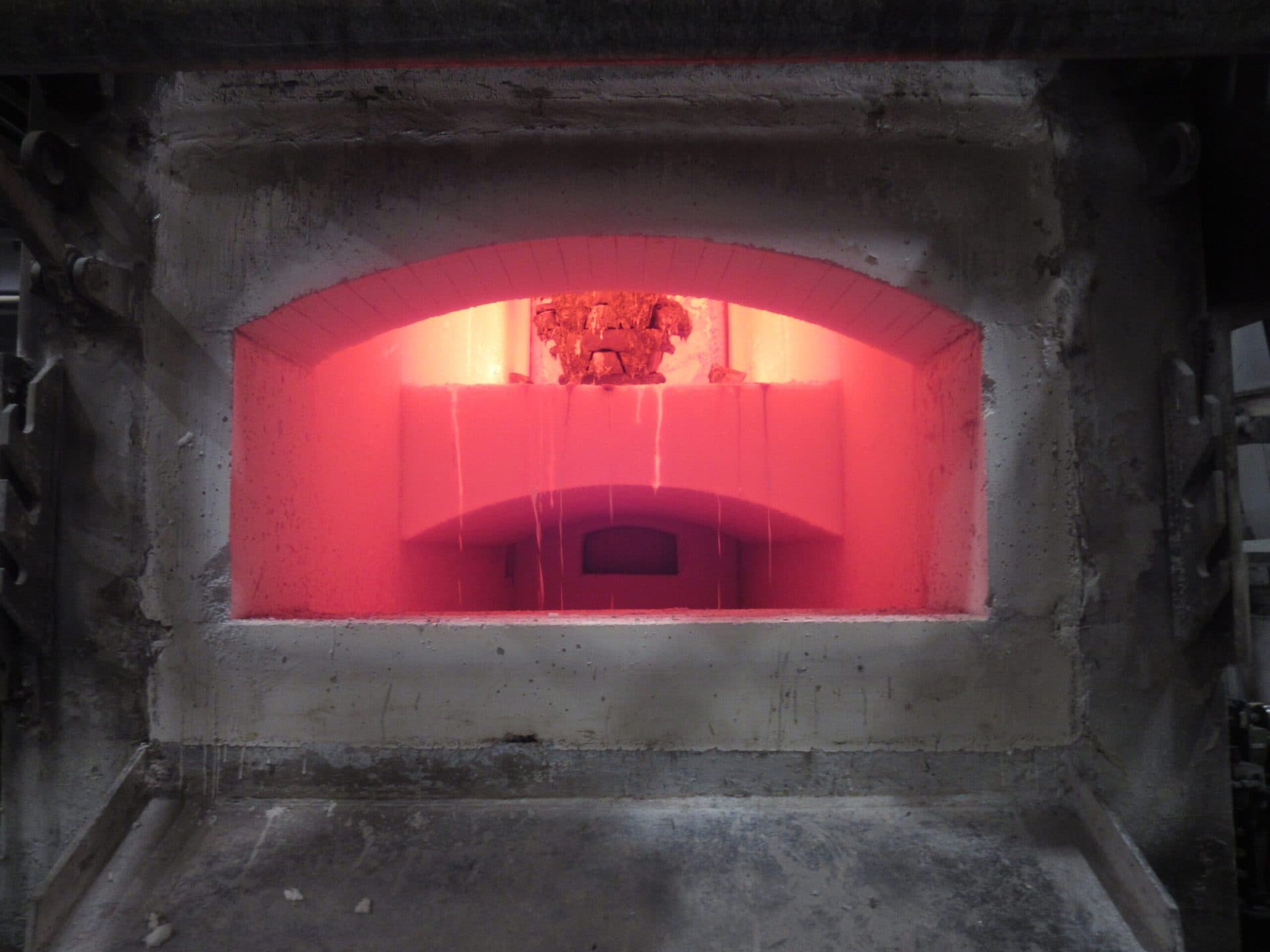
Refractory lining of transfer crucibles for the safe transfer of non-ferrous metal melts.
The transfer crucible is the central vessel for the in-plant transfer of non-ferrous metal melts in aluminium, copper and zinc smelters as well as in non-ferrous metal foundries. Whether aluminium at 750 °C, copper at 1,200 °C or zinc at 500 °C — the refractory lining must be matched precisely to the metal being melted in order to ensure crucible service life, melt quality and operational safety. SBS Refractory Service is your specialist partner for the lining and maintenance of transfer crucibles of every size and material — from small hand pouring crucibles to large fork crucibles for forklift traffic.
The requirements placed on the crucible lining in non-ferrous metallurgy differ fundamentally from those in the steel industry. Non-ferrous metals such as aluminium react aggressively with conventional refractory materials — liquid aluminium infiltrates the pore structure and destroys the lining from the inside. Silicon-carbide-based crucible mixes offer the necessary resistance to wetting and the chemical resistance needed to withstand these specific forms of attack. SBS selects the optimal material for every application, taking into account not only the metal being melted but also the operating temperature, the crucible type and the required service life.
The operational safety of transfer crucibles is of the greatest importance — a crucible breakthrough during transport by forklift or crane can cause serious injury and damage to property. Regular inspections, timely repairs and the replacement of worn crucibles within the required period are essential for safe foundry operation. SBS supports you with systematic crucible management: wear monitoring, repair planning and complete relining as required.
All linings are documented seamlessly. Via our emergency hotline we are also ready for action at short notice for urgent crucible repairs — so that your production does not come to a standstill.
These loads determine the choice of material and the design of the refractory lining.
Liquid aluminium has an extremely high wetting capability and penetrates the pores and micro-cracks of the crucible lining. As it solidifies, the infiltrated aluminium expands and bursts the crucible wall from the inside. SiC-based materials with minimal open porosity offer the best protection against this mechanism.
In foundry operation, transfer crucibles are filled and emptied frequently, with severe temperature fluctuations occurring. These cyclic thermal shocks create stress cracks in the crucible wall that propagate with every cycle and lead to a weakening of the structure.
Transport by forklift or crane generates vibrations, impacts and dynamic forces that act on the crucible wall and the crucible bottom. When setting the crucible on the forks or inserting it into the support ring in particular, local stresses can lead to cracks and spalling.
With copper and zinc melts, metal oxides and slags form that attack the crucible lining chemically. The oxide slags are deposited on the crucible wall and penetrate the surface. Materials with high oxidation resistance and a smooth surface reduce this attack mechanism.
Every zone of your furnace places its own demands on temperature resistance, chemical resistance and mechanical load capacity. We select the optimum material combination.
Click on a material for details
Crucible lining for aluminium melts
Local repairs at wear points
Our services for this furnace type — from complete relining to ongoing maintenance.
Our structured process guarantees quality, on-time delivery and safety in every project.
Visual inspection for cracking, erosion and infiltration by the metal melt.
Selection of the suitable crucible mix and definition of the repair cycle.
Replacement of the crucible or repair with repair mixes and subsequent sintering.
Checking crucible integrity before use, preventing breakthroughs through regular monitoring.
The condition assessment of transfer crucibles comprises a systematic visual inspection for cracking, erosion, metal infiltration and reduction in wall thickness. The crucible wall is examined for characteristic infiltration patterns — on aluminium crucibles, discolouration and roughening of the inner surface is an early indicator. The wall thickness is determined at several measuring points and compared with the minimum values. On crucibles with a support ring, the seating and integrity of the ring are also checked. The inspection results in a clear recommendation: continued operation, repair or replacement.
The material selection is matched precisely to the metal being melted — SiC crucible mixes for aluminium, graphite crucibles for copper and bronze, oxide-ceramic mixes for zinc. Crucible size, frequency of use and the required service life are taken into account in the planning. For foundries with a high crucible throughput we offer scheduled replacement cycles in which the exchange is scheduled in advance and the replacement crucibles are prepared in good time. Coordination with your production planning ensures that sufficient ready-to-use crucibles are always available.
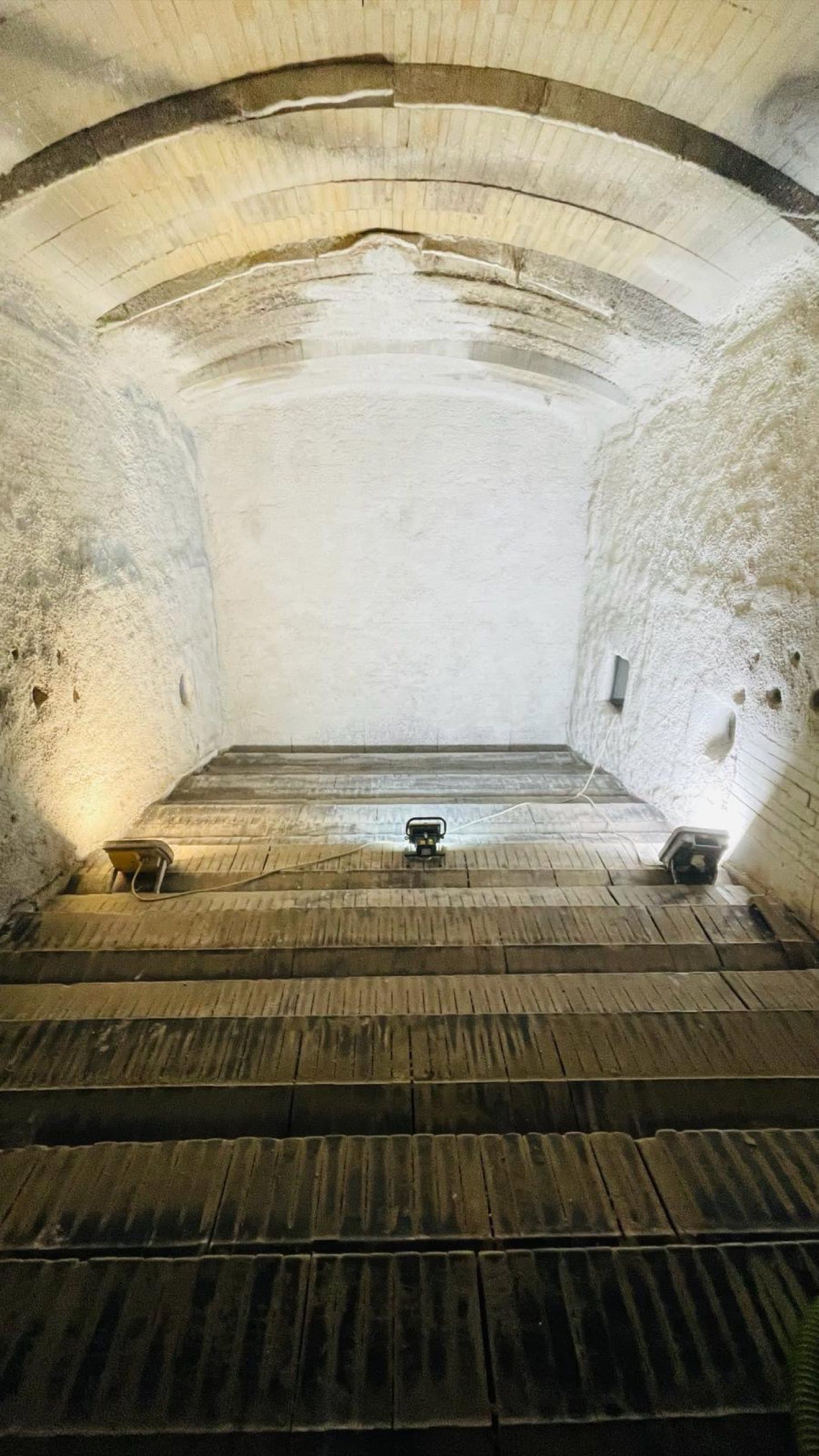
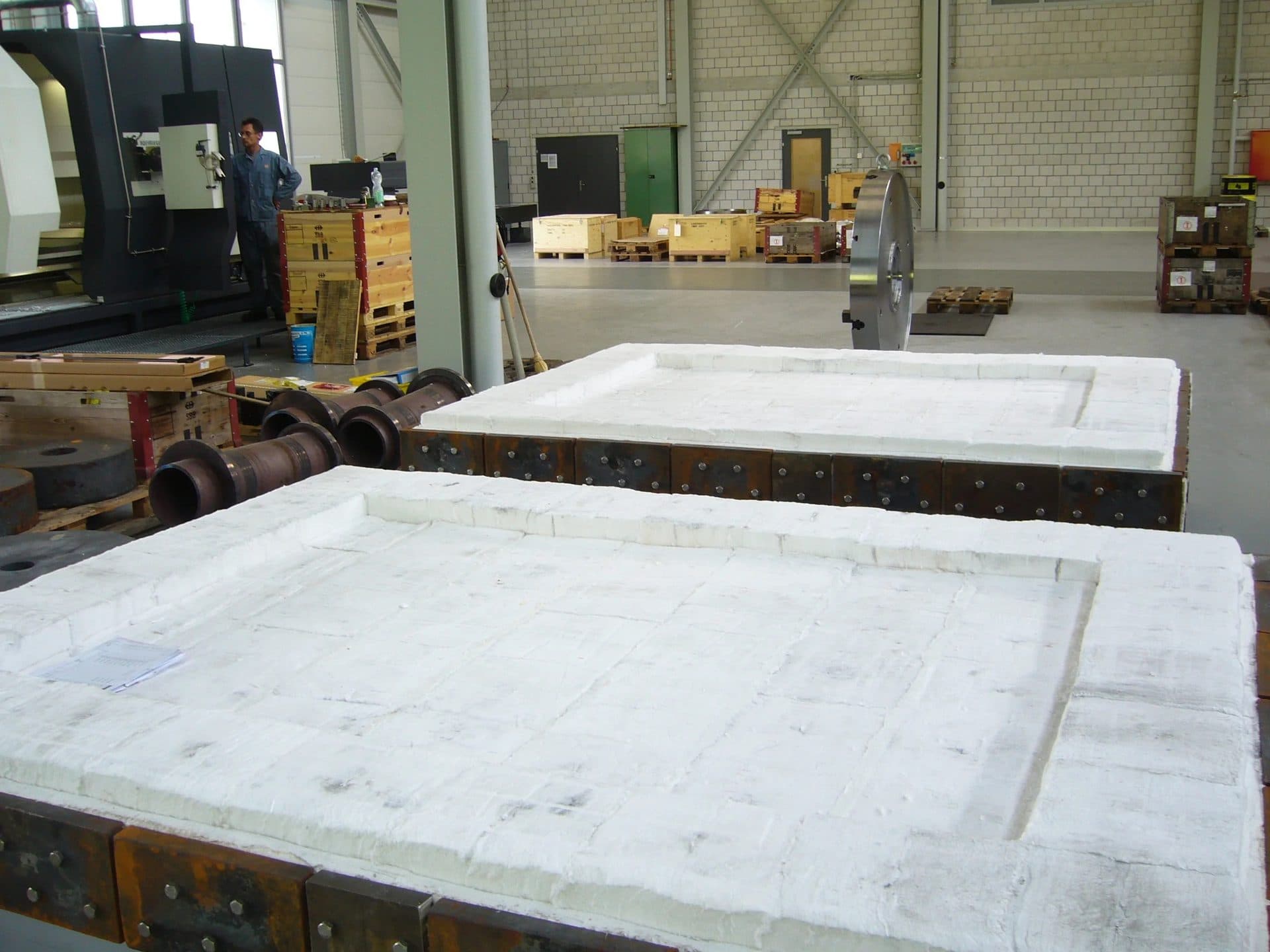
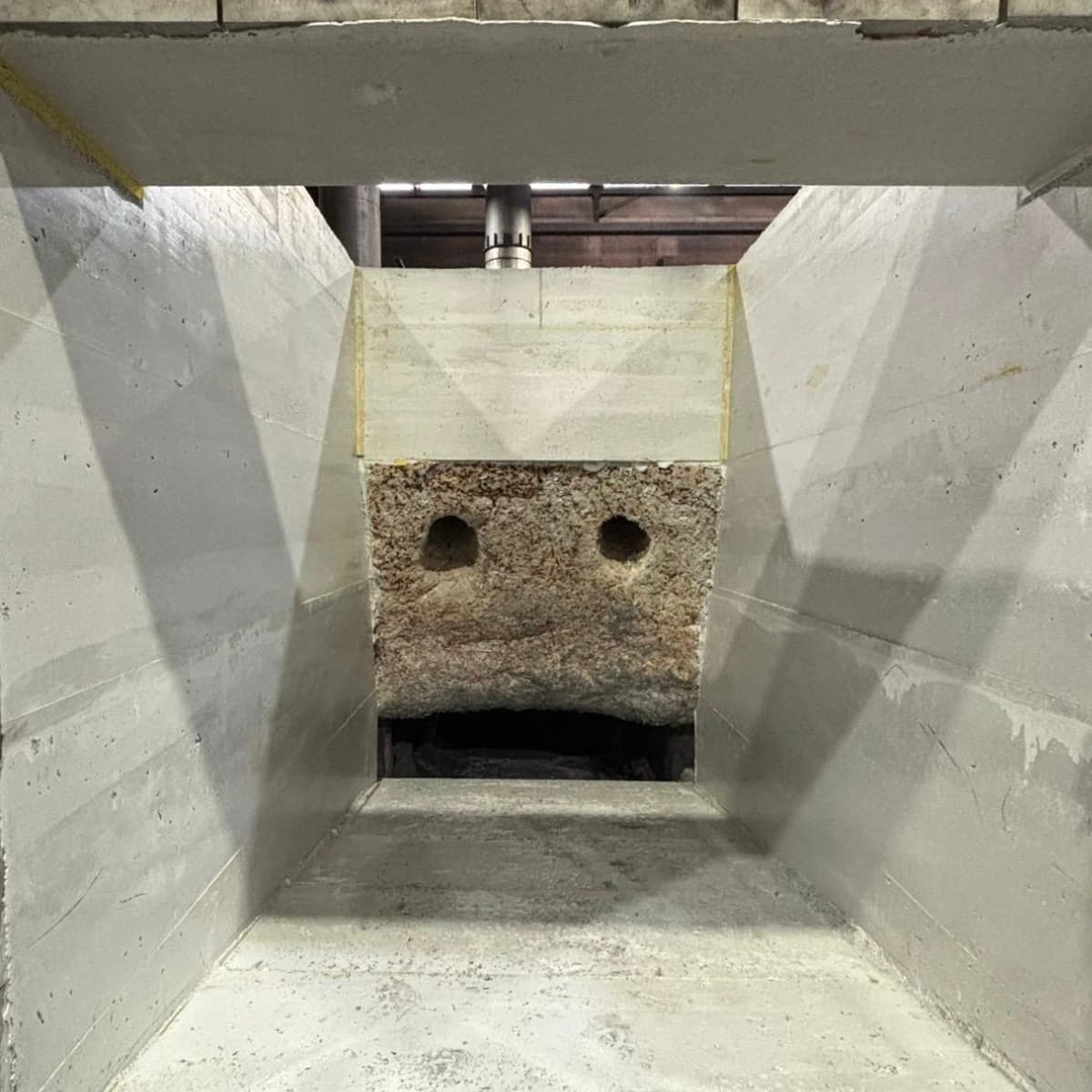
For a complete relining, the crucible mix is rammed or vibrated into the crucible mould and then dried under control. Sintering takes place during the first heat-up following a defined temperature curve that ensures optimal development of the structure. For repairs, local wear points are made good with repair mixes and sintered in. The nozzle area is produced as a separately replaceable unit in order to permit rapid exchange without a complete relining. After every lining or repair, the integrity of the crucible is verified by visual inspection and a tap test.
The operational safety of transfer crucibles has the highest priority — a breakthrough during transport can lead to serious injuries and damage to property. Before every recommissioning, the integrity of the crucible is verified by visual inspection, tap test and wall thickness measurement. Crucibles with critical cracks, advanced infiltration or a wall thickness below the minimum are withdrawn from service. All employees are trained in recognising the signs of wear.
Over 500 successfully completed refractory construction projects in the DACH region and the Benelux countries.
Transfer crucible
Everything you need to know about the Transfer crucible
Whether complete relining, repair or emergency — free initial consultation and a fast response.