Wird geladen...
Wird geladen...
Refractory lining of waste incineration plants for the thermal treatment of municipal waste.
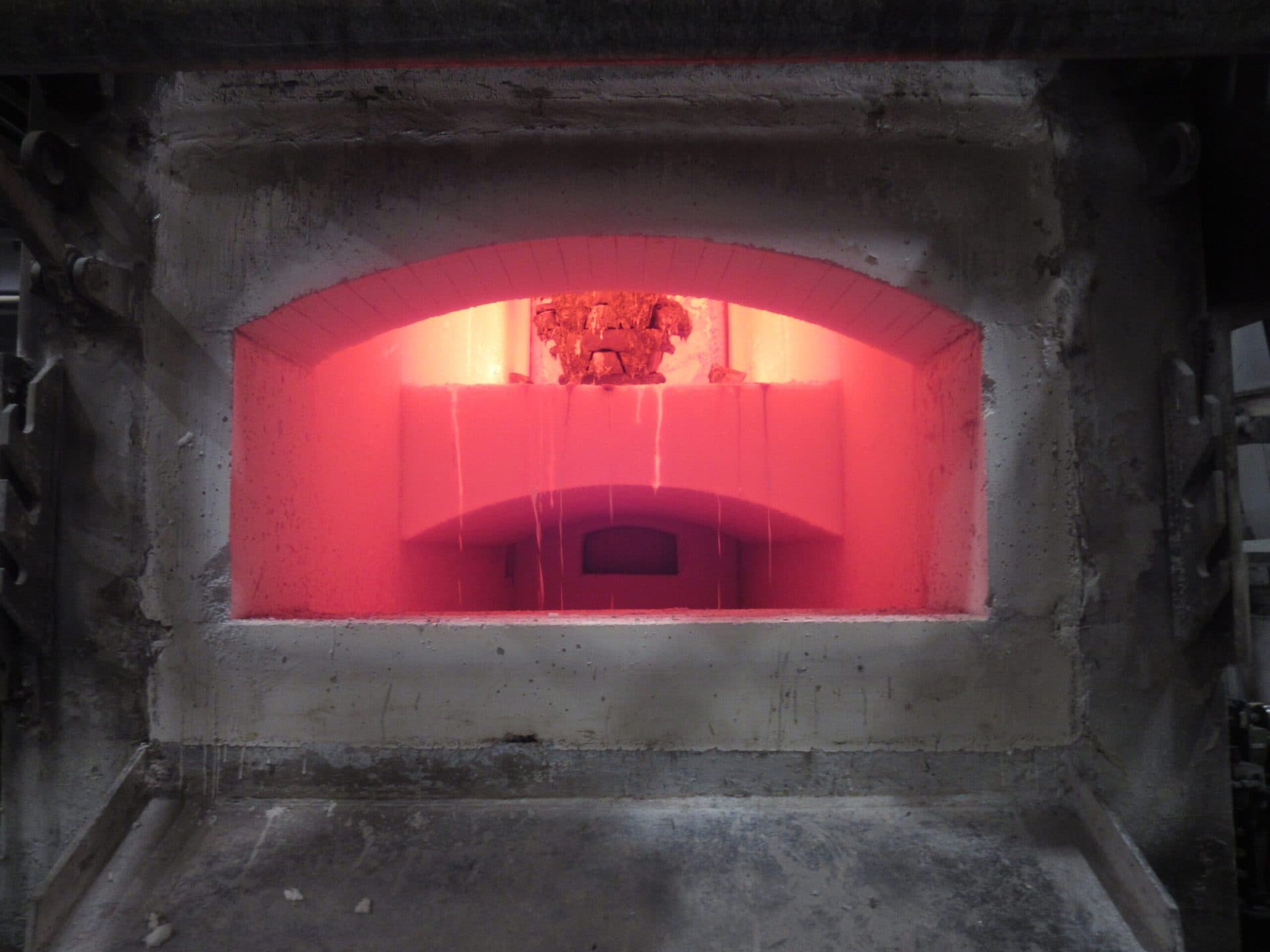
Central combustion chamber above the reciprocating grate. The lining consists of chrome corundum or SiC bricks in the high-wear zones and refractory gunning mix on the membrane walls. Slagging and chloride attack are the dominant loads.
Mechanical grate system of heat-resistant cast iron on which the waste is transported and burned. The transition area between grate and brickwork is one of the most critical wear zones, with extreme cyclic mechanical and thermal loading.
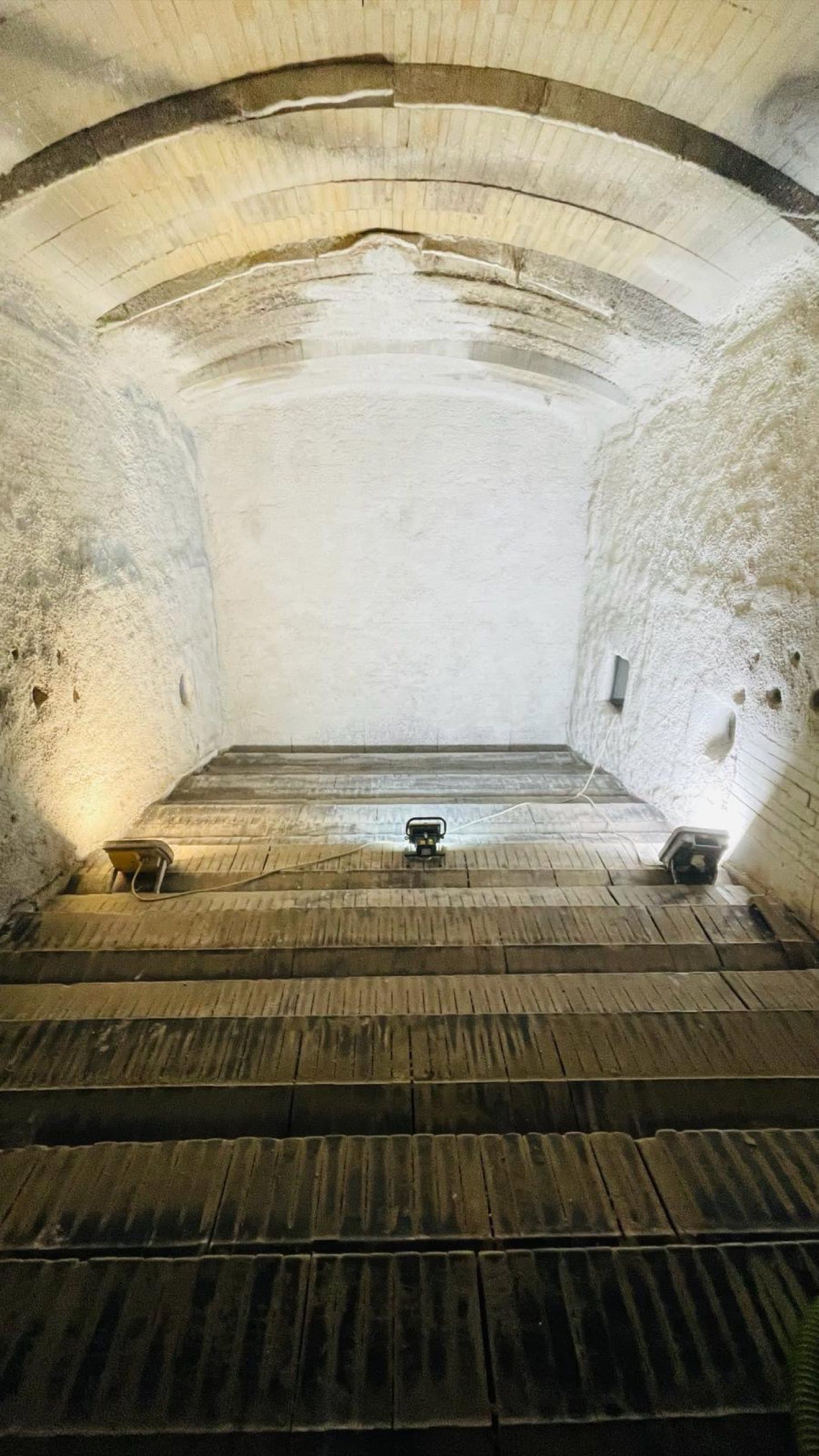
Area above the combustion chamber for the complete burnout of the flue gases. The lining must permanently withstand temperatures of up to 1,100 °C and aggressive gas atmospheres with high HCl contents.
Flue gas passes with heat exchanger surfaces. The refractory lining at deflections and constrictions is exposed to extreme erosion by fly ash. At the same time, aggressive compounds condense at cooler points.
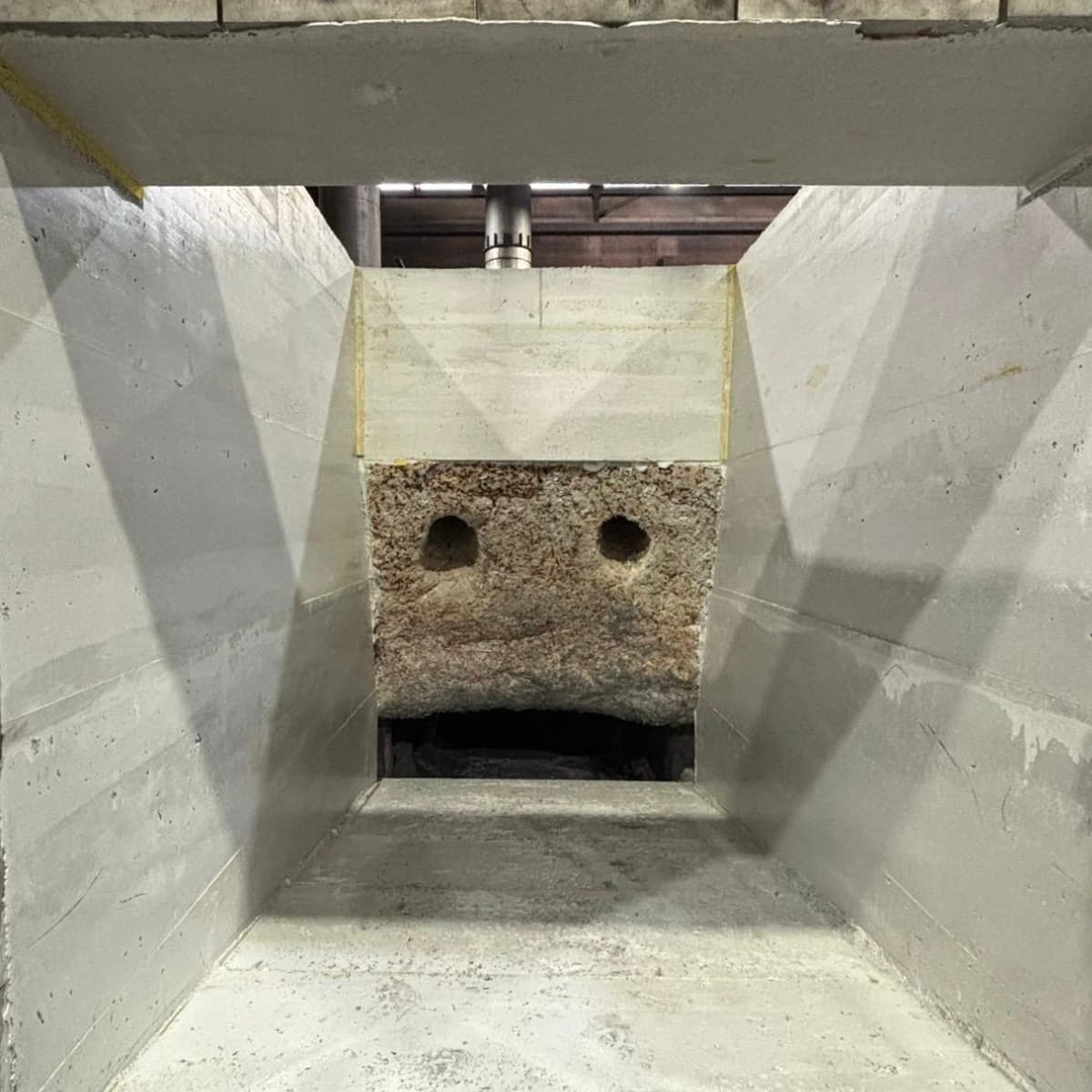
Feed hopper and slag chute of refractory material. The feed hopper must withstand the impact of the waste tipped into it, and the slag chute the glowing grate slag.
Waste incineration plants are among the chemically most aggressive operating environments for refractory materials of all. The heterogeneous composition of municipal waste produces flue gases with high contents of hydrogen chloride, alkali chlorides, heavy metals and sulphur compounds that attack the refractory lining in many different ways. SBS Refractory Service has sound experience in refractory construction for waste incineration plants and knows the specific requirements of every plant zone.
Operating temperatures of 900 to 1,100 °C in combination with the aggressive flue gas chemistry place the highest demands on material selection. Slagging and high-temperature corrosion dominate in the combustion chamber, erosion and chloride attack in the boiler passes, and mechanical loading and thermal shock at the reciprocating grate. For every zone we use specially selected refractory materials — from chrome corundum bricks and SiC qualities to corundum-bearing refractory castables.
The annual overhaul is the central point in time for refractory work in waste incineration plants. Our teams work efficiently and on schedule in order to keep the shutdown time to a minimum. SCC certification of our personnel ensures compliance with all safety regulations when working in contaminated areas.
These loads determine the choice of material and the design of the refractory lining.
Municipal waste contains considerable quantities of PVC and other chlorine-bearing substances. The resulting hydrogen chloride and alkali chloride compounds attack the refractory lining chemically and cause accelerated corrosion.
The variable composition of household waste produces ashes with widely fluctuating melting points. Low-melting constituents form aggressive slags that penetrate the refractory lining.
Ash particles entrained in the flue gas stream erode the surface of the lining, particularly in deflection zones and at constrictions in the boiler passes.
The transition area between the reciprocating grate and the combustion chamber brickwork is exposed to extreme cyclic mechanical and thermal loading and is one of the most critical wear zones.
Residues of municipal waste and flue gas condensates call for special protective measures, contaminant measurements and compliance with strict hygiene regulations during all refractory work.
Every zone of your furnace places its own demands on temperature resistance, chemical resistance and mechanical load capacity. We select the optimum material combination.
Click on a material for details
Combustion chamber wear zones
Grate transition area
Hoppers and transitions
Inspection flaps and expansion joints
Our services for this furnace type — from complete relining to ongoing maintenance.
Our structured process guarantees quality, on-time delivery and safety in every project.
Annual overhaul with wear measurement at critical zones
Repair planning coordinated with overhaul dates
Partial repair of the wear zones during the overhaul
Work in contaminated areas, special PPE
The inspection takes place immediately after the plant has cooled down at the start of the overhaul. All refractory areas are systematically walked through and assessed by wear measurement. Particular attention is paid to the high-wear zones: the grate transition, the combustion chamber side walls, the afterburning zone and the boiler pass deflections. Crack patterns, spalling, slag deposits and chemical corrosion patterns are documented photographically and summarised in a wear record.
On the basis of the inspection we prepare a prioritised repair concept that makes optimal use of the available overhaul period. Critical damage is dealt with first, while less urgent points are scheduled for the next overhaul. Material selection takes account of the specific loading situation in every zone. Logistics, scaffolding planning and personnel coordination are clarified in advance in order to ensure a smooth sequence of work.
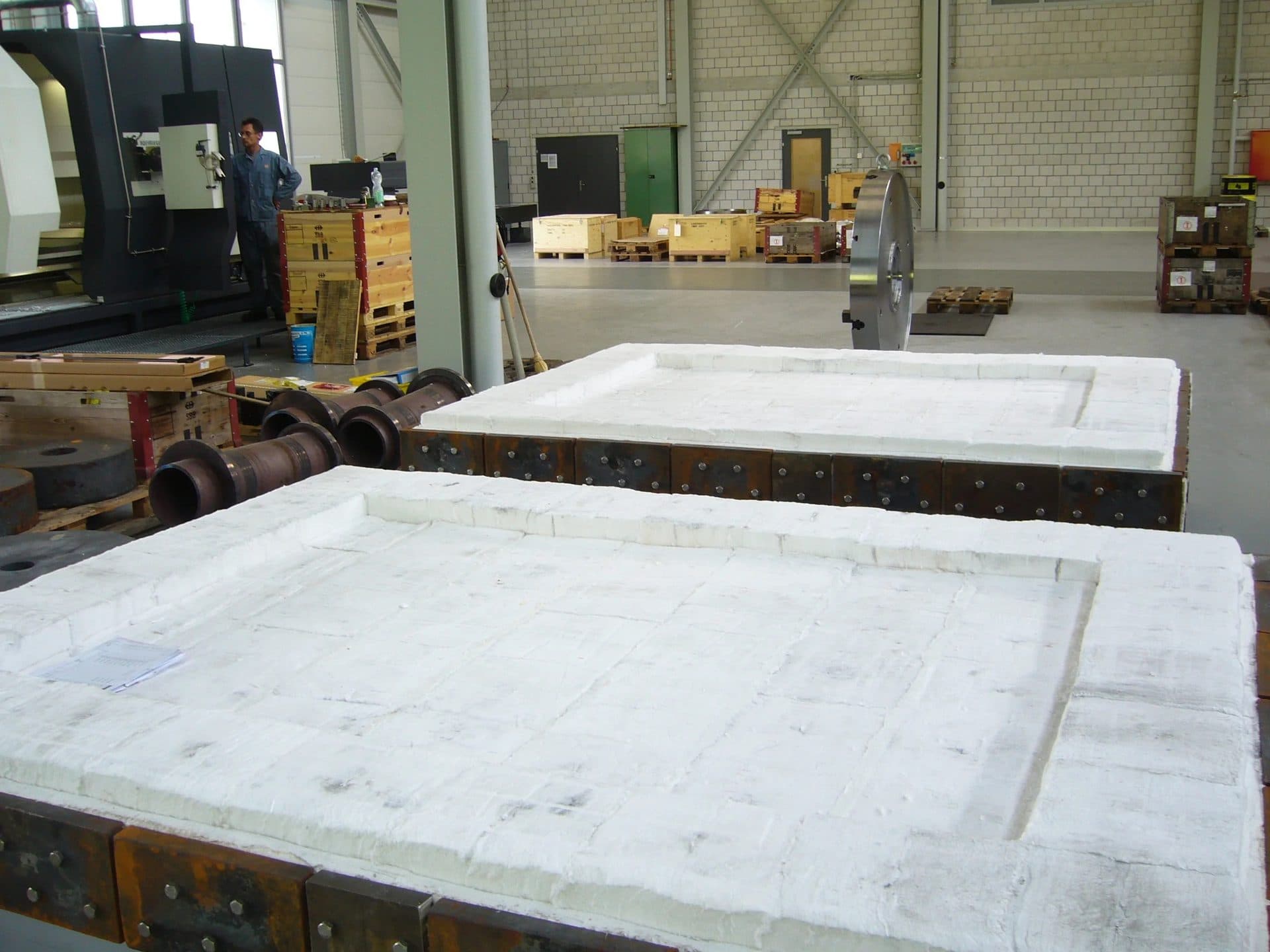
During the overhaul, which typically lasts 2–4 weeks, the identified wear zones are repaired or renewed. Damaged brick courses are broken out and replaced with new chrome corundum or SiC bricks. Membrane wall coatings are freshly applied after cleaning and blasting. Hoppers and transition areas receive new refractory castable linings. All work is carried out in parallel and documented without gaps.
Waste incineration plants require a strict safety concept. Before every entry, air and surface measurements for contaminants (dioxins, heavy metals) are carried out. All employees wear full PPE with respiratory protection. Contaminated demolition materials are collected separately and disposed of properly. Clearance measurements confirm that the working area is safe before it is left. Our trained safety personnel are thoroughly qualified for these working conditions.
Over 500 successfully completed refractory construction projects in the DACH region and the Benelux countries.
Waste incineration plant
Everything you need to know about the Waste incineration plant
Whether complete relining, repair or emergency — free initial consultation and a fast response.