Wird geladen...
Wird geladen...
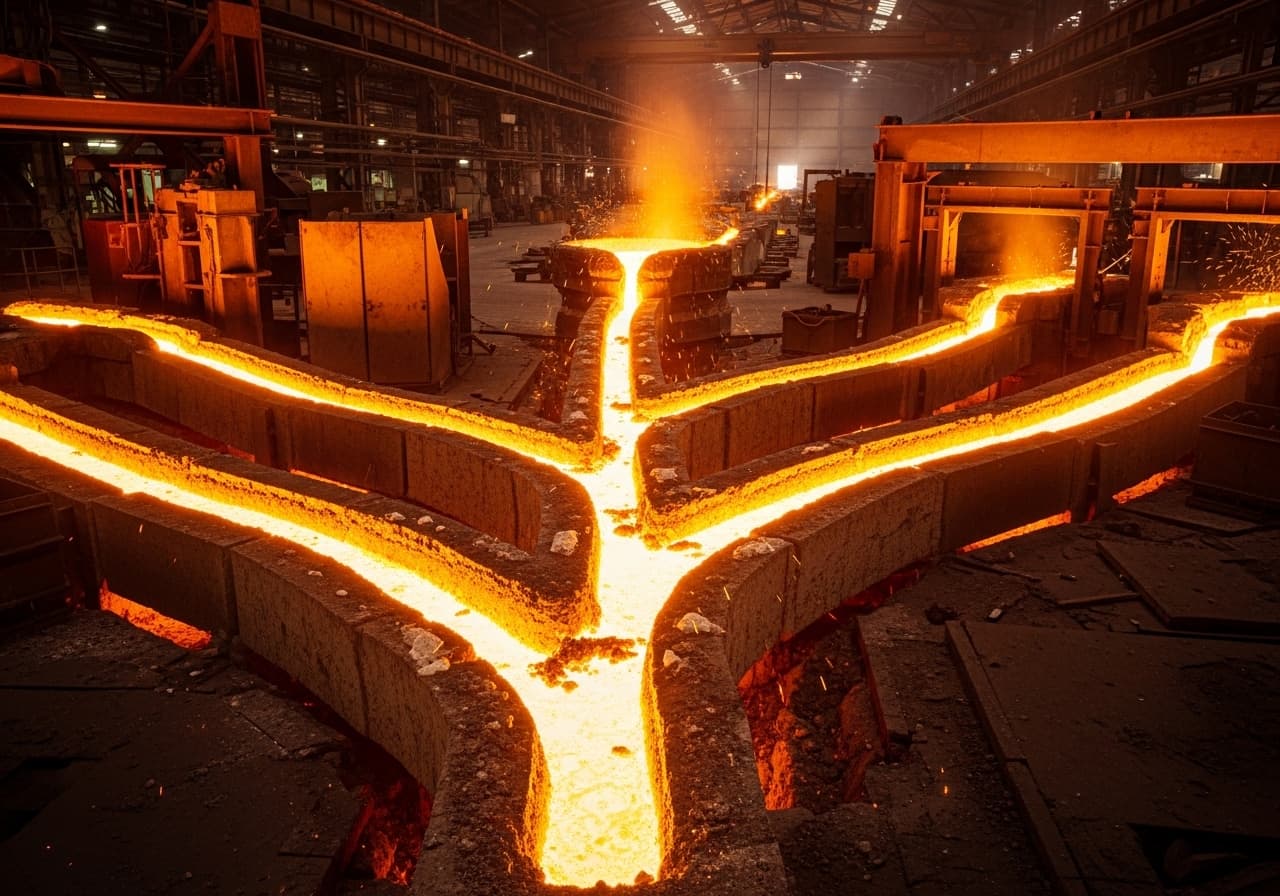
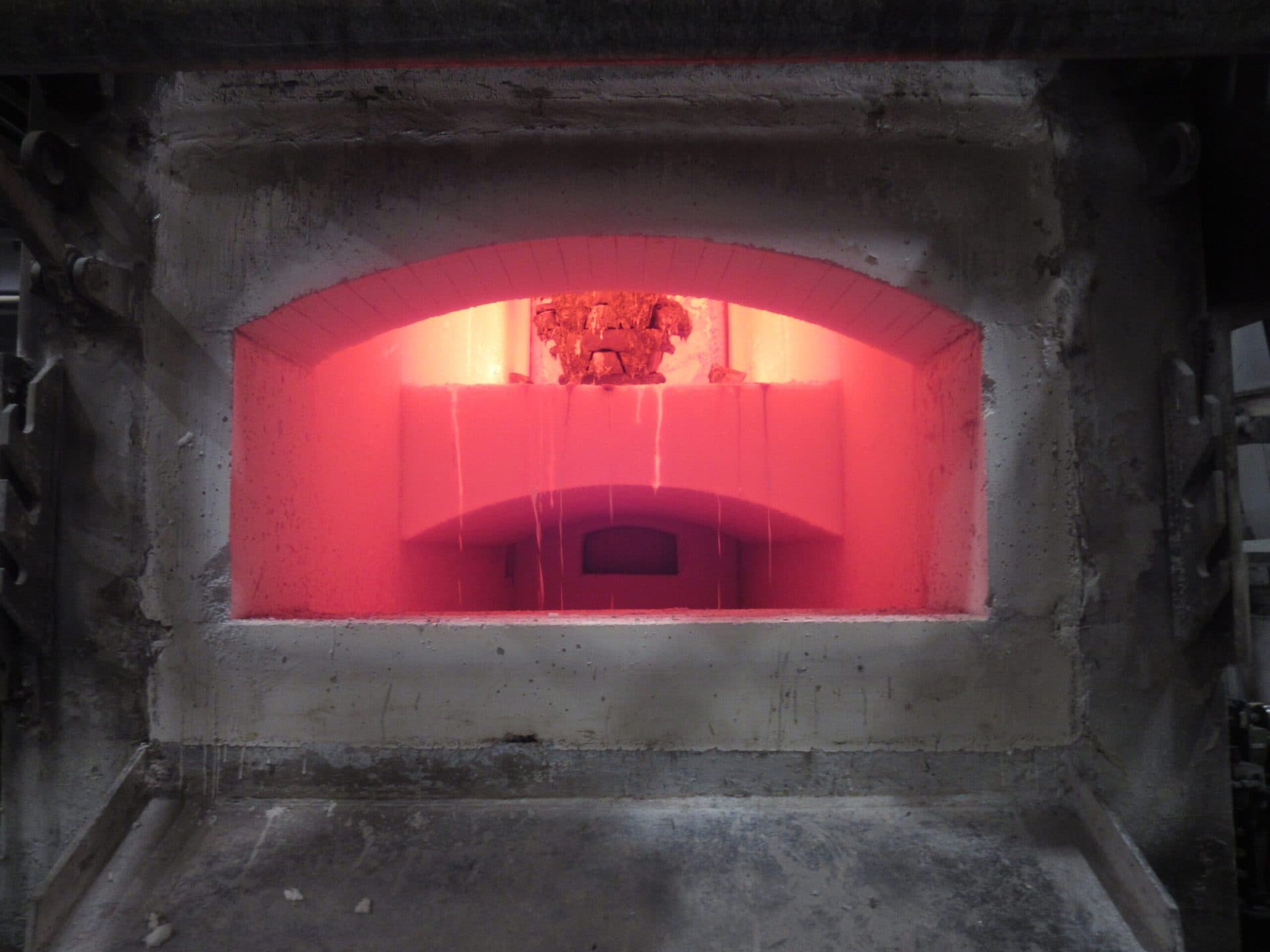
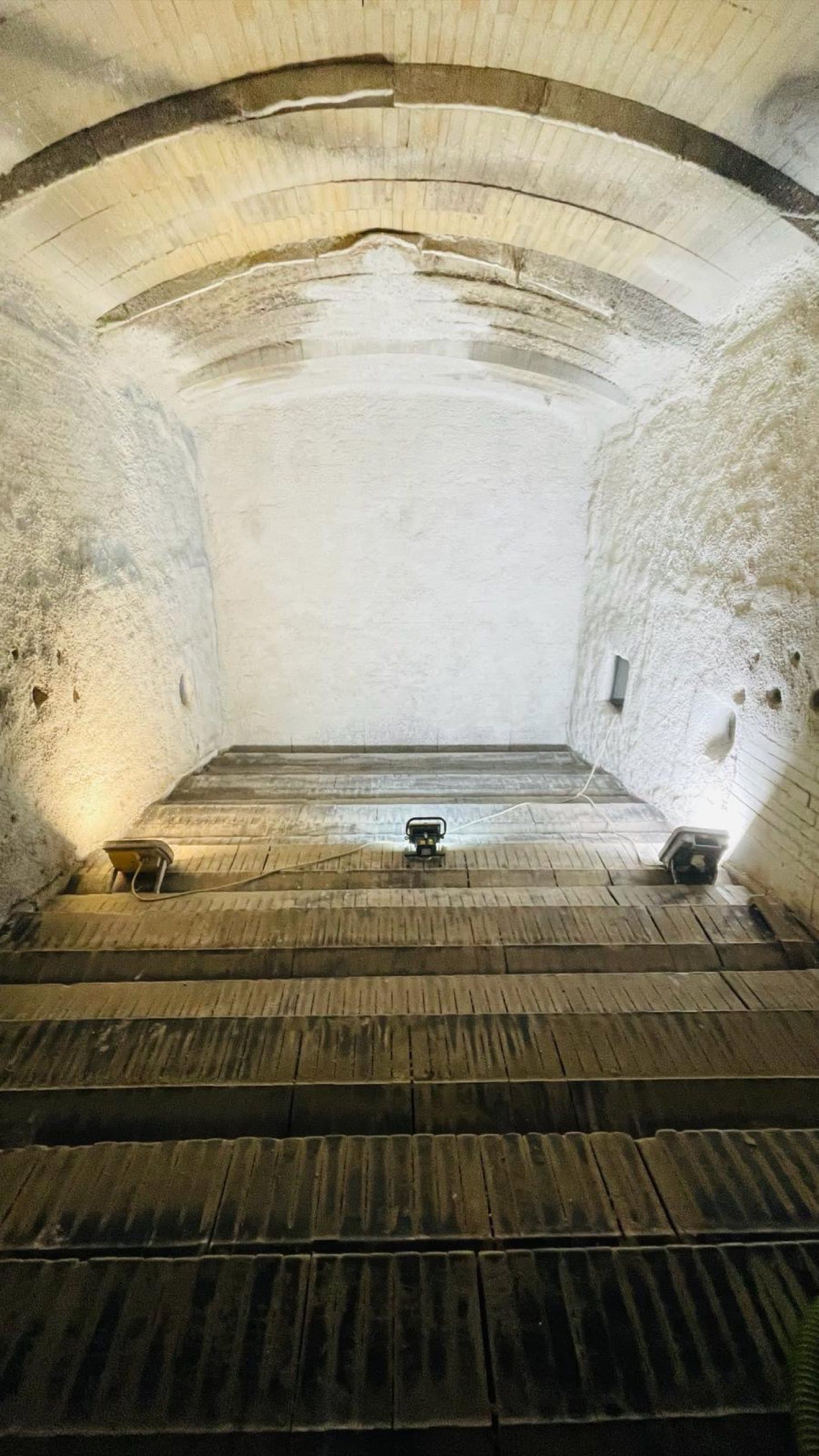
Refractory lining of distribution launders for the controlled transport of liquid metals in casting and metallurgical plants.
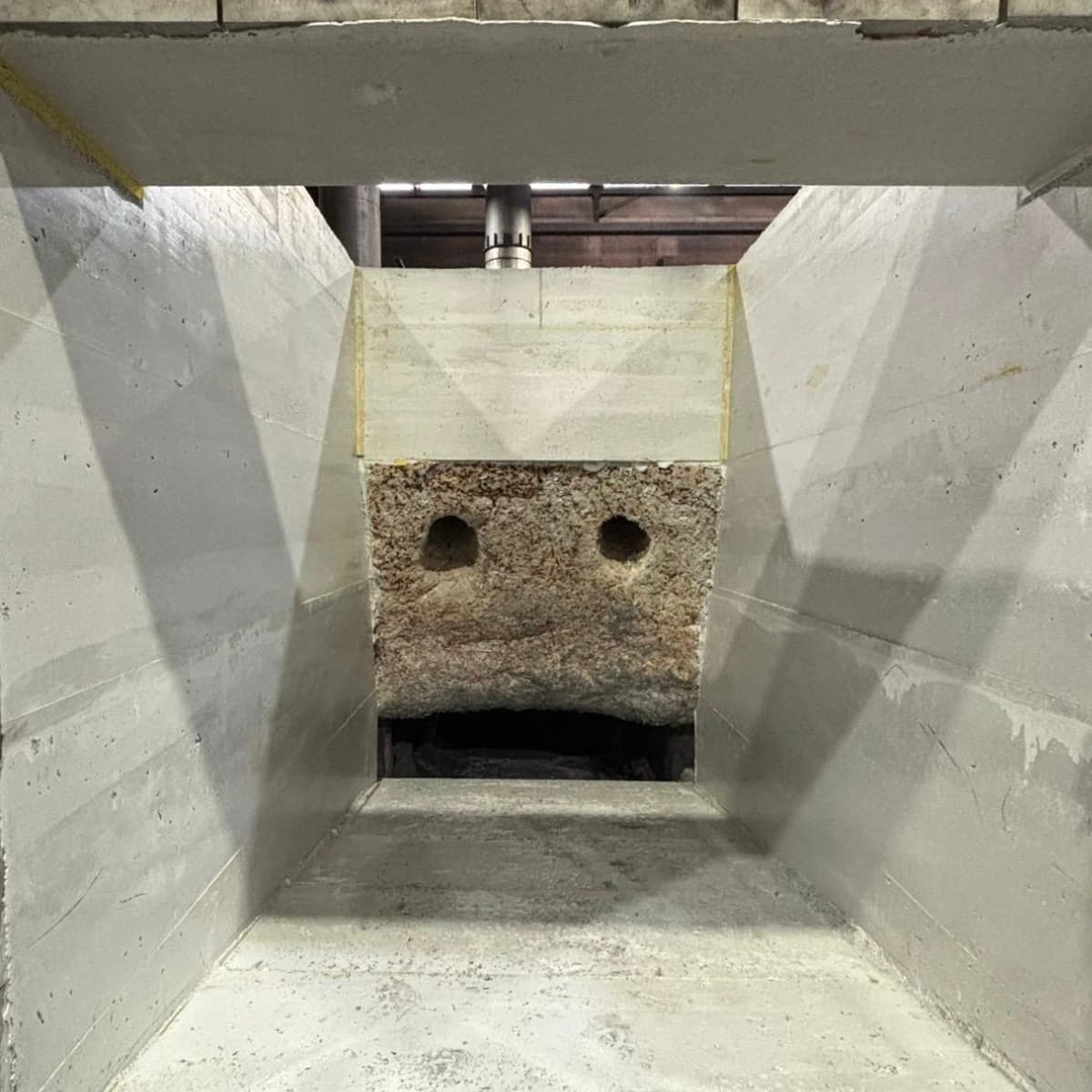
Steel structure with refractory lining forming the main transport route for the liquid metal. The launder body carries the working layer and, where applicable, an insulating and safety layer.
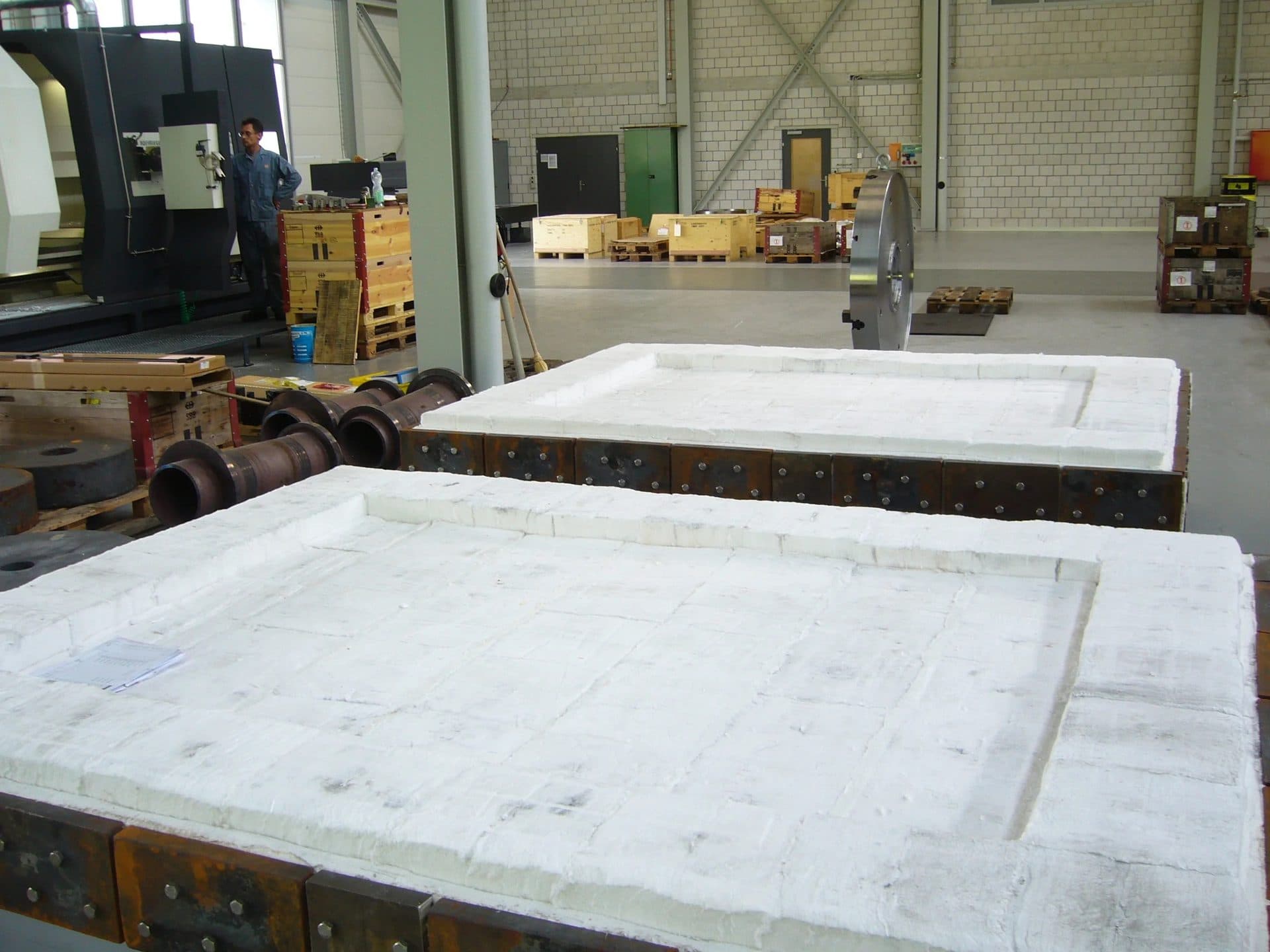
Cover over the launder to protect against heat losses and to reduce metal splashes. The covers are likewise refractory lined and allow rapid access to the launder where required.
Connecting element between different launder segments or between the furnace and the main launder. The transition areas are exposed to particularly high erosion and require wear-resistant materials.
Internals of refractory ceramic that separate the metal stream from the slag. Dams exploit the difference in density between metal and slag and are essential for product quality.
Refractory protective layer between the working lining and the steel shell. It prevents a metal breakthrough once the working layer is worn and provides an additional safety reserve.
Distribution launders are indispensable elements in casting and metallurgical plants, ensuring the controlled transport of liquid metal from the furnace to further processing. The refractory lining of these launders must permanently withstand extreme temperatures, chemical corrosion and mechanical erosion. SBS Refractory Service is your experienced partner for the lining, repair and maintenance of distribution launders in the steel and non-ferrous metal industry.
The challenges of refractory construction for distribution launders are manifold: depending on the metal being transported — whether hot metal from the blast furnace, liquid steel or aluminium — materials and design have to be matched precisely to the chemical and thermal loads. Our specialists have mastered all common launder designs, from monolithic castable through rammed linings to prefabricated launder elements for a rapid exchange.
In economic terms, distribution launders are a critical point in the production process: a launder failure can lead to an uncontrolled discharge of metal and bring the entire production flow to a standstill. SBS Refractory Service therefore relies on preventive maintenance concepts, regular wear inspections and the use of proven refractory materials in order to guarantee maximum operational safety and minimum downtime.
These loads determine the choice of material and the design of the refractory lining.
The continuous flow of liquid metal generates severe mechanical erosion of the launder lining — in particular at bends, transitions and inclined sections where the flow velocity is increased.
Aggressive slags and liquid metal can penetrate pores and cracks in the lining. This infiltration weakens the refractory structure and can lead to spalling on cooling.
Distribution launders are exposed to severe temperature swings — from preheating through full operation to cooling during shutdowns. These cycles cause cracking and accelerate wear.
Launders with branches, transitions and slag dams require a dimensionally accurate lining. An uneven lining can lead to local weak points and premature failure.
Distribution launders are often installed in confined areas and are difficult to access. Repairs frequently have to be carried out under time pressure and in an awkward working posture.
Every zone of your furnace places its own demands on temperature resistance, chemical resistance and mechanical load capacity. We select the optimum material combination.
Click on a material for details
Main lining of the launder in contact with liquid metal
Prefabricated launder elements and repair work
Our services for this furnace type — from complete relining to ongoing maintenance.
Our structured process guarantees quality, on-time delivery and safety in every project.
Inspection of the launder lining for erosion, cracking and metal infiltration.
Definition of the repair scope and selection of the appropriate launder mix.
Break-out and reapplication of the launder mix or exchange of prefabricated launder elements.
Protection against uncontrolled metal discharge, cordoning off the launder area during the work.
The systematic inspection comprises a visual examination of the entire launder lining, measurement of the residual wear thickness at defined measuring points and a check for metal infiltration. Particular attention is paid to transitions, bends and slag dams, which experience shows to exhibit the highest wear. The findings are documented photographically and in writing.
On the basis of the inspection findings, a decision is taken as to whether a local repair is sufficient or a complete renewal is required. In selecting the material we take into account the metal being transported, the slag composition and the desired service life. Prefabricated launder elements are made available on time where required, in order to minimise downtime.
For a complete renewal, the spent lining is broken out by machine or by hand. The new launder mix is then installed — depending on the system as a casting, ramming or vibration mix. Alternatively, prefabricated launder elements are used, which allow a considerably faster exchange. Once lined, a controlled drying and preheating programme is carried out.
Throughout all work on distribution launders the work area is cordoned off and secured. Before break-out, complete cooling of the launder is verified. During relining, the safety layer is checked for integrity. All transitions and connections are checked for tightness before commissioning. Emergency plans for uncontrolled metal discharge are kept on standby.
Over 500 successfully completed refractory construction projects in the DACH region and the Benelux countries.
Distribution launders
Everything you need to know about the Distribution launders
Whether complete relining, repair or emergency — free initial consultation and a fast response.