Wird geladen...
Wird geladen...
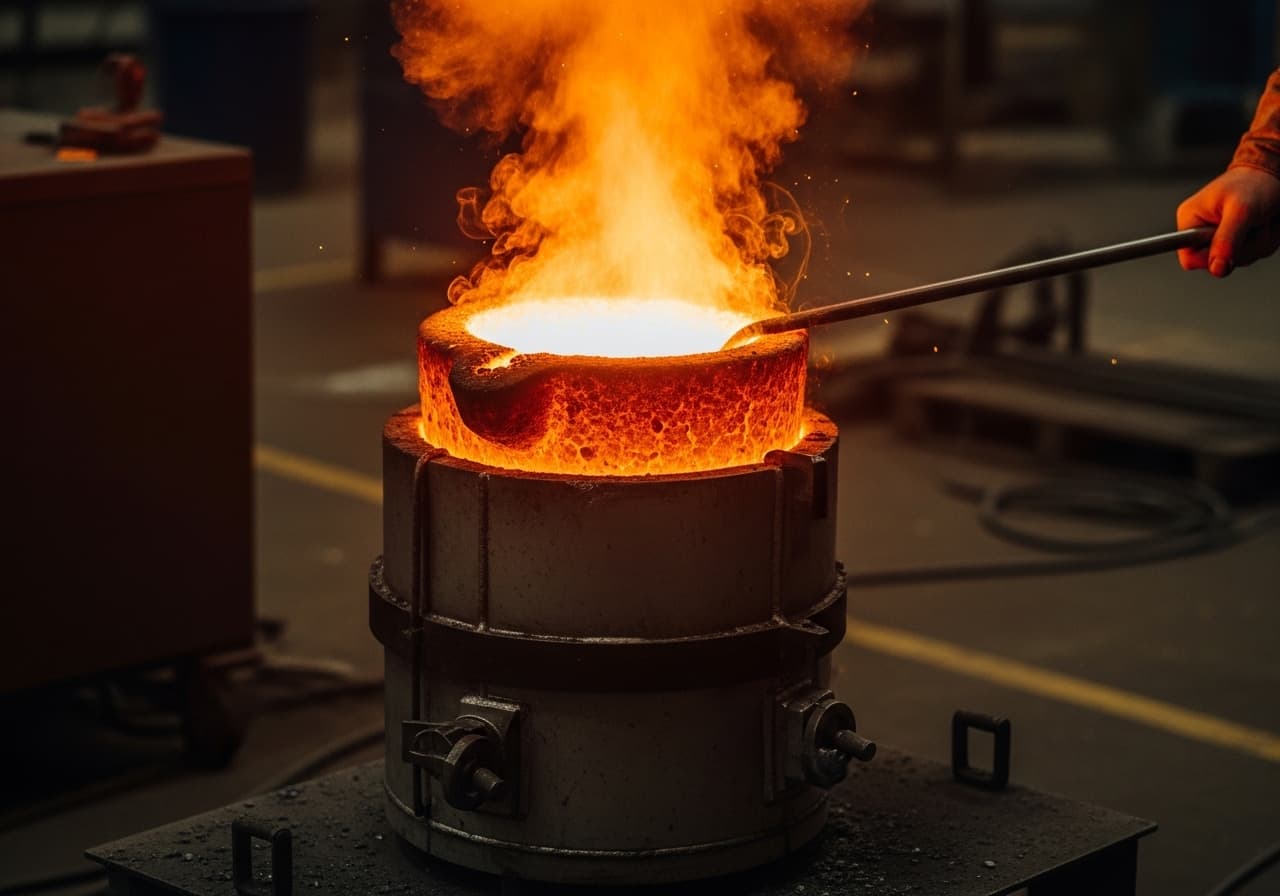
Refractory lining and maintenance of crucible furnaces for melting and laboratory applications.
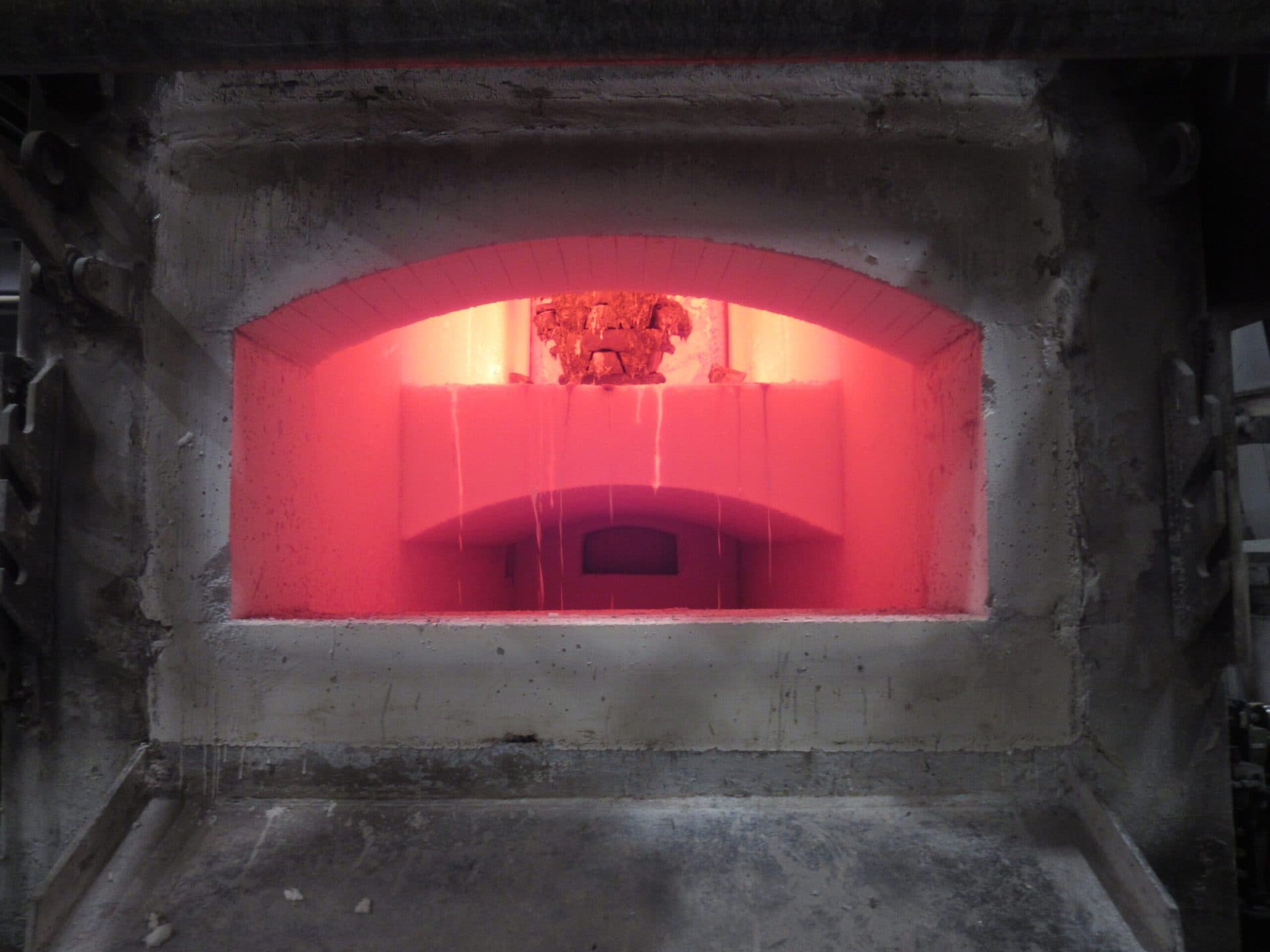
The crucible is the central component of the crucible furnace and is in direct contact with the metal melt. Depending on the application, clay-graphite crucibles, ceramic crucibles or steel crucibles with a refractory lining are used. Crucible quality determines melt purity, service life and operational safety. SBS advises on the optimal crucible selection independently of any manufacturer and carries out professional installation including drying and conditioning.
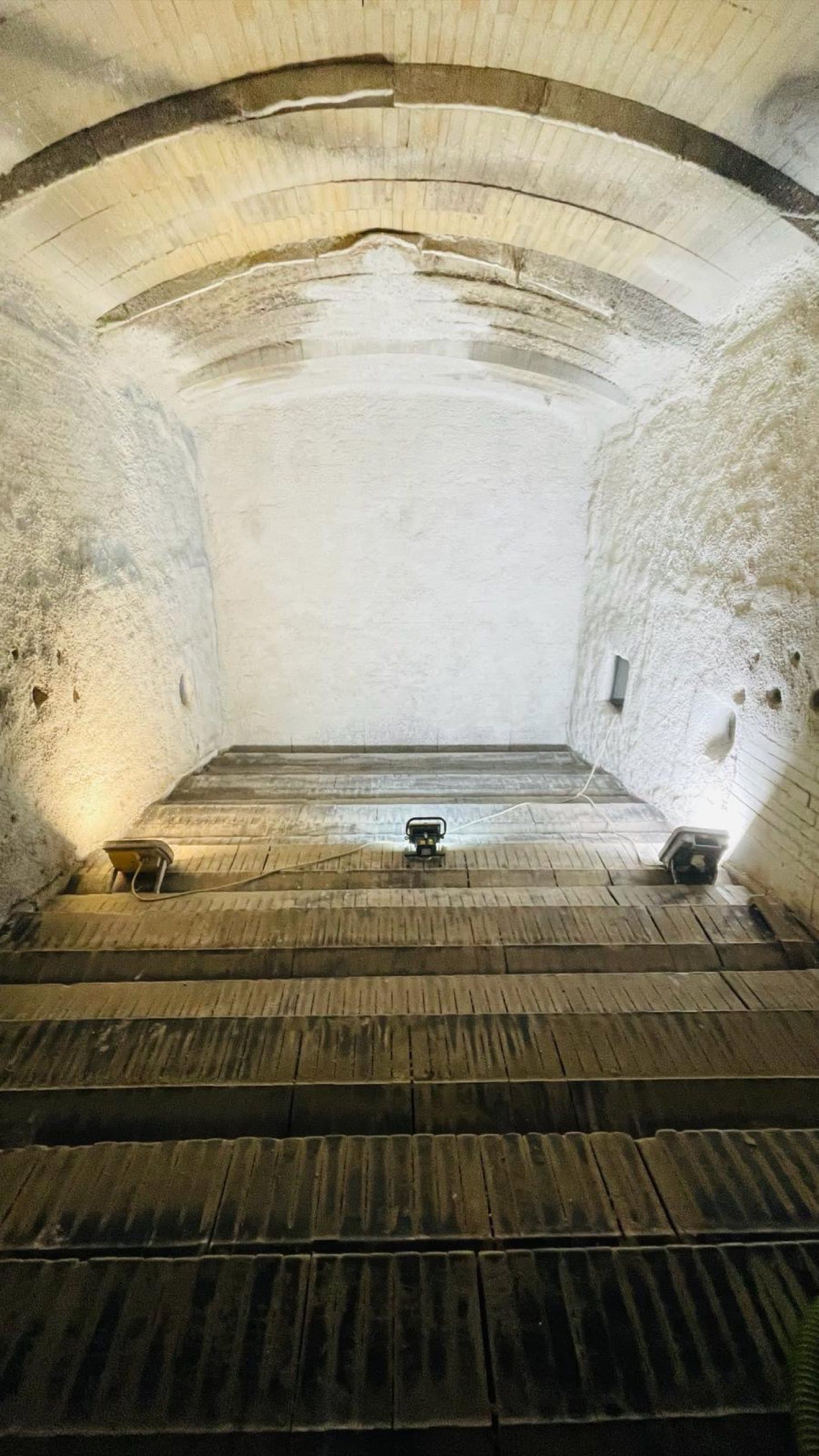
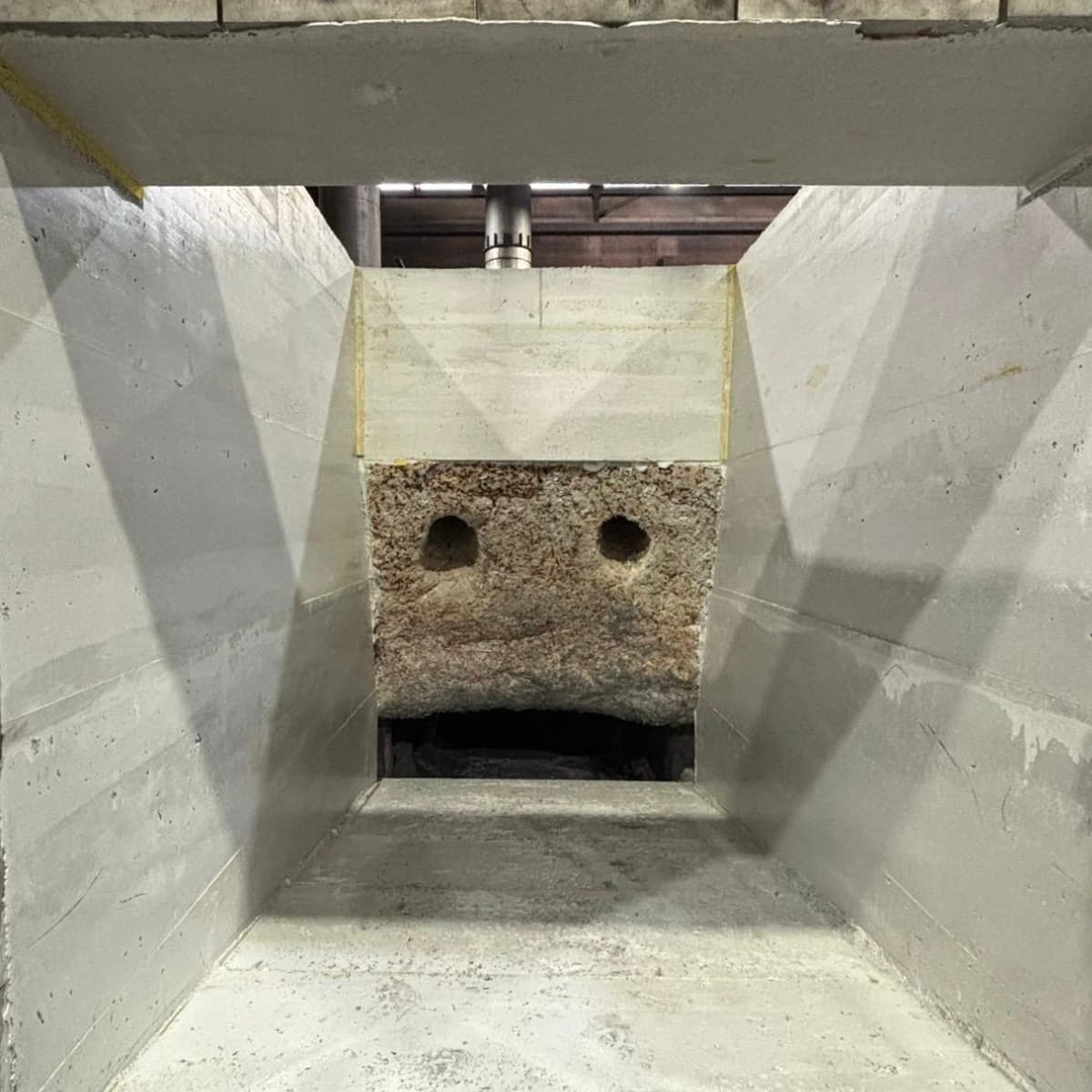
The steel furnace shell encloses the crucible and the insulation and forms the load-bearing structure of the furnace. Between the crucible and the shell lies an insulating layer of special insulating mix or ceramic fibre, which minimises heat loss and acts as a safety barrier in the event of crucible rupture. SBS checks the shell regularly for deformation and corrosion and renews the insulating layer at every crucible change.
The furnace lid closes off the crucible furnace at the top and reduces heat losses and oxidation of the melt. It is under high thermal load and is insulated with ceramic fibre or a lightweight refractory lining. The lid must be checked regularly for cracks and wear, since damage leads to increased energy consumption and metal oxidation.
The tilting mechanism allows the melt to be poured from the crucible furnace under control. The mechanical tilting device must function reliably even with full crucibles and allow precise dosing. SBS checks the refractory components in the area of the tilting axis and the pouring spout, which are particularly loaded by the flow of metal.
Heating is provided by gas burners that flow around the crucible from the outside, or by an inductor that generates electromagnetic fields. The burner blocks and the burner chamber are exposed to extreme thermal loading and must be made of highly refractory materials. On induction furnaces, the electrical insulation between the inductor coil and the crucible is safety-critical and is checked at every crucible change.
The crucible furnace is one of the most versatile melting units in metallurgy and laboratory practice. Whether gas-fired or induction-heated, whether for aluminium, copper, zinc or precious metals — the refractory crucible forms the heart of the furnace and largely determines melt quality, operational safety and cost-effectiveness. SBS Refractory Service is your experienced partner for the professional selection, installation and maintenance of crucibles and furnace linings in crucible furnaces of every size. Our specialists advise you independently of any manufacturer on the choice of the optimal crucible material — matched to the metal you melt, your method of heating and your operating requirements.
The strain placed on the crucible in melting operations is complex: liquid metal attacks the inner crucible wall chemically, cyclic thermal loading from batch operation generates micro-cracks, and mechanical impact when charging with ingots or scrap can lead to a loss of wall thickness or to crucible rupture. Crucible rupture is one of the most dangerous scenarios in melting operations — escaping liquid metal can cause explosions if it comes into contact with moisture. SBS relies on a multi-stage safety concept with regular wall thickness measurement, crucible rupture containment and a preventive crucible change strategy that maximises the operational safety of your plant.
Economically optimised crucible operation requires the right balance between crucible quality, change interval and operating practice. SBS analyses your melting operation, documents the wear progression of your crucibles and develops a tailored maintenance strategy that minimises crucible costs, downtime and safety risks. After every crucible change we prepare documentation with an installation record, a drying curve and recommendations for optimal operating practice. Our 24/7 emergency service ensures rapid assistance in the event of unexpected crucible failure or an acute risk of breakthrough.
These loads determine the choice of material and the design of the refractory lining.
Crucible rupture is one of the most dangerous scenarios in melting operations. Escaping liquid metal can cause steam explosions on contact with moisture or cooling water, destroying plant and endangering lives. Regular wall thickness measurements, visual inspections for cracking and a timely preventive crucible change are vital. SBS installs crucible rupture containment and recommends binding change intervals based on the metal being melted and the mode of operation.
Every melt attacks the crucible in a different way: aluminium infiltrates the pore structure and forms corundum, copper and bronze erode the crucible wall through convection currents, and high-purity melts require inert crucible materials that release no impurities. SBS selects the crucible material specifically according to the metal being melted — clay-graphite crucibles for non-ferrous metals, ceramic crucibles for high-purity applications, steel crucibles with a refractory lining for special applications.
In batch operation the crucible is briefly cooled with every charge and then brought back up to melting temperature. These cyclic temperature swings of several hundred degrees generate thermal shock stresses that lead to micro-cracks and progressive material failure. Slow preheating of cold crucibles and the avoidance of extreme temperature jumps considerably extend crucible service life.
Charging the crucible furnace with ingots, returns or scrap places a mechanical load on the crucible wall. Impact loading from dropping in heavy pieces of metal can cause local damage or cracks. SBS recommends an adapted charging technique that minimises mechanical impact, as well as the use of crucibles with increased impact strength for operation with coarse feedstock.
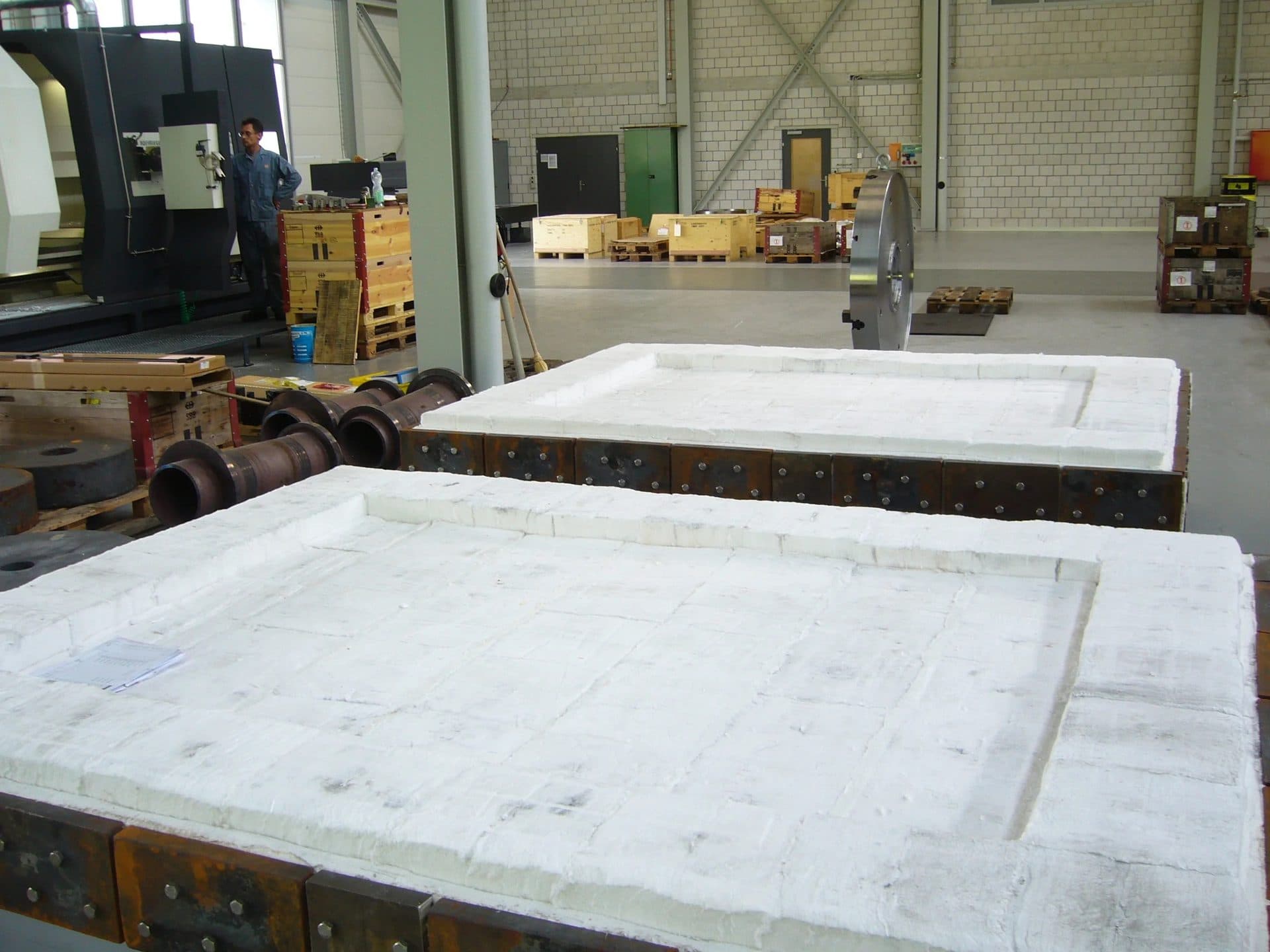
The insulation between the crucible and the steel shell of the crucible furnace must minimise heat transfer while at the same time holding the crucible firmly in place and serving as a containment layer in the event of crucible rupture. Inadequate insulation leads to increased energy consumption and high surface temperatures on the furnace shell. SBS uses specially matched insulating mixes that are optimised thermally, mechanically and in terms of safety.
Every zone of your furnace places its own demands on temperature resistance, chemical resistance and mechanical load capacity. We select the optimum material combination.
Click on a material for details
Melting of non-ferrous metals (aluminium, copper, zinc)
High-purity melting processes and laboratory applications
Furnace shell insulation between crucible and steel shell
Our services for this furnace type — from complete relining to ongoing maintenance.
Our structured process guarantees quality, on-time delivery and safety in every project.
Inspection of the crucible for cracks, erosion and loss of wall thickness
Selecting the crucible material to suit the melt and the mode of operation
Crucible replacement or repair of the furnace insulation
Crucible rupture containment, avoidance of contact between metal and water
Our refractory specialists carry out a thorough condition analysis of the crucible and the furnace lining. This includes visual inspection of the inner crucible wall for cracks, signs of erosion and changes in the glaze, measurement of the residual wall thickness by ultrasound, and examination of the insulation between the crucible and the furnace shell. Particular attention is paid to the slag line and the bottom area, which experience shows to exhibit the heaviest wear. On the basis of the inspection data we prepare a recommendation for the optimal time to change the crucible.
During the planning phase we select the optimal crucible material for your specific application. The decisive factors are the metal being melted and its alloy composition, the method of heating (gas or induction), the batch size and frequency, and the requirements placed on melt purity. We advise independently of any manufacturer and recommend the crucible type that offers the best balance of service life, melt quality and cost-effectiveness. The supply and stockholding of replacement crucibles can be organised under a framework agreement.
Execution comprises the professional removal of the worn crucible, the inspection and, where necessary, repair of the furnace shell and the insulation, the installation of the new crucible with fresh insulating mix, and controlled drying in accordance with a defined heat-up programme. Cold crucibles have to be brought up to operating temperature slowly and evenly in order to avoid thermal shock cracks. SBS documents every crucible change with an installation record, a drying curve and photographic documentation.
Safety comes first in crucible operation. SBS installs crucible rupture containment which, in the event of crucible failure, catches escaping metal and prevents it from spreading uncontrolled. All areas in the vicinity of the crucible furnace are checked for sources of moisture — water and liquid metal are a lethal combination. Our employees are trained in handling metal melts and work in strict compliance with SCC safety standards and the applicable accident prevention regulations.
Over 500 successfully completed refractory construction projects in the DACH region and the Benelux countries.
Crucible furnace
Everything you need to know about the Crucible furnace
Whether complete relining, repair or emergency — free initial consultation and a fast response.