Wird geladen...
Wird geladen...
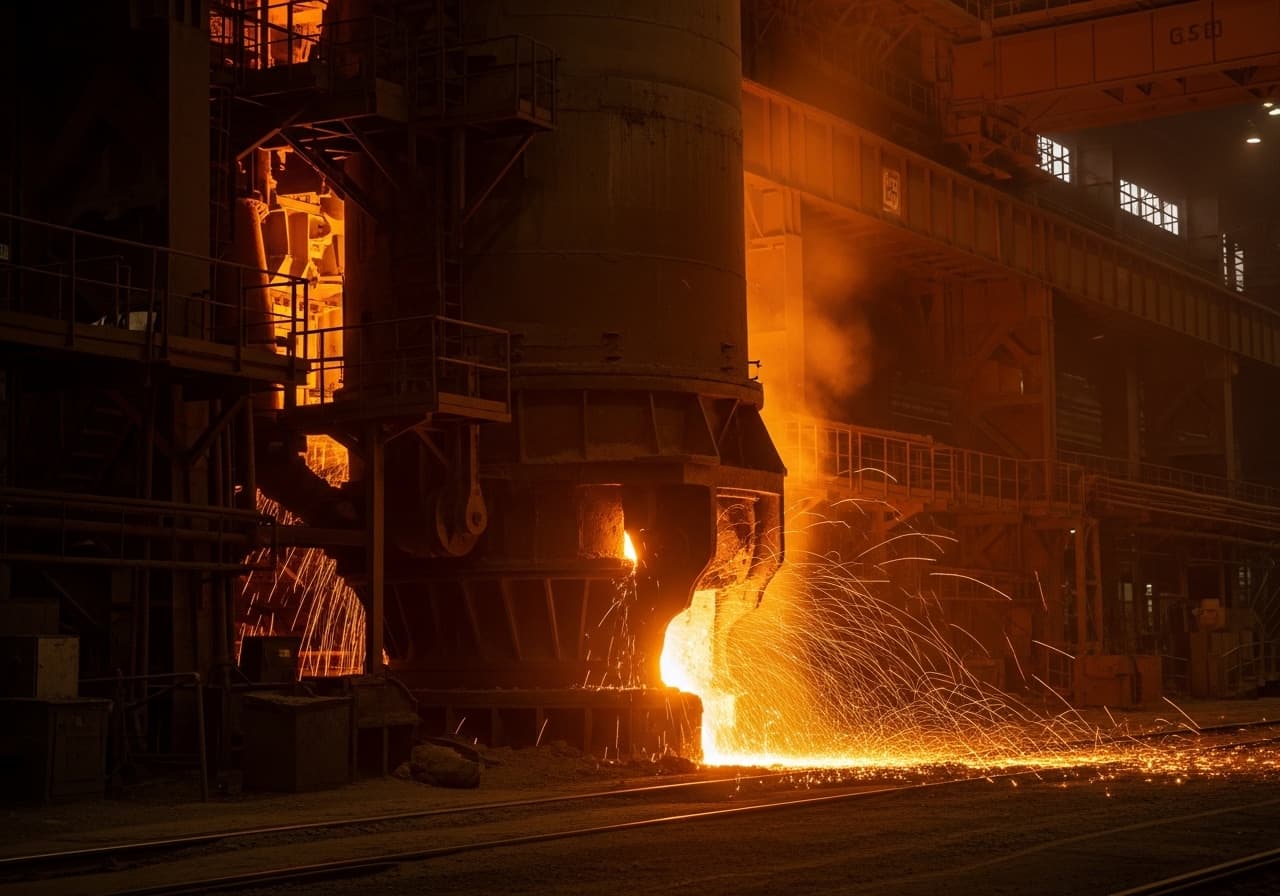
Refractory lining and major repairs on blast furnaces for pig iron production.
Lowest section of the blast furnace, in which liquid pig iron and slag collect. Lined with highly conductive carbon bricks and ceramic cup bricks. The cooling systems must dissipate the extreme heat load.
Conical transition zone between the belly and the hearth. This is where the iron ore burden begins to melt. The lining consists of carbon or SiC bricks and is heavily loaded by slag attack and abrasion.
Widest diameter of the blast furnace. Zone with the highest thermal load from the combustion of the coke. Lined with carbon or graphite bricks with copper cooling plates.
Upper conical section in which the charge materials are preheated and pre-reduced. Lining of high-alumina or SiC bricks, heavily loaded by burden abrasion and alkali attack.
Upper closure of the blast furnace with the charging device. This is where ore, coke and fluxes are charged. The refractory lining protects against abrasion and moderate temperatures.
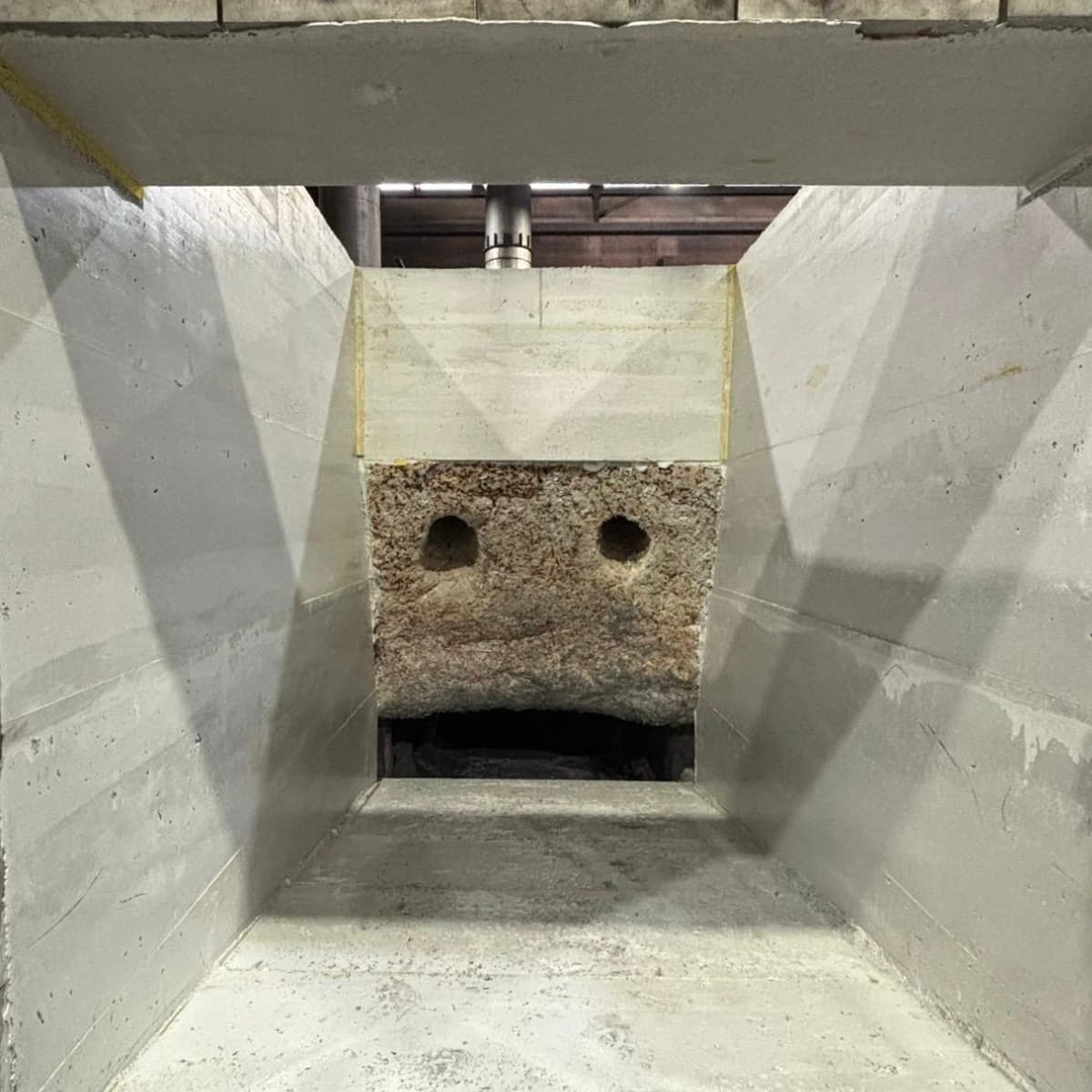
Runner for transporting liquid pig iron and slag from the blast furnace to the torpedo car or ladle car. Lined with high-alumina castable and carbon bricks.
Nozzles for the hot blast supply in the hearth area. They consist of water-cooled copper with a refractory surround. Extremely highly loaded thermally and mechanically by direct contact with the combustion zone.
The blast furnace is the largest and most complex unit in the iron and steel industry. With operating temperatures of up to 2,100 °C in the hearth area and campaign lives of 15 to 20 years, the refractory lining places extreme demands on material, planning and execution. SBS Refractory Service GmbH supports blast furnace operators during complete relinings and major repairs as an experienced refractory construction partner with comprehensive project responsibility.
The refractory lining of a blast furnace consists of several material zones that are matched precisely to the respective thermal, chemical and mechanical loads. Highly conductive carbon bricks are used in the hearth area, and high-alumina bricks with optimised abrasion resistance in the stack. SBS has the expertise for material selection, laying plans and quality assurance across all refractory zones — from the hearth bottom to the top gas offtake.
A complete blast furnace relining is a major project with a construction period of several months and hundreds of skilled workers involved. SBS carries out the refractory work within the overall shutdown planning and coordinates the on-time installation of all refractory components. Our teams work under the most demanding conditions in confined spaces and at great heights — always in accordance with rigorous safety standards.
These loads determine the choice of material and the design of the refractory lining.
Temperatures of up to 2,100 °C prevail in the hearth area, with simultaneous contact with liquid pig iron and aggressive blast furnace slag. The carbon bricks must withstand these conditions for decades.
Alkaline compounds from the burden (potassium, sodium) circulate in the blast furnace and are deposited in the refractory bricks. This alkali enrichment leads to swelling and destruction of the brick structure in the stack area.
The downward movement of the charge column of ore, coke and fluxes causes permanent abrasion of the stack lining. The mechanical loads are extremely high in particular in the lower stack area and in the bosh.
A complete blast furnace relining is a major project with a construction period of several months, hundreds of skilled workers and thousands of tonnes of refractory material. On-time coordination of all trades calls for experienced project management.
Refractory work in the hearth and belly is carried out in confined, dark spaces at high residual temperatures. Special safety measures such as ventilation, gas detectors and rescue plans are absolutely essential.
Every zone of your furnace places its own demands on temperature resistance, chemical resistance and mechanical load capacity. We select the optimum material combination.
Click on a material for details
Hearth area and hearth bottom
Stack and bosh area
Our services for this furnace type — from complete relining to ongoing maintenance.
Our structured process guarantees quality, on-time delivery and safety in every project.
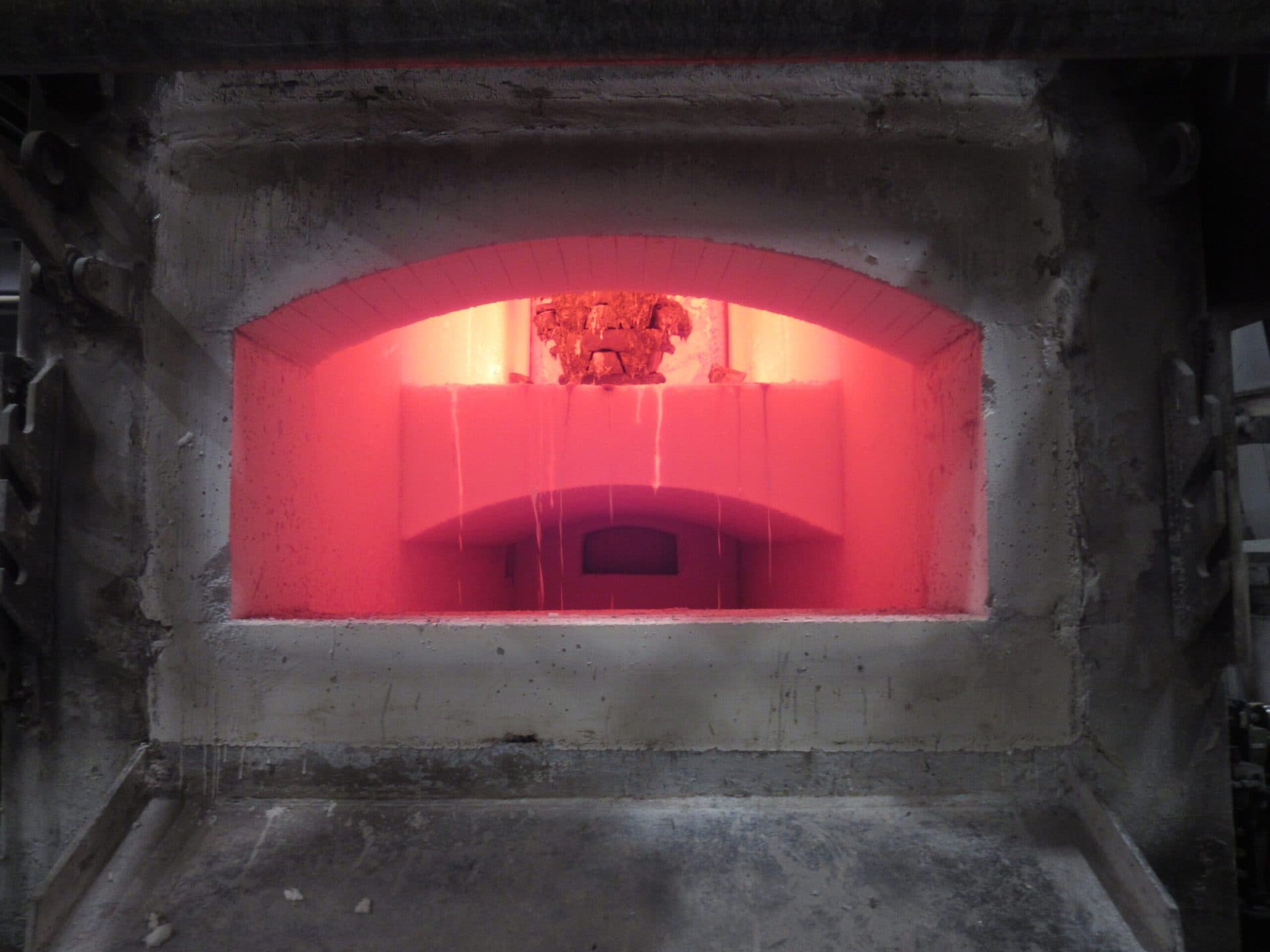
Endoscopic inspection and wear profile analysis after the blast furnace has been taken off line.
Major project planning with a detailed schedule, material ordering and manpower planning.
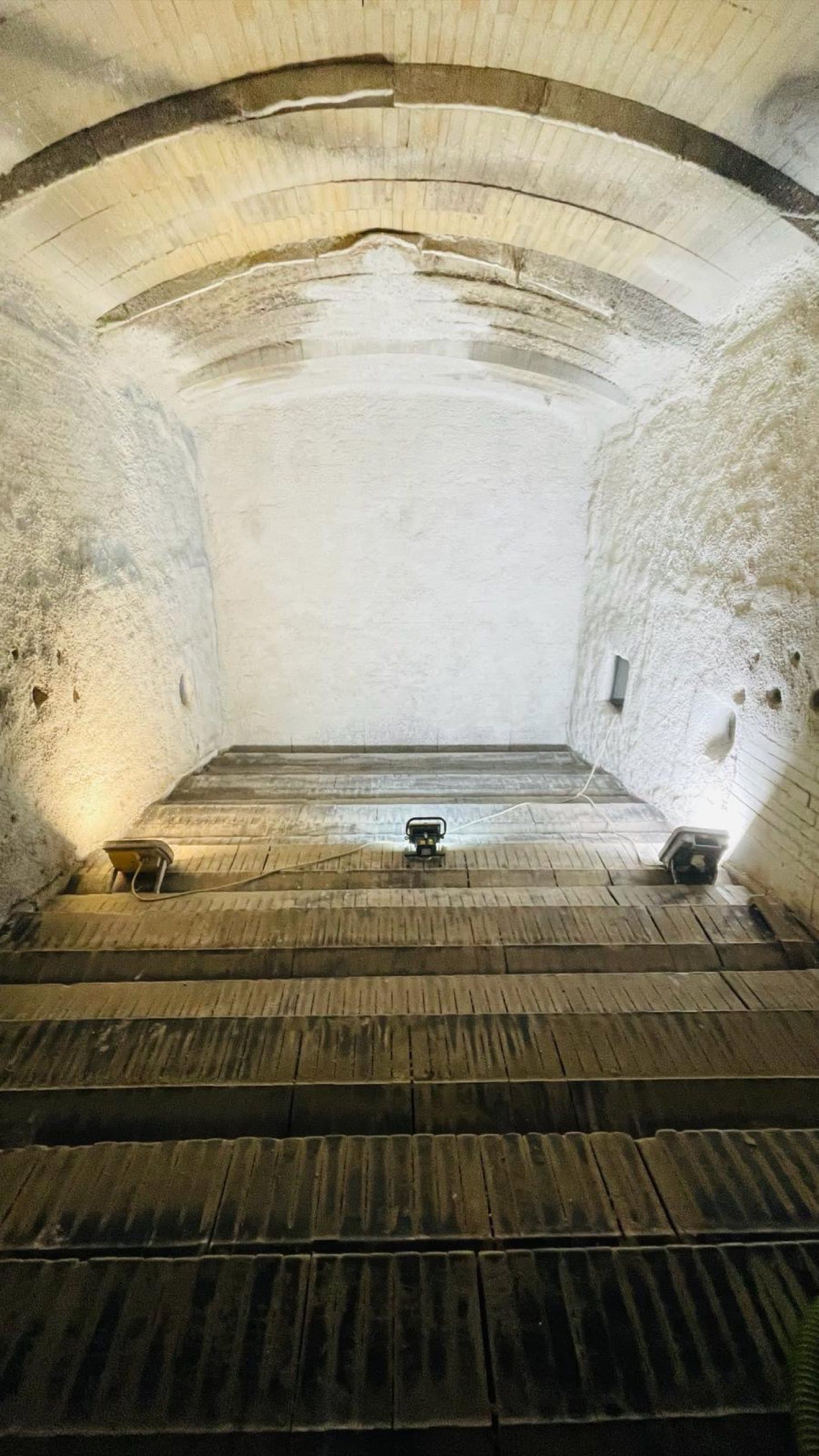
Complete demolition and relining of all refractory zones with carbon, ceramic and alumina bricks.
Extensive safety measures for hot work in confined spaces; gas detectors required.
After the controlled shutdown and cooling of the blast furnace, the comprehensive condition analysis begins. Endoscopic inspections through the tuyeres and tapholes allow a first look inside the furnace. 3D laser measurement records the wear profile of all refractory zones. Core samples are taken and analysed in the laboratory for residual thickness, infiltration and structural integrity.
Planning a complete blast furnace relining is a complex major project. Detailed laying plans are prepared for every zone, material quantities calculated and the procurement logistics coordinated. The schedule is coordinated with all trades involved. SBS prepares a comprehensive health and safety plan for the entire construction phase. Manpower planning covers several shifts with specialised refractory installers.
Mechanical demolition of the old lining begins at the furnace top and works downwards. Special machinery removes the worn bricks zone by zone. After cleaning and inspecting the steel shell, the new cooling systems are installed. The relining is carried out zone by zone from the bottom upwards: hearth bottom, hearth bricks, bosh, belly and stack. Every zone requires specific laying techniques and materials. Finally, the controlled heat-up programme follows over several weeks.
Work in the blast furnace calls for the highest level of safety precautions. Forced ventilation safeguards breathing air quality in the confined spaces. CO gas detectors are worn at all times. Rescue plans with special recovery equipment are ready for use. All employees are briefed daily and wear full PPE. Work at height requires fall protection. Coordination with other trades prevents mutual endangerment.
Over 500 successfully completed refractory construction projects in the DACH region and the Benelux countries.
Blast furnace
Everything you need to know about the Blast furnace
Whether complete relining, repair or emergency — free initial consultation and a fast response.